


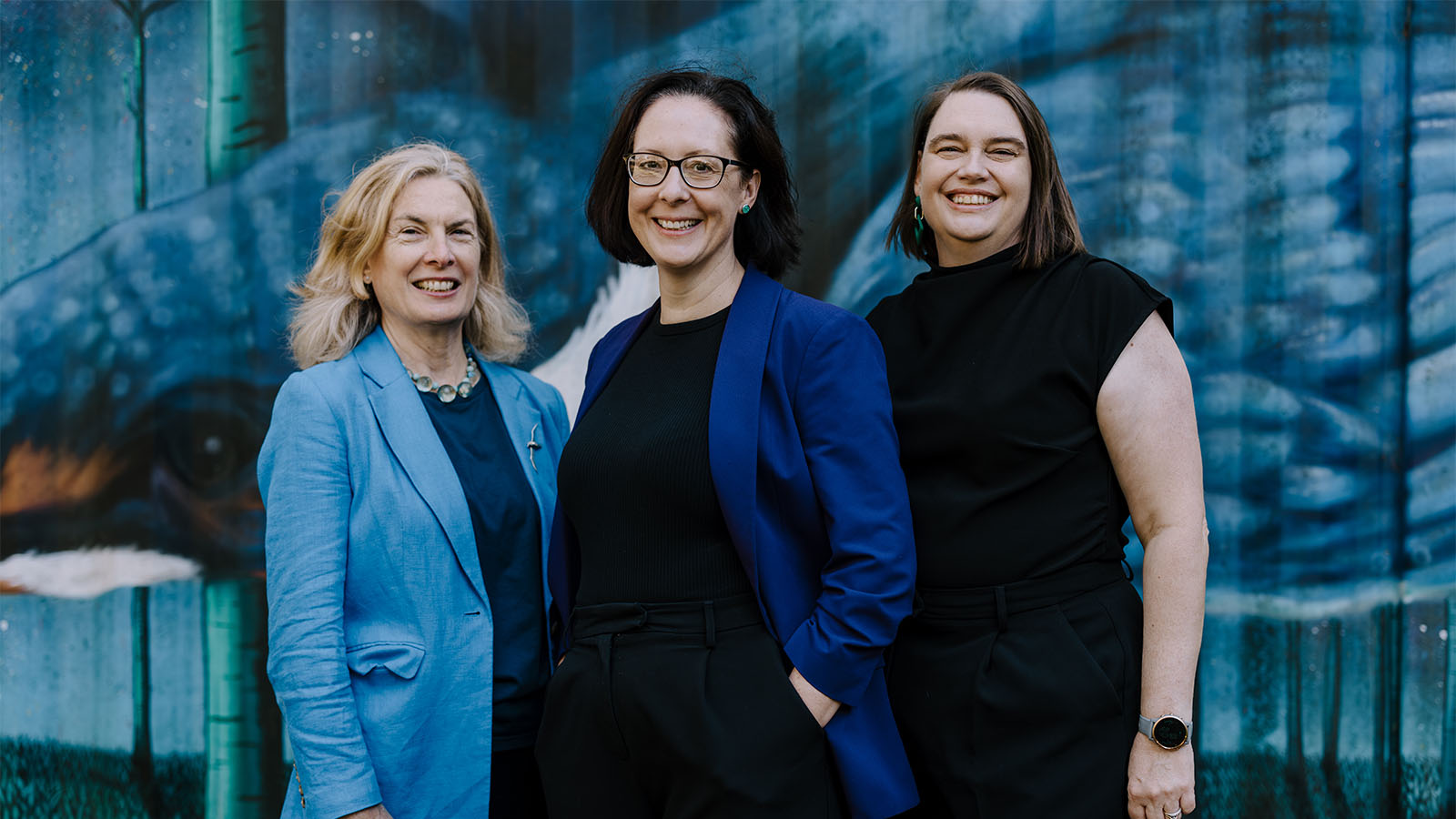
The Impact of Women in STEM: Stories from UOW
Introduction to Their Journey
Dr. Tamantha Stutchbury reflects on how her life has been profoundly shaped by her experiences at the University of Wollongong (UOW) since the 1990s. She recalls a time when computers and email were just beginning to gain traction, and the traditional method of learning involved physically attending lectures and photocopying notes.
Professional Evolution and Contributions
Over three decades, Tamantha has not only lived in Wollongong but also held various key roles within UOW, including researcher, lecturer, and currently, Director of iAccelerate, the university’s startup hub.
Being the first in her family to attend university, Tamantha pursued a Bachelor of Medicinal Chemistry (Honours) followed by a PhD. Her doctoral studies were enriched by living with peers, sharing experiences that formed lasting bonds.
During her academic ascent, Tamantha faced a predominantly male environment while focusing on developing new chemotherapy drugs, often sharing lab space with just one other female researcher amidst eight male colleagues.
A Shift in Gender Dynamics
As the late 1990s approached, a significant shift occurred at UOW, with more women enrolling in STEM fields. One particular microbiology honours cohort featured nearly two-thirds female students, highlighting the evolving landscape of higher education in those fields.
Martina Sanderson-Smith, who joined this vibrant cohort, recalls being intimidated by Tamantha, who had become a role model in her academic trajectory. Their professional relationship blossomed into a supportive mentorship, helping each other through their respective mid-career challenges.
Balancing Career and Family
Despite numerous opportunities abroad, Tamantha chose to remain in Wollongong, focusing on the commercialization of her research while balancing family life. She appreciated the hands-on nature of her work but acknowledged the struggles of contract jobs amidst raising children.
Martina’s journey took her overseas for two years with the Von Humboldt Foundation before returning to establish her family. Shortly before her parental leave, she received the news of her grant acceptance, launching her own research lab.
Building a Legacy
As time passed, both Tamantha and Martina flourished in their careers. Martina’s substantial contributions to bacterial research led her to become the Director of UOW’s Molecular Horizons research institute. Their professional journeys continue to inspire future generations of female scientists.
Their mentor, Sharon Robinson, recognized for her extensive work in Antarctic environmental science, has been a pivotal figure in fostering an inclusive academic environment. Sharon emphasizes the importance of mentorship in helping young women navigate their careers in research.
Looking Forward
All three academics are committed to mentoring the next generation of women in STEM. Tamantha aims to provide guidance to early-career researchers, emphasizing the importance of viewing experiences through the lens of skill development rather than traditional job roles.
Martina aspires to replicate the supportive environment she experienced in her own mentorship practices, ensuring that new students receive the guidance they need.
Sharon plans to innovate methods for monitoring Antarctica from afar, highlighting her dedication to climate change advocacy and the importance of nurturing emerging female leaders in research.
Conclusion
The journeys of Tamantha, Martina, and Sharon exemplify the transformative impact of strong female leadership within academia and the STEM fields. As these women continue to contribute to their disciplines, they actively shape the future of research and mentoring in their respective areas of expertise.
