


Debunking Immigration Myths in the UK
Recently, British streets have witnessed a resurgence of national flags, symbolizing a rise in nationalistic sentiment. While for some, these flags represent pride, others perceive them as tools of division, especially amidst increasing anti-immigration protests. Driven by misinformation and socio-economic challenges, opinions on immigration have polarized significantly. This article aims to clarify common misconceptions regarding immigration in the UK.
Understanding the Context
Pressure from rising living costs, combined with heightened political division and global migration crises, has amplified discussions surrounding immigration. Unfortunately, this discourse is often clouded by misinformation, leading to widespread false claims about asylum seekers and their impact on the economy.
Dispelling Common Myths
The following are some prevalent myths, along with factual clarifications:
-
Myth 1: “Immigrants take away jobs.”
Research shows that immigration has little effect on job availability for UK-born workers. In many cases, immigrants actually enhance overall employment by boosting demand for goods and services.
-
Myth 2: “Immigrants are a drain on public services.”
Analysis from the Office for Budget Responsibility (OBR) indicates that migrants contribute more in taxes than they consume in government services, leading to a net positive fiscal impact.
-
Myth 3: “Immigration increases crime.”
There is no clear evidence to suggest that immigration correlates with higher crime rates. Politicians often rely on selective data which does not accurately reflect the situation.
-
Myth 4: “Most immigrants come here illegally.”
Data from the Institute for Public Policy Research (IPPR) reveals that many individuals arriving via small boats are seeking asylum, following UK law that protects their right to apply.
-
Myth 5: “Refugees should stay in their own countries.”
Refugees often flee their countries due to war or persecution, seeking safety. Many initially seek refuge in nearby countries, with a significant percentage remaining close to their homeland.
-
Myth 6: “A person can be ‘illegal.’
Individuals fleeing danger should not be labeled as illegal immigrants. Many are asylum seekers with the right to protection, regardless of how they arrive in the UK.
The Effects of Misinformation
Emotional language and misleading narratives about immigration can fuel xenophobia, disrupt democratic discourse, and jeopardize the safety of migrant communities. The notion that immigrants are to blame for various social issues simplifies complex problems and diverts attention from systemic challenges.
Responding to Misinformation
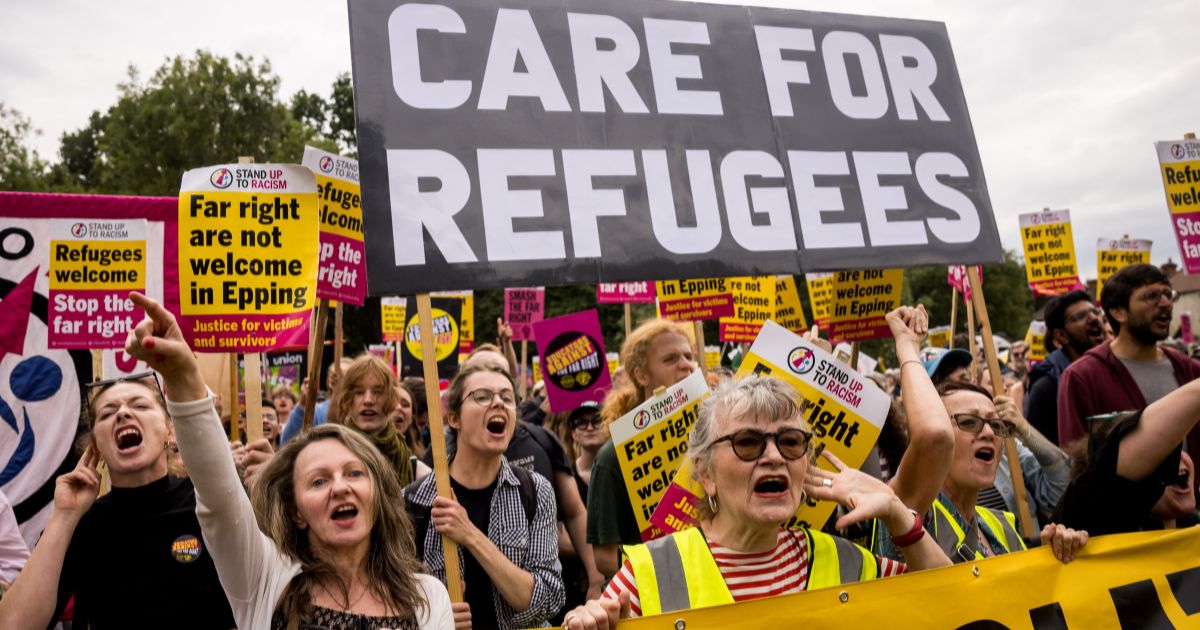
Organizations, including Stand Up To Racism, are actively challenging the harmful links drawn between women’s safety and immigration. Public figures have signed open letters denouncing these connections, emphasizing the need for a more nuanced discussion.
As ongoing debates shape the future of immigration policy in the UK, it is crucial for individuals to seek out accurate information, dispelling long-standing myths that undermine social cohesion.
