


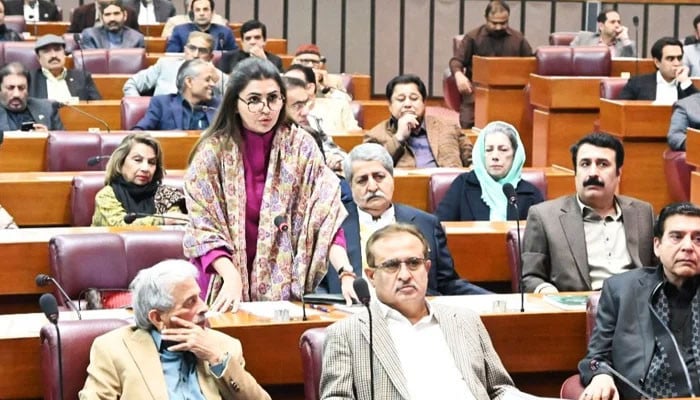
Empowering Women in Pakistan’s Political Landscape
Understanding the Landscape
In Pakistan, the struggle for women’s political representation reflects deep-seated institutional barriers. A young councilor from Sindh poignantly expressed her predicament: “There’s an invisible line I can’t cross,” highlighting the ongoing challenges women face in political arenas. Such barriers are a product of entrenched patriarchal structures and normalized exclusion.
Current Representation and Gaps
Women in Pakistan, particularly within the Global South, continue to face chronic underrepresentation in governance. Despite being pivotal to electoral processes, women’s voices are often marginalized. Existing legislation endorsing women’s participation, like the International Covenant on Civil and Political Rights and the Convention on the Elimination of All Forms of Discrimination Against Women, emphasize gender inclusivity that remains largely unfulfilled.
Although mechanisms like reserved seats in parliamentary bodies exist, they have not translated effectively into positions of power within political parties. Women constitute a significant voting bloc, yet often lack representation in the leadership of these institutions.
The Impact of Representation
A representative democracy necessitates diversity to genuinely reflect its populace. Women’s insights bring critical perspectives on essential issues such as healthcare, education, and labor rights. Data from the Free and Fair Election Network (FAFEN) indicates that while women made up only 17% of the Pakistani parliament in 2024–2025, they initiated almost half of the legislative agenda, underscoring their impact when present.
- Women initiated 55% of legislative items in the National Assembly.
- They attended sessions 75% of the time, compared to 63% for their male counterparts.
- Their legislative submissions outnumbered males by over five-fold.
Despite these notable contributions, institutional hurdles remain, with a significant decrease in the addressing of women-sponsored agenda items in recent years.
Calls for Legislative Reform
A study from the Sustainable Development Policy Institute (SDPI) revealed a lack of compliance with gender representation regulations, such as the 5% general seat nomination requirement. Notably, only five of the 19 parliamentary parties met this criterion.
Recommended reforms include amending the Elections Act to ensure at least 33% representation of women in party structures, both elected and non-elected. Such reforms would serve as foundational requirements rather than mere suggestions.
Consequences of Gatekeeping
Dr. Shahida Rehmani, secretary of the Women’s Parliamentary Caucus, articulated that weak compliance reflects systemic gatekeeping within party frameworks. This results not only in women’s underrepresentation but also in a disconnect among the 59 million registered female voters. The 2024 election saw only a 42% turnout among women, indicative of their alienation from the political process.
The Necessity of Inclusion
MNA Tahira Aurangzeb emphasized the need for women to constitute 50% of political party leadership, advocating for their essential role in effective governance and development. Women have repeatedly demonstrated their ability to lead and transform when given the opportunity.
Actionable legislative measures must be taken to mandate gender representation within political structures, thereby ensuring that women’s inclusion is a concrete reality, not a fleeting promise.
Conclusion
Women’s participation in Pakistan’s political arena is critical not just for gender equity, but also for the strength of democracy itself. As the nation moves forward, it is imperative to ensure that women are not merely present but empowered within party frameworks. Fostering genuine inclusivity is essential for holistic national progress.
