


Empowering Women in Mansa, Zambia: Overcoming Social Exclusion
Nestled near the scenic Lake Bangweulu, the town of Mansa in Zambia’s Luapula province is known for its natural beauty, including landmarks like the Mumbuluma waterfalls. Yet, behind this picturesque facade lies a pressing issue: many women struggle with social exclusion and discrimination, exacerbated by cultural stigmas.
Personal Struggles: Memory Musonda’s Journey
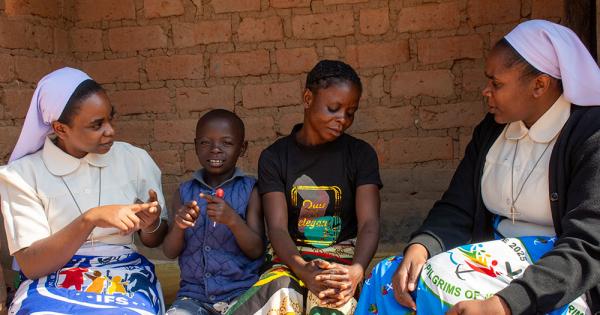
Memory Musonda, a 31-year-old mother, shares her harrowing experience as she navigated her son’s health crisis marked by sudden language regression often associated with autism. In an interview with Global Sisters Report, she described how societal beliefs regarding disabilities significantly affected her family dynamics.
“My husband believed that our child’s condition was a result of witchcraft, which led to his departure from home,” said Musonda.
The stigma surrounding such disabilities, deeply rooted in cultural beliefs, often leads to family separations and societal ostracization. Musonda’s story underscores the gender inequalities faced by women in Zambia, particularly those living in poverty with limited access to education and healthcare.
Community Challenges: Catherine Chama’s Perspective
Catherine Chama, a 54-year-old resident of Makasa village, echoes similar sentiments about social exclusion. Following her husband’s abandonment, Chama found herself as a single mother tasked with supporting an extended family, including her 15-year-old grandson who has epilepsy.
“As a single mother, I often face difficulties, and my survival over the years has largely depended on the support of well-wishers, particularly from religious sisters of the Diocese of Mansa,” Chama stated.
The Role of Support Programs
Programs aimed at social inclusion have been pivotal in providing assistance to women like Musonda and Chama. The Inclusive Family Strengthening (IFS) project, formerly managed by the Sisters of Mercy with the assistance of Catholic Relief Services (CRS), has made significant strides in empowering vulnerable families.
Launched in 2021 and concluding in 2024 due to funding constraints, the IFS project served close to 1,000 women and benefited approximately 3,000 individuals indirectly. This initiative targeted families grappling with extreme poverty, specifically those with children facing disabilities, child-headed households, and other at-risk group scenarios.
Project Achievements
- Provided essential services including rehabilitation and mental health support.
- Conducted community sensitization activities to combat stigma.
- Encouraged family reintegration, as seen in Musonda’s experience with her husband returning home.
According to Chama, the IFS project was transformative. “The IFS was a game changer as the project enabled my access to essential services with ease, and my family never lacked support,” she noted.
The Future and Ongoing Concerns
Chama raised alarms regarding the program’s termination and the impact it would have on her family, particularly her grandson’s education. Many families are now left without the necessary resources to sustain their loved ones.
A CRS performance evaluation report from 2025 highlighted the IFS project’s achievements in enhancing caregiver resilience and improving social support networks. It noted an uptick in positive parenting behaviors and better stress management skills among caregivers.
“We recorded over 200 success stories, as the project covered a lot of people, especially in rural areas,” said Sr. Ruth Kuyumba, the project’s former coordinator.
Kuyumba further emphasized the project’s contribution to fostering a supportive community environment, advocating for the incorporation of children with disabilities into local activities and emphasizing the importance of disability rights.
Conclusion
The experiences of Memory Musonda and Catherine Chama highlight the ongoing social challenges faced by women in Mansa, Zambia. While community support programs like the IFS have made significant improvements, the abrupt cessation of such initiatives poses serious challenges to the stability and well-being of vulnerable families. Continued advocacy and funding are essential to foster a more inclusive society.
