


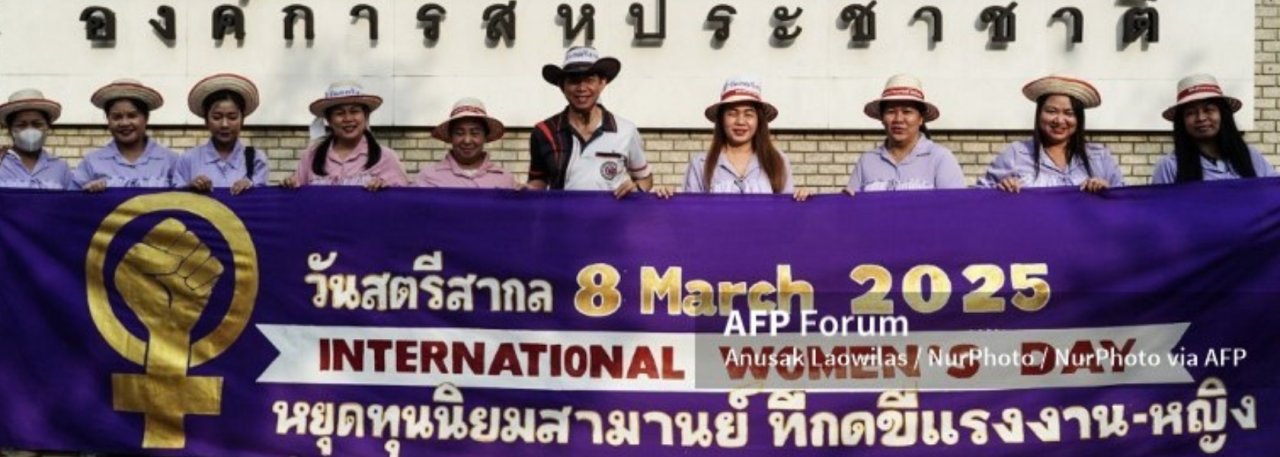
The International Federation for Human Rights (FIDH), Thai Lawyers for Human Rights (TLHR), and Freedom Bridge have expressed their support for the recent findings of the United Nations Committee on the Elimination of Discrimination against Women (CEDAW) regarding Thailand. They are calling on Thai authorities to implement these recommendations promptly, particularly concerning issues affecting women prisoners, political participation, human rights defenders, and the death penalty.
On July 7, 2025, CEDAW published its concluding observations on Thailand after reviewing the country’s eighth periodic report under the Convention on the Elimination of All Forms of Discrimination against Women, submitted during a session held in Geneva on June 19, 2025. CEDAW holds state parties accountable for upholding the Convention’s provisions, including Thailand.
Concerns About Women in Detention
Among the issues highlighted by CEDAW was the situation of women in detention, who experience multiple layers of discrimination. The committee raised alarms over the excessive number of women prisoners, severe overcrowding, and inadequate mental health care. It also identified insufficient support for pregnant women and mothers within the correctional system. CEDAW’s recommendations for Thailand included improving detention conditions to meet international standards and enhancing access to health and mental health services, along with hygiene items for those pregnant or breastfeeding. Additionally, the committee advocated for non-custodial options for drug-related offenses and for incarcerated pregnant women and mothers with young children.
Death Penalty Recommendations
CEDAW expressed particular concern regarding the notable number of women on death row and the Thai government’s neglect in addressing gender-specific factors during capital trials. The committee urged Thailand to formalize gender-related considerations in capital punishment cases and clemency hearings. CEDAW’s recommendations also included taking decisive steps toward the complete abolition of the death penalty, instituting a moratorium on executions until such abolition occurs, and ratifying the Second Optional Protocol to the International Covenant on Civil and Political Rights, aimed at phasing out capital punishment.
Enhancing Women’s Political Participation
In its observations, CEDAW called attention to the underrepresentation of women in political and public life. Reports of gender-based discrimination, stereotypes, harassment, and violence—both online and offline—against women involved in politics were noted with concern. The committee recommended that Thailand establish statutory quotas for political parties to ensure balanced gender representation among candidates at national, provincial, and local levels. Furthermore, it advocated for measures to protect women in politics from gender-based violence and promote their political engagement.
Advocacy for Women Human Rights Defenders
The nurturing environment for women human rights defenders also drew CEDAW’s attention, as they have faced significant challenges, including violence, sexual harassment, and threats. In its remarks, CEDAW advised Thai authorities to foster a supportive context that enables these defenders to freely exercise their rights to expression, assembly, and association. The committee further stressed the importance of investigating and prosecuting all instances of violence and harassment directed at these advocates, while also recommending amendments to Articles 112 (“lèse-majesté”) and 116 (“sedition”) of Thailand’s Criminal Code, along with the Computer Crimes Act, to protect their participation in human rights work.
Many of the CEDAW findings echo the concerns previously raised by FIDH, TLHR, and Freedom Bridge in their joint submission to the committee. The collaborative insights reflect ongoing issues regarding prison conditions and treatment of women in Thailand, as outlined in FIDH’s annual reports.
