


The Impact of Beekeeping in the Democratic Republic of Congo
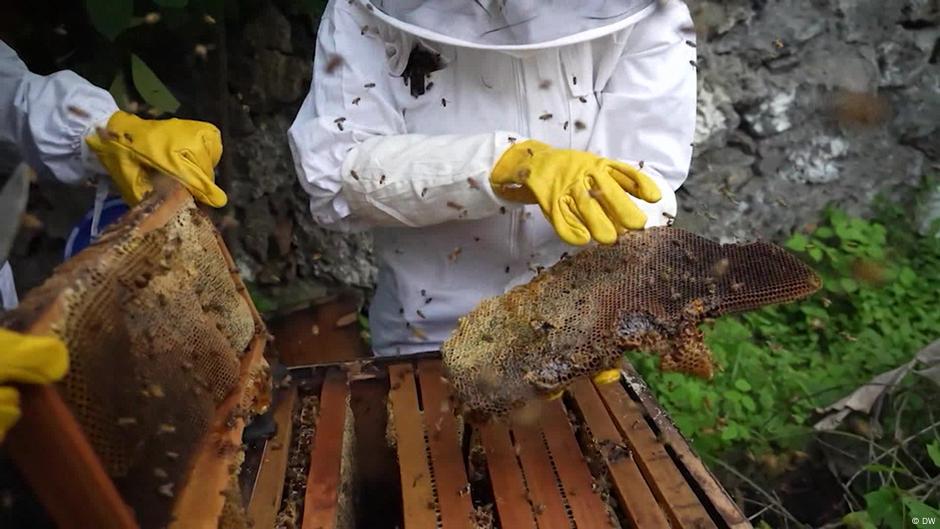
In the village of Rusayo, located just north of Goma, the Democratic Republic of Congo, Deborah Nzarubara, a beekeeper and entrepreneur, is making significant strides in improving local livelihoods. Nicknamed the “Queen of Bees,” she operates Green Community Mind (GRECOM), an initiative focused on sustainable apiculture education for local farmers.
Innovative Techniques and Community Empowerment
Deborah is pioneering eco-friendly beekeeping methods by utilizing cow dung as a fuel source for smokers, which helps to soothe bees without harming the environment. This method is particularly useful in a region rich with beekeeping potential; North Kivu alone is home to over 23,000 hives cared for by around 20,000 beekeepers.
Transformative Effects on Local Lives
Through her mentorship programs, Deborah has positively influenced the lives of numerous local beekeepers, including individuals like Bakale Barshuka, who now operates hundreds of hives. She advocates for the emotional and financial rewards of beekeeping, promoting it not only as a lucrative endeavor but also as a therapeutic practice. Her particular focus on empowering women helps dismantle prevalent cultural barriers against their participation.
The Role of Beekeeping in Socioeconomic Stability
In a region often overshadowed by conflict and economic challenges, Deborah believes that beekeeping can serve as a pathway to resilience and financial stability. It helps ensure food security while fostering responsible environmental practices. By training over 1,000 beekeepers and collaborating with institutions like the National Institute for Vocational Education and Training (INPP), she is cultivating a community of skilled practitioners who can continue to disseminate their knowledge.
An Example of Success and Hope
Through GRECOM, Deborah Nzarubara is not merely producing honey; she is nurturing independence, community spirit, and a sense of hope among local families. Her honey brand, Asali ya Kivu, reflects an unwavering dedication to quality and sustainable practices, making it a respected product both regionally and internationally.
Ultimately, Deborah’s efforts underscore a crucial message: initiatives led by women are often more sustainable and effective, thereby enhancing community development. Beekeeping in the DRC stands as a testament to resilience and the transformative power of sustainable practices.
