


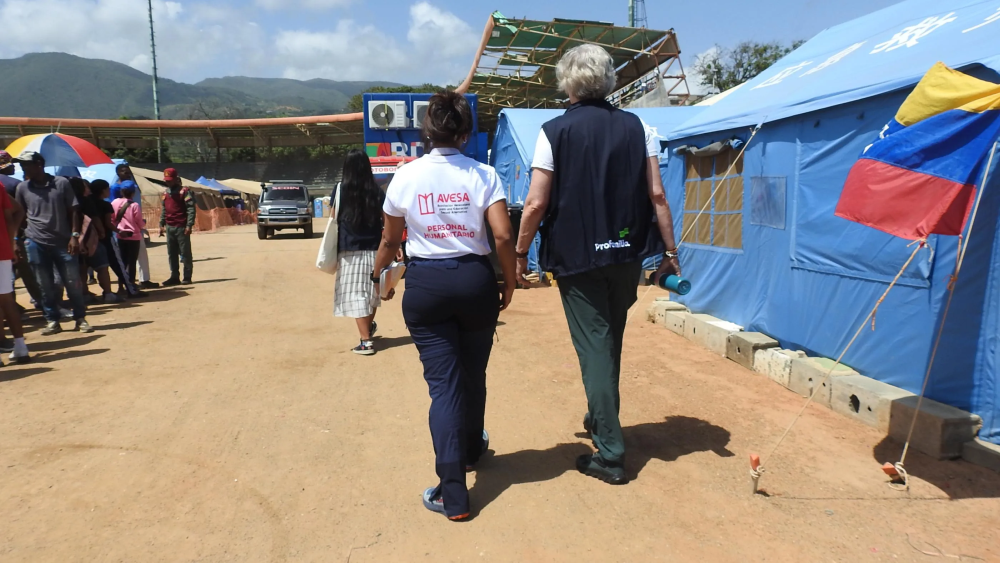
In the wake of the devastating earthquakes that struck northern and central Venezuela on June 24, 2026, emergency sexual and reproductive health care is urgently needed. Asociación Venezolana para una Educación Sexual Alternativa (AVESA), an organization deeply embedded in the communities it serves, is on the frontlines, offering crucial support to those displaced and still residing in temporary shelters.
“It was a horror scene,” recalls Maribel Bapista, AVESA’s Education Coordinator, describing the chaos as she fled her home during the earthquakes. With destruction evident all around her, Maribel, like many others, faced overwhelming panic and fear as the seismic shocks wreaked havoc on the area. Sadly, the earthquakes resulted in over 6,500 confirmed fatalities, with many individuals still reported as missing.
AVESA stands out for its extensive experience, having served the Venezuelan population for over 42 years, focusing on psychological support and sexual and reproductive health services. As highlighted by Magdymar Léon, the organization’s Director General, AVESA has adapted its capabilities to meet the pressing needs arising from complex humanitarian emergencies in the region.
“With a long history in the country, we understand our communities deeply, allowing us to provide culturally sensitive and relevant services during crises,” said Léon.
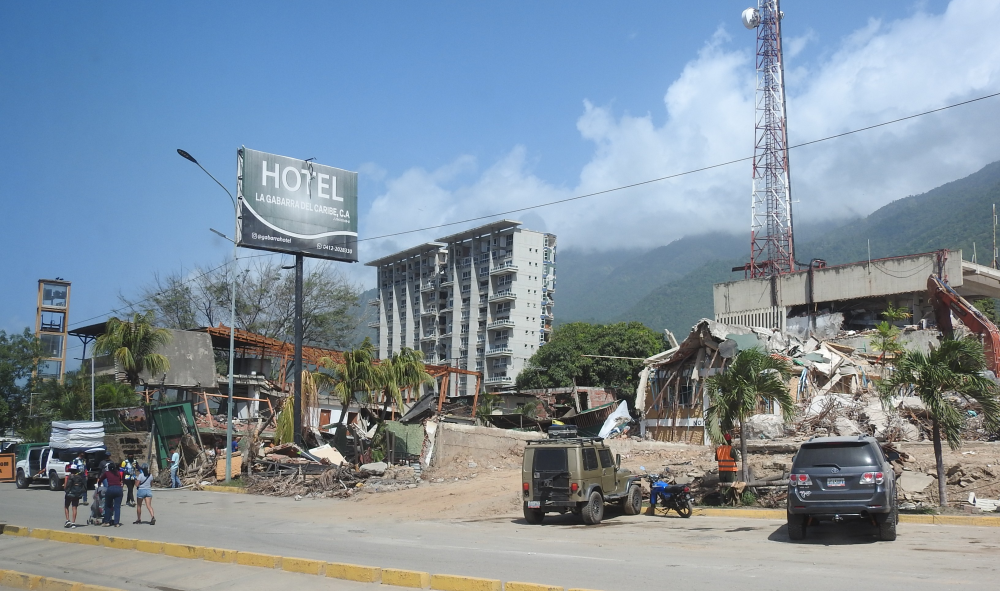
The earthquakes have exacerbated what was already a significant humanitarian crisis in Venezuela, where nearly eight million people depend on humanitarian assistance due to prevailing economic turmoil and inadequate public health resources. Local organizations like AVESA become essential in addressing urgent needs amid increasingly restrictive legal frameworks against NGOs.
Magdymar explains the necessity of a locally coordinated response: “We address the immediate needs with the understanding that we are all living these tragedies ourselves,” she emphasized, pointing out that close collaboration with other organizations enhances the effectiveness of their response.
In the aftermath of the earthquake, reports indicate that at least 12,500 people remain in temporary shelters, many of whom face heightened risks of sexual and gender-based violence (SGBV). Marialbert Barrios, Project Coordinator at AVESA, stated, “Women and children are particularly vulnerable in these conditions, which can expose them to gender-based violence and other forms of abuse.”
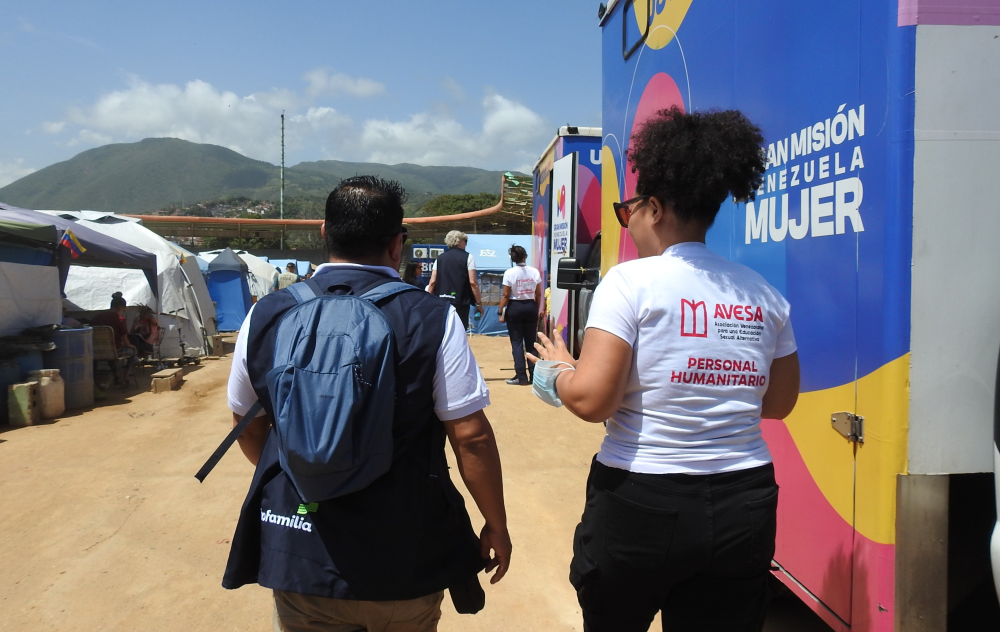
AVESA is actively engaged in eight temporary shelters and communities surrounding Caracas and La Guaira. Their initiatives encompass training shelter staff to recognize cases of SGBV and offering vital medical and psychosocial assistance to survivors. Additionally, AVESA’s emergency reproductive health services address critical needs that are often neglected during humanitarian crises. Their offerings include hygiene kits, contraceptives, STI testing and treatment, as well as prenatal check-ups.
The strength of AVESA lies within its community-oriented approach. Gabriela Franquiz, a psychologist specializing in sexual and gender-based violence, underscores the importance of ongoing support: “Being present for those affected, establishing connections, and understanding their situations is crucial,” she noted. “It’s not just about providing immediate aid but also about fostering relationships that encourage people to move forward.”
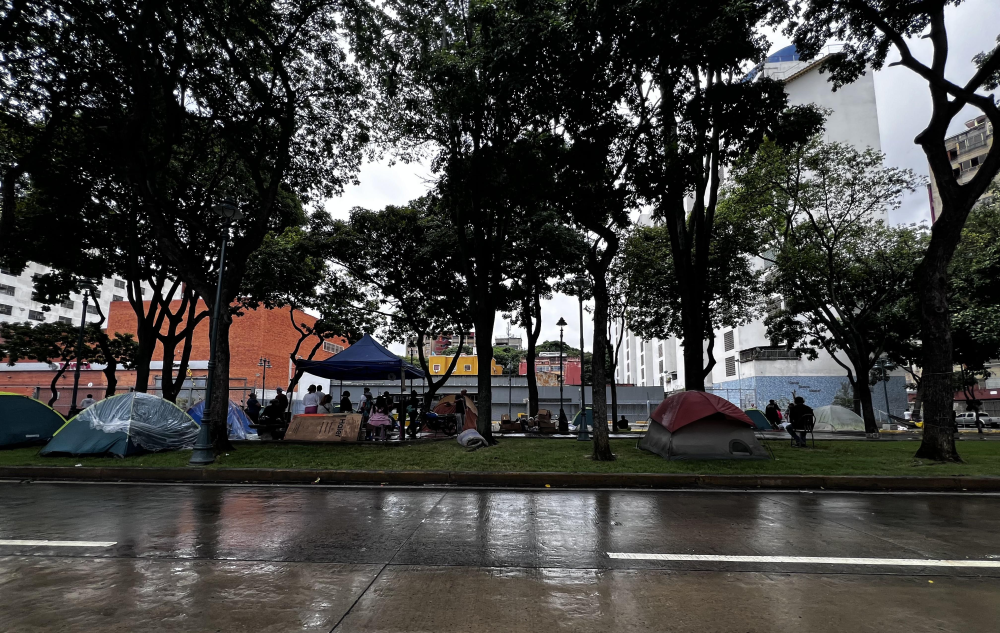
The precarity of life in Venezuela has posed additional challenges, particularly for women and girls who have previously faced escalating rates of violence, including gender-based violence and trafficking. In reaction to the ongoing crisis, AVESA emphasizes a gender-responsive approach which integrates women in decision-making processes essential for effective humanitarian response. Marialbert Barrios stated, “Understanding the specific impact this crisis has on women and girls is vital for delivering a humanitarian response that is not only swift but also effective.”
Partnering with organizations like the International Planned Parenthood Federation (IPPF) has enabled AVESA to enhance its rapid response capabilities through financial support and expert guidance, ensuring compliance with global standards for emergency sexual and reproductive health care.
IPPF’s Humanitarian Director, Valerie Dourdin, praised AVESA’s proactive efforts, stating, “The dedication of the AVESA team in addressing the complexities of these cases has been remarkable, establishing their role as a pivotal humanitarian organization in addition to their psychosocial care expertise.”
