


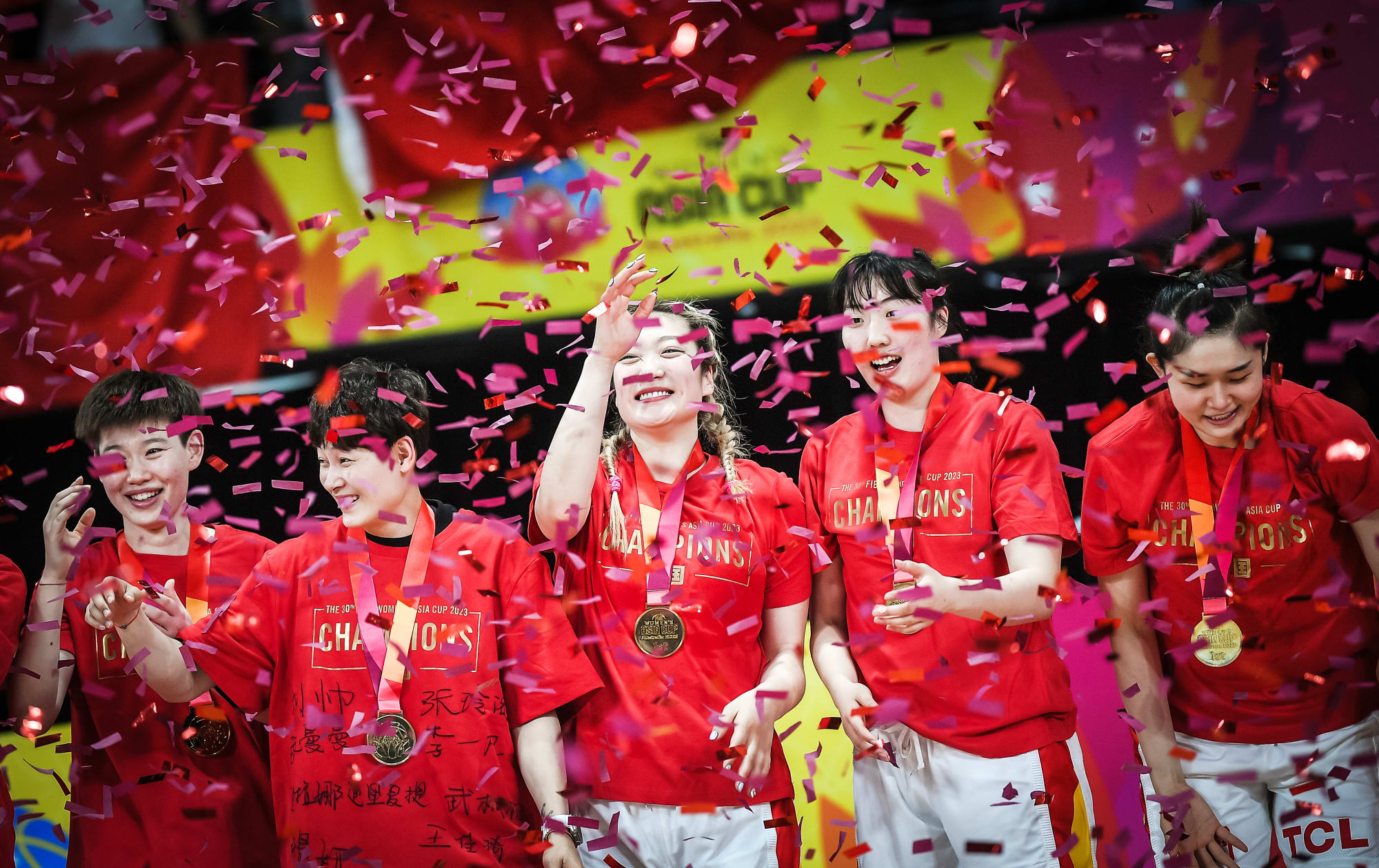
As the FIBA Women’s Asia Cup 2025 approaches, excitement is building for this premier tournament, which showcases the top women’s national basketball teams from Asia and Oceania. Set to unfold in Shenzhen, China, the event promises thrilling competition from July 13 to 20.
What Is the FIBA Women’s Asia Cup?
The FIBA Women’s Asia Cup is recognized as the leading women’s basketball competition in the Asia and Oceania regions. Organized biennially by the FIBA Regional Office-Asia, the tournament celebrates excellence in women’s basketball.
Historical Overview
This year marks the 31st edition of the tournament, which first took place in 1965 in Seoul, South Korea. Historically, the event has been hosted by 11 countries, with Japan being the most frequent host, boasting six tournaments (1982, 1994, 1995, 1999, 2004, and 2011).
Host City
Shenzhen, located in Guangdong province, China, will serve as the host city for the upcoming tournament. This will be the fourth instance that China holds the event, having previously done so in 1984, 2005, and 2015.
Participating Teams
This year, eight teams have qualified for Division A:
- Australia (4 previous appearances)
- China (24)
- Indonesia (12)
- Japan (28)
- Korea (30)
- Lebanon (5)
- New Zealand (4)
- Philippines (17)
Meanwhile, eight teams have qualified for Division B:
- Chinese Taipei (25)
- Cook Islands (Debut)
- India (20)
- Iran (3)
- Kazakhstan (12)
- Mongolia (1)
- Tahiti (Debut)
- Thailand (18)
Qualification Process
In addition to host nation China, the top seven teams from the 2023 edition have secured their Division A spots, joined by Division B winners Indonesia. Notably, this marks Indonesia’s first return to Division A since the two-division format was established. Meanwhile, Chinese Taipei will miss the tournament for the first time since 1984 after being relegated, while Lebanon made history by qualifying for Division A in consecutive tournaments for the first time.
Incentives and Stakes
The champion will not only receive the inaugural FIBA Women’s Asia Cup trophy but will also secure a direct spot in the 2026 FIBA Women’s Basketball World Cup in Germany, alongside a berth in the World Cup Qualifying Tournaments set for March 2026. Teams finishing in second to sixth place will also qualify for these World Cup qualifying tournaments.
Competition Format
In Division A, the eight participating teams will be divided into two groups of four. The group winners will advance to the semifinals, while the second- and third-placed teams will compete in playoff rounds. The knockout stage will follow with classification games to determine rankings. The lowest-placed team in Division A will be relegated to Division B for the 2027 tournament.
Group distributions for Division A are as follows:
- Group A: China, New Zealand, Korea, Indonesia
- Group B: Japan, Australia, Philippines, Lebanon
Division B follows the same format, with the top team promoted to Division A for 2027. Group distributions for Division B are:
- Group A: Chinese Taipei, Kazakhstan, India, Tahiti
- Group B: Iran, Thailand, Mongolia, Cook Islands
Defending Champions
China enters as the reigning champion, having clinched the title at the 2023 tournament in Sydney. This victory marked the nation’s 12th gold medal, placing them alongside Korea as the most successful teams in the tournament’s history.
Event Ambassadors
FIBA Hall of Famers Miao Lijie from China and Yuko Oga from Japan have been appointed as the ambassadors for the 2025 edition. Both legends not only excelled in this tournament but also brought home gold for their countries, earning great respect and admiration.
Game Schedule
The tournament will commence on July 13 and conclude on July 20. For a detailed game schedule, please refer to the official booking platform.
Viewing Options
All games will be streamed live on Courtside1891, with additional coverage through local broadcasters to be announced. Fans can follow the tournament and highlights on FIBA’s official platforms, including YouTube, Facebook, Instagram, and X, using the hashtag #AsiaCupWomen to engage in the conversation.
Player Rosters
Final rosters consisting of 12 players for each team will be confirmed following a technical meeting prior to the tournament’s start. Several teams have already begun to announce their preliminary squads, and fans can keep track of these updates through the roster tracker.
