


Recent research highlights a significant emotional burden faced by women, revealing that nearly 73% take on the stress of their friends and family. A survey conducted by Talker Research among 2,000 women across various generations emphasized the considerable empathy women extend toward their loved ones’ struggles.
Furthermore, approximately 72% of the respondents expressed feeling societal and internal pressure to engage in this emotional labor. In a stark contrast, only 18% of women reported being “very open” about their own stress, while 52% admitted to frequently concealing their true feelings by pretending to be “fine.”
Across different age groups, the average woman experiences stress for about five hours daily, representing 21% of their day. Younger generations, particularly Gen Z and millennials, report even higher levels of stress, averaging six hours a day. Among those surveyed, 10% identified the start of their stress as stemming from their morning routines, with 15% feeling it as soon as they wake up. For Gen X, peak stress typically occurs around midday.
The findings reveal distinct generational stressors: Gen Z is most affected by work (37%) and relationships with men (19%), whereas millennials experience anxiety surrounding phone calls (21%). Gen X is particularly impacted by physical health concerns (31%), while baby boomers cite troubling news as a significant source of stress (30%).
High stress levels do not just affect emotional well-being but also impact various aspects of women’s health. Approximately 44% reported a decline in sleep quality, while 34% noted impaired focus and mental health challenges. Other health issues arising from stress include digestive discomfort (21%) and symptoms like bloating (15%). About 46% of women acknowledged the reciprocal relationship between gut health and stress levels.
Beyond health concerns, the emotional toll interferes with women’s capacity to plan for the future; 28% feel too overwhelmed by daily stress to consider long-term goals. Furthermore, social connections suffer, as 26% mention spending less time with family and friends, while a similar percentage feels unable to pursue hobbies. Approximately 21% reported feeling less connected to their partners.
In terms of coping strategies, women are turning to activities that promote relaxation and self-care. The most common methods include carving out “me time” (36%), taking walks (35%), or showers (30%), ensuring they are well-rested (30%), and playing with pets (27%). Remarkably, these actions are believed to reduce stress levels by about 63% according to participants.
Shah, Chief Marketing Officer of Biocodex USA, emphasized the importance of maintaining both physical and mental health, saying, “Your body is like a vibrant, bustling city…but when stress and life’s challenges hit, it’s like a power outage or gridlock in your inner city.” She highlights that managing stress is crucial for overall well-being.
Furthermore, the survey findings indicate that 63% of women believe their stress levels are equal to or surpass those of the men in their lives. Notably, respondents drew comparisons with well-known figures; Britney Spears was mentioned as having the most stressful year, with 21% of women believing their stress exceeds hers.
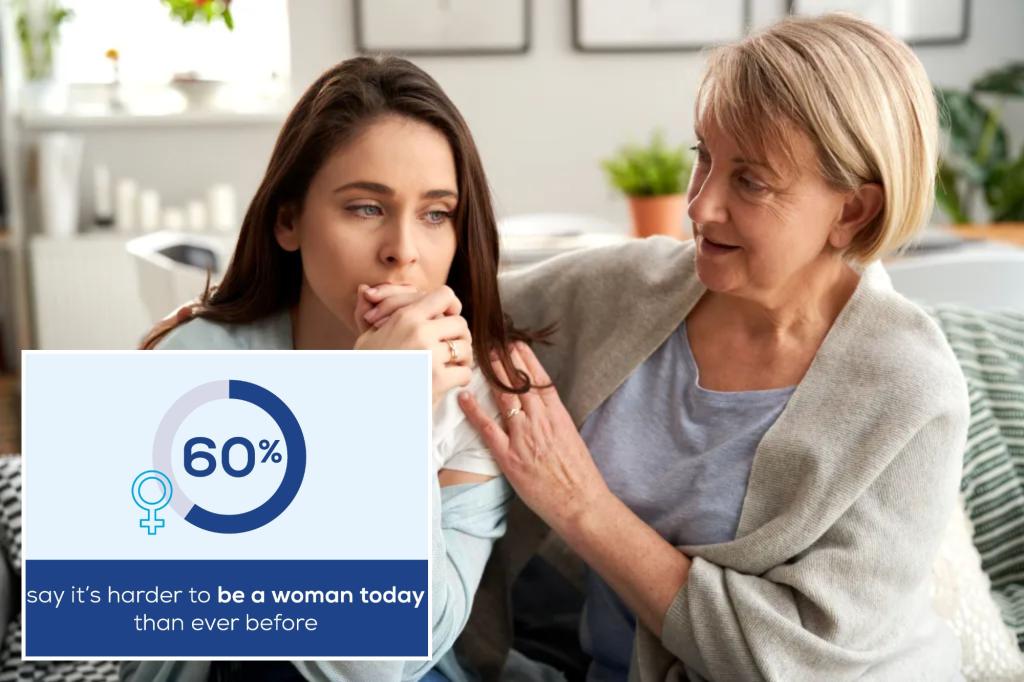
Surprisingly, 60% of participants agree that being a woman in 2025 is more stressful than ever. The intensity of this stress has prompted 26% of the women to consider deleting social media, with another 14% contemplating sleeping on the floor as extreme measures to reduce their stress levels.
To encapsulate their stress, women identified songs that resonate with their emotional state. Some of the top choices include:
- “Numb” by Linkin Park – 20%
- “Under Pressure” by Queen and David Bowie – 18%
- “Stressed Out” by Twenty One Pilots – 18%
- “Shake it Off” by Taylor Swift – 17%
- “I’m So Tired” by The Beatles – 14%
- “Waiting on the World to Change” by John Mayer – 12%
Survey Methodology: Talker Research conducted this survey of 2,000 women, evenly split across generations (500 each from Gen Z, millennials, Gen X, and baby boomers), on behalf of Florastor between April 14 and April 21, 2025.
