


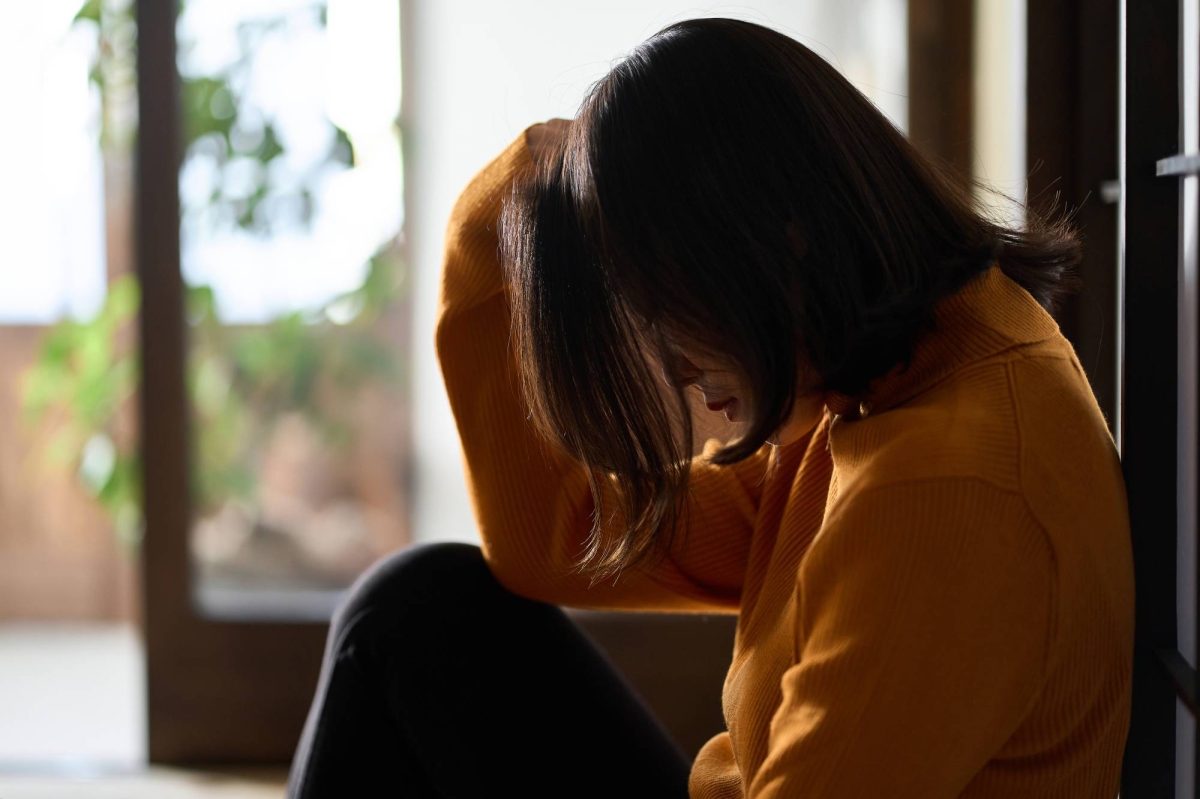
Recent findings from a survey conducted by the Japan Institute for Health Security have revealed a significant disparity in long-term sick leave between genders, particularly among women in their 20s. The data indicates that female employees in this age group experience long-term absence from work—defined as taking 30 or more consecutive days off due to illness or injury—at rates nearly double those of their male counterparts.
Key Findings on Sick Leave
Analyzing sick leave reports from fiscal years 2012 to 2021, researchers led by Yukari Taniyama studied a sample of approximately 100,000 workers employed by companies in the Kanto and Tokai regions. Their investigation focused on the incidence of illnesses and injuries necessitating prolonged time away from work, broken down by gender, age, and cause.
Incidence Rates
- Among men during this period, there were 6,518 recorded cases of long-term sick leave.
- In contrast, women accounted for 1,866 cases.
- The calculated incidence rate for women stood at 115.5 per 10,000 employees, whereas for men it was lower at 89.2.
Age Variations
When further dissecting the data by age, it was found that women in their 20s had the highest incidence rate of long-term sick leave at 176.6, which is 2.1 times greater than the rate for men in the same demographic, recorded at 83.8.
Primary Causes of Sick Leave
The leading causes for prolonged absences were predominantly mental health issues, notably depression and anxiety disorders. These conditions appeared to be particularly prevalent among younger women. Additionally, pregnancy-related complications, including severe morning sickness, were significant contributors to sick leave among this group.
Trends Across Age Groups
As age increased, the prevalence of mental health-related sick leave decreased. Conversely, data indicated that women in their 30s to 50s showed a higher occurrence of sick leave attributed to cancer compared to their male peers in the same age range.
Conclusion
Yukari Taniyama emphasized the importance of recognizing the higher incidence rates of long-term sick leave among women. “Women generally have a higher incidence of long-term sick leave than men,” she stated, highlighting the need to consider gender and age differences in the treatment and prevention of illnesses leading to such absences.
