


Aubrey Hasley’s Experience: Recognizing Stroke Symptoms in Young Individuals
Unexpected Symptoms of Stroke
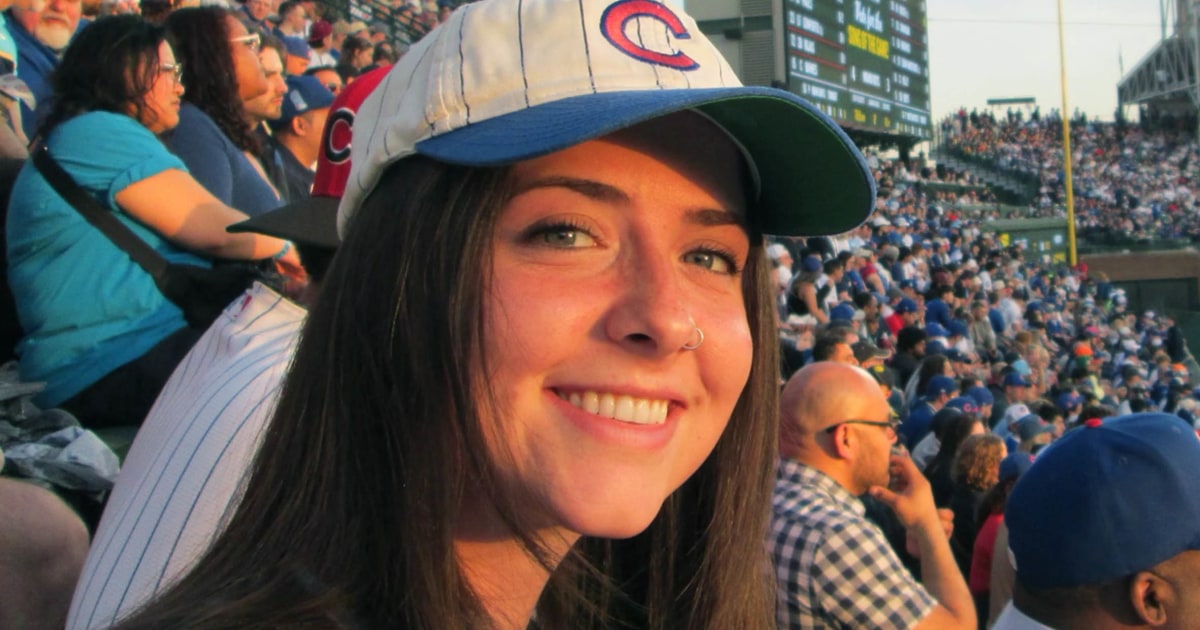
In June of last year, 22-year-old Aubrey Hasley from the Chicago area began to notice an unusual and distressing symptom: a loud ringing in her ears, a condition known as tinnitus. “It was pretty hard to ignore. It scared me for a few seconds,” Hasley recalls. The sound was reminiscent of microphone feedback, but soon it escalated to more serious symptoms.
As she experienced these signs, Hasley felt an onset of migraine-like pain, but it was unlike any she had faced before. Concerned for her health, she visited the emergency room where it was discovered that she had suffered a stroke.
Recognizing Stroke Risk Factors in Young Adults
Prior to this incident, Hasley had a history of migraines accompanied by auras, typically several times a year. Initially, she dismissed the tinnitus as just an oddity. However, as her symptoms worsened, she began to feel intense dizziness, with a notable lack of coordination and balance. Alone at home, Hasley texted friends expressing her fears of having a stroke.
Her experience in healthcare, particularly with stroke patients, made her acutely aware of the potential severity of her symptoms. “I wasn’t super positive that’s what was happening to me,” she said, illustrating the internal conflict many may feel when facing such sudden health crises.
Emergency Response and Diagnosis
Her brother quickly contacted her, and after her family returned home, her mother took her to the local emergency room. “My brother helped carry me to the car because I was having so much trouble walking,” Hasley mentioned. Initially, the emergency staff treated her for vertigo, but as conditions deteriorated, further examinations, including CT scans, revealed troubling signs.
Despite a normal CT scan result, her symptoms progressed to double vision, loss of control on one side of her body, and slurred speech. Eventually, doctors performed further imaging and confirmed she was indeed experiencing a stroke.
Treatment and Recovery
In light of the time elapsed since her symptoms began, physicians opted for a thrombectomy, a minimally invasive surgery to remove the clot causing her stroke, rather than clot-busting medications. Hasley was awake during the procedure, which she described as a sensation of pressure but no pain.
Growing Concerns for Young Adults and Stroke
Dr. Mohammad Anadani, chief of neuroendovascular services at Endeavor Health Neurosciences Institute, points out, “We are seeing an increasing trend in young people, especially in females,” highlighting that strokes can indeed affect individuals much younger than the traditional demographic of those 65 and older.
To facilitate quick diagnosis, awareness of the signs of stroke is paramount. Key symptoms can be remembered with the acronym FAST:
- F: Facial weakness
- A: Arm or leg weakness
- S: Slurred speech
- T: Time to call 911
Identifying Risk Factors for Young People
Stroke risk factors in younger populations often differ from those of older individuals. They include:
- Family history of stroke
- Torn blood vessels
- Sickle cell disease
- Clotting disorders
- Congenital heart conditions
Hasley had a congenital heart defect, specifically a patent foramen ovale (PFO), which allowed a blood clot to bypass her heart and reach her brain, resulting in her stroke. Though many are unaware they have a PFO due to its often asymptomatic nature, addressing it can considerably reduce future stroke risks.
Impact on Health Care Perspective
As a graduate student in occupational therapy, Hasley’s experience profoundly influenced her approach to patient care. “Going through something traumatic has given me a different perspective on empathy,” she explained. “I want to be more of that encouraging, supportive person.”
Thanks to prompt treatment, Hasley did not require rehabilitation post-stroke and successfully underwent PFO repair in August 2024. Following her surgery, she noted a remarkable reduction in migraine occurrences.
Encouraging Awareness and Self-Advocacy
Despite her recovery, Hasley continues to experience anxiety about her health, leading her to visit the ER again due to panic. “I didn’t want to be dramatic,” she shared about her initial hesitation to seek medical help.
She encourages others to recognize their bodies and advocate for their health: “It’s important to listen to that,” she concludes, emphasizing the critical nature of seeking help when faced with unfamiliar symptoms.
