


Exploring Wrist Cooling for Managing Vasomotor Symptoms
Recent research highlights the effectiveness of wrist cooling as a method to manage vasomotor symptoms, commonly associated with menopause. This innovative approach may offer a practical solution for individuals experiencing temperature-regulating challenges linked to hormonal fluctuations.
Understanding Vasomotor Symptoms
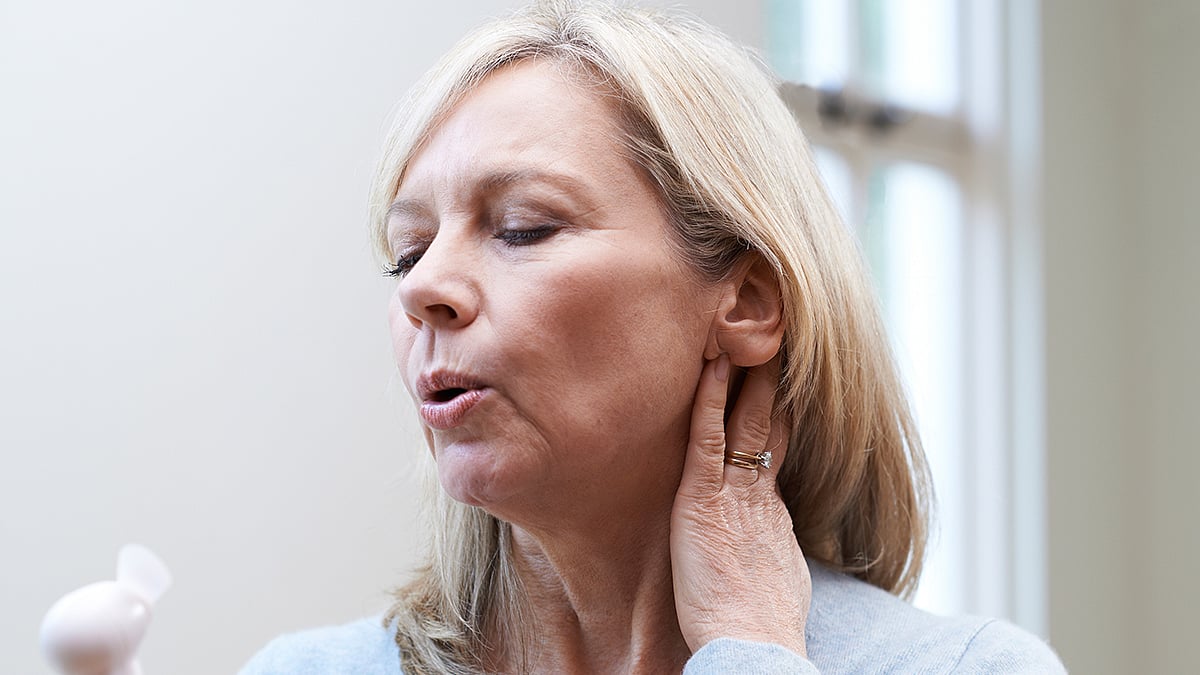
Vasomotor symptoms, which include hot flashes and night sweats, can significantly impact quality of life. These symptoms arise from changes in hormone levels, particularly estrogen. Women undergoing menopause often report these experiences, leading to discomfort and sleep disturbances.
The Role of Wrist Cooling
A novel study has suggested that cooling the wrists may mitigate the intensity and frequency of vasomotor symptoms. The hypothesis is based on the body’s thermoregulatory mechanisms; the wrists contain numerous blood vessels close to the skin’s surface, enabling effective heat dissipation. By applying cooling methods to this area, individuals may experience relief from sensations of overheating.
Research Findings
The study revealed that participants who utilized wrist cooling strategies reported a notable decrease in the severity of their vasomotor symptoms compared to those who did not. Researchers conducted controlled trials to ensure the validity of these findings, demonstrating not only a reduction in discomfort but also an improvement in overall quality of life.
Practical Applications
For those experiencing vasomotor symptoms, integrating wrist cooling into their daily routine can be straightforward:
- Consider wearing cooling wristbands designed to regulate body temperature.
- Utilize ice packs wrapped in cloth for targeted relief during acute symptom episodes.
- Maintain a cool environment by using fans or air conditioning to complement the cooling effect.
Future Implications
The promise of wrist cooling as a simple and non-invasive method to alleviate vasomotor symptoms could pave the way for wider recognition and utilization in symptom management. Continuous research will be essential to explore the long-term effects and practicality of various cooling techniques, potentially benefiting many who struggle with these symptoms.
Conclusion
As awareness grows regarding the impact of vasomotor symptoms and innovative strategies to manage them, wrist cooling emerges as a potential game-changer. By adopting this straightforward yet effective approach, individuals may find much-needed relief from discomfort associated with hormonal changes.
