


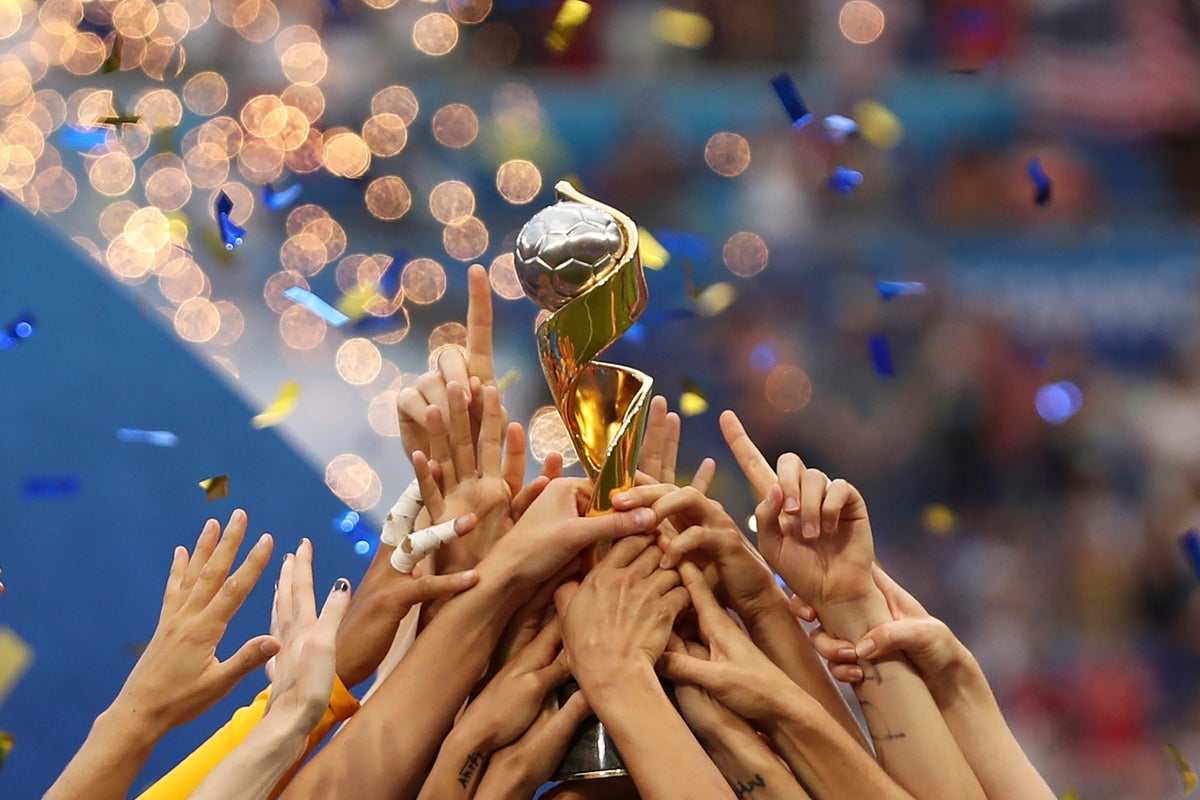
Understanding the Prize Money Landscape of the Women’s World Cup 2023
As England faces Spain in the Women’s World Cup final, the match signifies not only an intense competition but also a landmark moment in the financial realm of women’s football. FIFA has unveiled a record prize fund for this year’s World Cup, held across Australia and New Zealand.
Record Prize Money Announced
FIFA disclosed that the total prize pool for the tournament amounts to $152 million (£126 million). This figure marks a substantial increase compared to previous tournaments.
- Performance-based fund: $110 million (£86 million), more than triple the $30 million (£24 million) allocated in 2019.
- Preparation funding and club benefits: An additional $42.5 million (£34 million) has been set aside.
Player Earnings Breakdown
In a notable shift, players will receive 44% of the performance-based fund, separate from national team payouts. Here’s how the earnings stack up for individual players:
- Champions: $270,000 (£212,000)
- Runners-up: $195,000 (£153,000)
- Third place: $180,000 (£141,000)
- Fourth place: $165,000 (£130,000)
- Quarter-finals: $90,000 (£70,000)
- Round of 16: $60,000 (£47,000)
- Group stage: $30,000 (£23,600)
Team Earnings Overview
In parallel, national teams will also benefit financially. The earnings for teams reaching various stages are detailed below:
- Champions: $4,290,000 (£3.4 million)
- Runners-up: $3,015,000 (£2.4 million)
- Third place: $2,610,000 (£2.0 million)
- Fourth place: $2,455,000 (£1.9 million)
- Quarter-finals: $2,180,000 (£1.7 million)
- Round of 16: $1,870,000 (£1.4 million)
- Group stage: $1,560,000 (£1.2 million)
Comparative Analysis with Men’s World Cup
Despite this significant increase in prize money, there remains a notable disparity when comparing the financial rewards of the men’s and women’s World Cups. The total prize fund for men’s football reached approximately $440 million (£365 million) in 2022, highlighting the ongoing gap in financial equity.
Future Steps Toward Equality
FIFA President Gianni Infantino has indicated ambitions to achieve equal pay for both tournaments by 2026 and 2027. He has called on media and corporate sponsors to contribute to narrowing the financial divide. He stated, “The pledge has to be, and to ask everyone, in terms of broadcasters, sponsors, partners, to of course pay a fair price to women’s football.”
Conclusion
The 2023 Women’s World Cup not only showcases the talent and determination of female athletes but also represents a critical moment for financial recognition in women’s sports. With monumental prize funds and forward-looking initiatives, there’s hope for increased equity in future tournaments.
