Women in Mexican Regional Music: A Breaking Dawn
Mexican regional music, encompassing genres such as mariachi, banda, corridos, norteño, and sierreño, has gained global recognition, playing an instrumental role in the evolution of Latin music. Despite its surging popularity and chart-topping male artists, the representation of women within this genre has been significantly limited.
The Gender Disparity in Music
Representation challenges are not unique to Mexican regional music, as numerous musical genres, including hip-hop and country, have also experienced struggles with gender equality. While advancements have been made in some areas, Mexican regional music remains behind in this regard.
Women artists are now beginning to carve their niche, focusing on themes of love, heartbreak, and individual experiences. Leila Cobo, Billboard’s chief content officer for Latin music, stated, “In this particular genre, women are still maybe feeling their way. I think there’s a big opportunity for someone to kind of seize that spot, explore and see what happens.”
Emerging Voices
Artists such as Peso Pluma and Natanael Cano have contributed to the resurgence of corridos tumbados, a modern subgenre that fuses traditional Mexican sounds with hip-hop and trap elements. This shift has opened avenues for women, with artists like Becky G indicating that their entry was a natural progression into the genre rather than a mere trend.
Spanish singer Belinda, previously successful in Spanish pop music, has also ventured into corridos, excited to pave the way for more female artists. “For me, it was important to just open the door for other girls to just take risks,” she commented regarding her work in the genre.
Macho Culture and Its Challenges
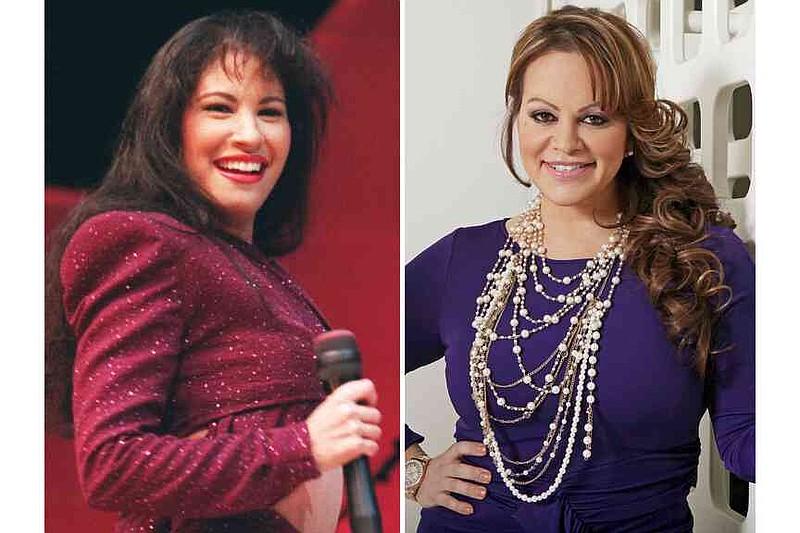
The Mexican music industry has a long history of male dominance. Icons like Selena Quintanilla and Jenni Rivera fought to establish a foothold in predominantly male spaces, often addressing complex gender issues through their lyrics. Their successes serve as a testament to the potential for change.
However, the corridos tumbados subgenre often reflects a “macho” culture, which makes it challenging for women to assert their narratives. Sociologist Omar Cerrillo notes that “there was a strong macho discourse in many songs” historically, and while progress has been observed, complete transformation remains elusive.
Women Composing Their Narratives
Emerging artists like Majo Aguilar aim to challenge preconceived notions in the industry. Growing up in a musical family, Aguilar focuses on defying stereotypes related to gender in music. Similarly, Becky G has cited women like Rivera and Quintanilla as inspirations and proof that meaningful change is achievable within the genre.
Yet, not all journeys are easy. Up-and-coming artist Eydrey, based in El Paso, expressed her frustrations with navigating a male-centric industry. “It’s a little nagging voice that just doesn’t go away,” she shared. “You can’t just help but think, if I were a man, could I be further in my career?”
A New Perspective in Music
The popularity of corridos has been attributed to its dynamic live instrumentation, but the lyrical landscape is also evolving. Women in the genre are beginning to craft their own stories, as highlighted by Eydrey’s TikTok series where she reinterprets male-centric corridos from a female perspective.
For instance, in her rendition of “TÚ NAME” by Fuerza Regida, Eydrey shifts the narrative to highlight the feelings of neglect from a woman’s perspective, questioning the previous portrayal and adding depth to the storyline.
Honoring Tradition While Innovating
Despite initial hesitation, Becky G has fully embraced the Mexican regional genre with her albums “Esquinas” and “Encuentros.” Both projects reflect her love for the musical style she grew up with, underscoring her commitment to bringing authenticity to her work.
“It bled so much realness, so much rawness,” she remarked, emphasizing the heartfelt connection she maintains with her roots in music.
A Beginner’s Playlist: Women in Mexican Regional Music
- “300 Noches,” Belinda and Natanael Cano
- “TODO,” Becky G and Delilah
- “X TI,” Eydrey
- “Que Te Vaya Bien,” Majo Aguilar
- “Qué Agonía – Remix,” Yahritza y Su Esencia, Yuridia and Ángela Aguilar
- “Cuando Muere una Dama,” Jenni Rivera
- “No Me Queda Mas,” Selena Quintanilla
- “Canción Sin Miedo,” Vivir Quintana
- “El Jefe,” Shakira and Fuerza Regida
- “COMO DIABLOS,” Becky G