


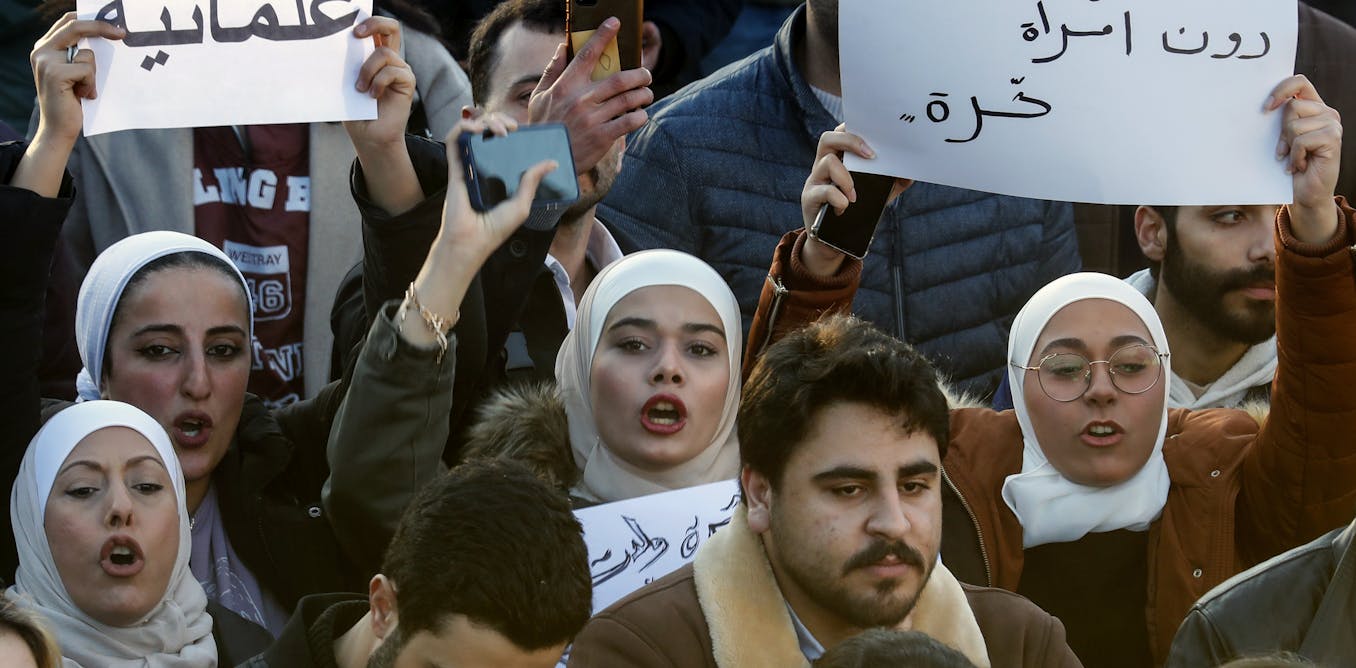
Women’s Role in Syria’s Future: Challenges and Opportunities
The recent removal of the Assad regime in late 2024 has sparked optimism within the global community, as signified by the lifting of sanctions by the United States and the European Union. However, this transition poses significant challenges, particularly for the women of Syria, who continue to face systemic marginalization under the new leadership.
The Current Landscape for Women in Syria
Despite playing a crucial role in the protests that led to the regime’s downfall, women have found themselves sidelined in the political sphere. The new government, primarily composed of members from the militant group Hayat Tahrir al-Sham, reflects a continuation of historical inequalities rather than a progressive change. Critics argue that women’s rights are not prioritized, which jeopardizes the effort for sustainable peace.
Under the current administration, only one woman has been appointed to the caretaker government and she lacks a ministerial title. Comments made by officials about women’s “biological and physiological nature” reveal troubling attitudes that question their roles in governance.
Political Exclusion Continues
A recent national dialogue conference, aimed at shaping Syria’s political future, included meager representation for women. From a preparatory committee of seven, only two members were women, and the broader participation at the conference was equally sparse. Although about 200 out of 1,000 delegates were women, their contributions to decision-making were minimal, with only one out of 18 recommendations addressing women’s issues.
The new President, Ahmed Hussein al-Sharaa, has signaled a commitment to women’s rights; however, the reality is stark. Out of 23 ministerial appointments, only Hind Kabawat, as Minister of Social Affairs and Labor, occupies a position where she is expected to address issues traditionally associated with women, such as welfare and caregiving.
The Necessity for Change
To establish genuine peace in Syria, it is essential to create avenues for women’s meaningful involvement in governance. This can include:
- Implementing constitutional mandates that ensure women have minimum representation in leadership roles.
- Setting up independent bodies to investigate gender-based injustices and hold perpetrators accountable.
- Launching economic initiatives to support women’s financial independence.
- Promoting awareness campaigns that highlight women’s contributions to the revolution and their role in rebuilding the nation.
A Pivotal Moment for Syria
As the international community places renewed emphasis on gender equality, particularly evident at the G7 Summit in May 2025, Syria finds itself at a critical juncture. The future of the nation hinges not just on political stability but also on how effectively it incorporates the voices and rights of women into its fabric. Middle powers in the region can influence this outcome by linking humanitarian aid to the promotion of human rights and inclusive governance.
The question remains: will Syria embrace the opportunity for transformation, or will it decline into further cycles of conflict and repression? The stakes have never been higher.
