


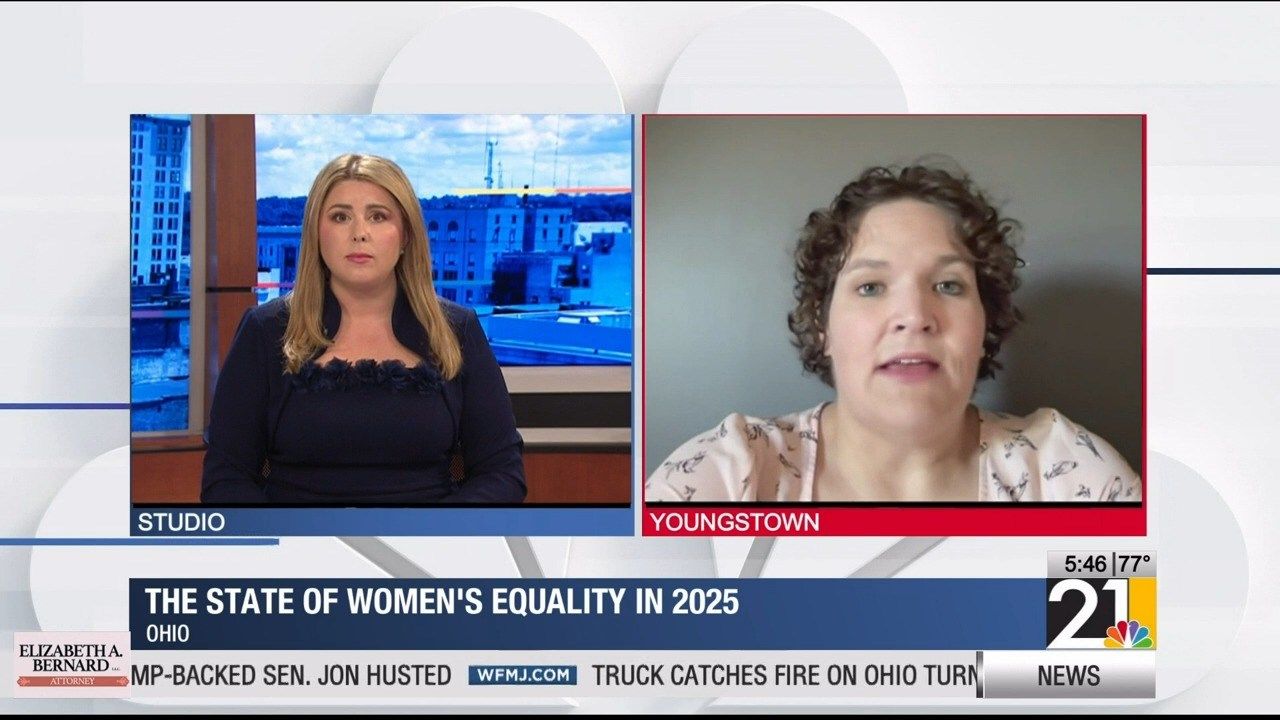
According to a recent survey conducted by WalletHub, new insights have emerged regarding the level of equal treatment that women experience across various regions in the United States. The comprehensive study delves into multiple facets of gender equality, highlighting which states are making strides toward fair treatment for women.
Key Findings from WalletHub’s Survey
The survey evaluates several indicators that contribute to the overall assessment of women’s equality. Some of these indicators include:
- Economic opportunities
- Political representation
- Health measures
- Educational access
Expert Commentary
Dr. Amanda Fehlbaum, the director of Youngstown State University’s Women’s and Gender Studies program, has provided her insights on the survey’s findings. She emphasizes the importance of understanding where women are treated more equitably in society and the implications of those findings for ongoing discussions about gender equity.
Regional Disparities
The survey outlines significant regional disparities, showing that some states provide a more supportive environment for women than others. The findings suggest that geographic location may play a crucial role in the level of equality experienced by women, with certain regions excelling in providing essential support systems and opportunities.
Social Implications
Understanding these disparities is vital for policymakers and advocates working to enhance gender equality across the United States. By focusing on states that exemplify best practices, stakeholders can develop strategies to improve conditions in areas that lag behind.
Conclusion
Overall, the WalletHub survey sheds light on the complex landscape of gender equality in America. It highlights not only the progress made but also the challenges that still exist. Continued discourse, education, and advocacy remain essential for advancing women’s rights and ensuring fair treatment in every region.
