


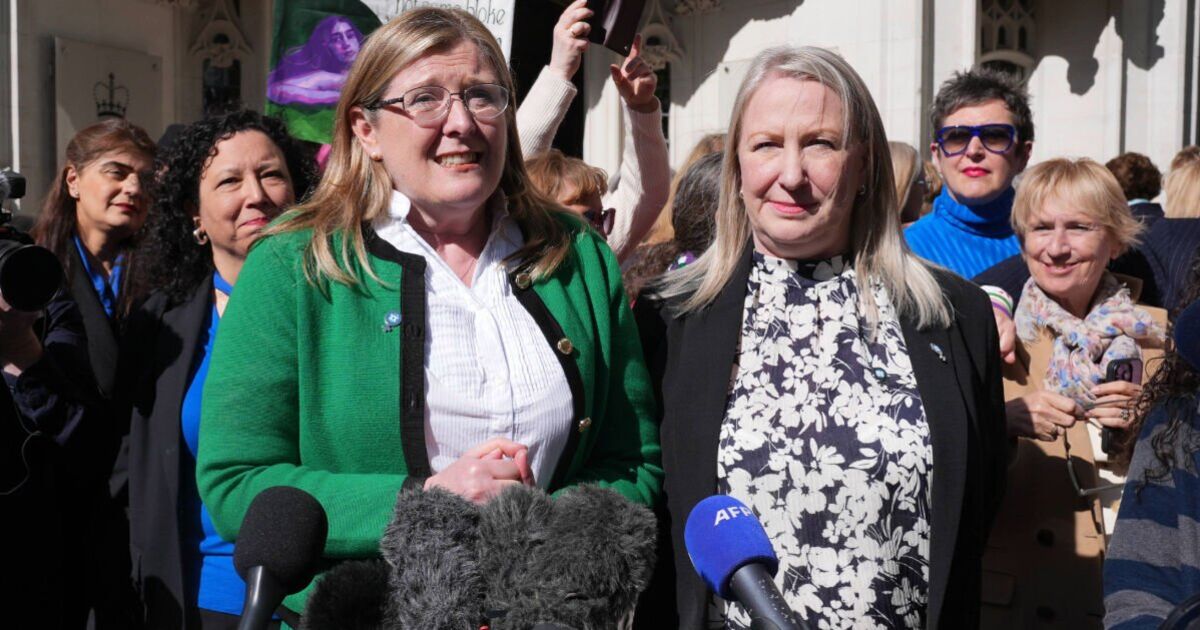
Women Facing Death Threats Following Court Ruling on Gender Definition
Following a significant Supreme Court ruling that reaffirmed the definition of a woman in UK equality law as based on biological sex, campaigners from For Women Scotland have found themselves the targets of severe abuse and death threats. This historic decision has sparked both a victory for those advocating for women’s rights and a concerning backlash against the individuals leading the charge.
Supreme Court Ruling Details
Last week, the UK’s highest court concluded that the terms “woman” and “sex” in the 2010 Equality Act specifically refer to biological women. This ruling implies that trans women are not permitted to access women-only spaces such as bathrooms, changing rooms, or women’s sports competitions, as articulated by the head of Britain’s equality watchdog.
Condemnation of Threats Against Campaigners
The backlash has alarmed many political figures. Tory shadow women’s minister Mims Davies condemned the situation, stating, “These brave women behind For Women Scotland won a landmark victory in the Supreme Court. Instead of celebration, they’ve faced death threats and vile abuse,” emphasizing that no woman should endure such hatred for defending their rights.
Reform UK MP Lee Anderson echoed this sentiment, labeling the threats as disgraceful and noting the clarity the ruling brings to women’s rights. He praised the campaigners for countering what he described as “SNP lunacy.”
Campaigners Speak Out
Among the campaigners, Marion Calder reported that a significant portion of the threatening messages have come from men, though she highlighted that the majority of correspondence received is positive. “We are just ordinary members of the public… but it won’t stop us from speaking out,” she stated, indicating that their efforts are fueled rather than quelled by the abuse.
Calls for Action from Authorities
Independent MP Rosie Duffield addressed the broader implications of the threats, urging police and home office authorities to take the rights and safety of women advocates seriously. “If violence and aggression were aimed at a different group, it would not be tolerated,” she remarked, reinforcing the need for immediate and serious responses to threats against those defending women’s rights.
Response from the Trans Rights Community
The ruling has led to protests from trans rights activists, including graffiti events in central London where statues have been defaced with slogans supporting trans rights. Critics, such as Maya Forstater from Sex Matters, argue that such actions illustrate the hostile response women face when standing up for their rights, highlighting the necessity for safe spaces.
Continued Advocacy for Women’s Rights
Despite the threats and backlash, campaigners remain committed to continuing their advocacy. Olympic swimmer Sharron Davies declared her intention to ensure compliance with the clarified laws regarding women’s sports. “The trans overreach… has got to stop,” she asserted, emphasizing the importance of protecting women’s rights and opportunities in sports.
Outlook and Future Developments
The controversy surrounding the ruling and the subsequent threats has reignited discussions about gender identity and women’s rights. As MPs continue to address the issues raised by the ruling and the dangers faced by women advocating for their rights, the situation remains fluid, with potential further actions from both government bodies and activist groups.
