


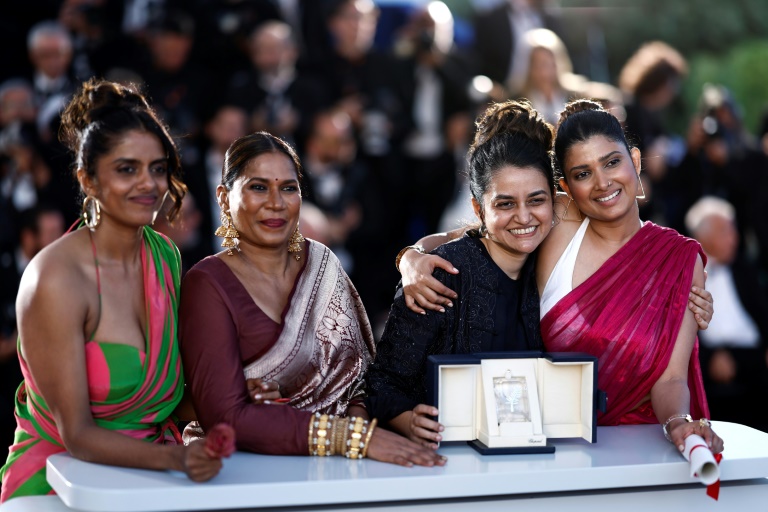
The Indian film industry, known globally for its extensive output and riveting narratives, is experiencing a significant shift as more women filmmakers emerge to reshape the landscape. Traditionally dominated by male-centric storylines, this vibrant sector is beginning to embrace a broader spectrum of perspectives, particularly those of women.
Reema Kagti, a prominent writer-director, highlights this transformation, stating, “More and more women are writing their stories, turning them into films.” She emphasizes that these narratives offer a “real and healthy perspective,” introducing viewers to complex female characters who assert control over their narratives.
India’s film industry produces an impressive 1,800 to 2,000 films across more than 20 languages each year, with Hindi-language Bollywood encompassing one of the largest portions, contributing over 300 productions. Yet, despite this high output, many films have historically depicted women in limiting roles, often relegating them to the status of passive housewives or mothers.
A 2023 study by the Tata Institute of Social Sciences (TISS) reveals troubling trends, noting that female characters in leading Indian films are frequently portrayed as romantic interests, often showcasing “fair skin, thin body types, and limited screen time.”
Despite these challenges, a wave of acclaimed films directed by women is gaining traction both internationally and at home. For instance, “All We Imagine as Light,” a Malayalam film chronicling an intergenerational friendship between nurses, achieved a historic milestone by being the first Indian entry to win the Grand Prix at the 2024 Cannes Film Festival.
Director Payal Kapadia articulates her commitment to authentic representation, distancing herself from conventional portrayals that amplify “unrealistic standards set by society.” Instead, she seeks to depict women in a manner that reflects their genuine, everyday experiences.
Kiran Rao’s “Lost Ladies” (or “Laapataa Ladies” in Hindi), India’s official submission for the 2025 Oscars, further indicates a cultural shift. This comedy challenges conventional views on marriage and womanhood, underscoring a growing appetite for diverse narratives, even amidst a competitive cinematic landscape.
Inclusive Narratives in Mainstream Cinema
This shift is not limited to independent or arthouse cinema. Successful mainstream films that feature strong female leads are resonating with audiences. “Stree 2,” a horror comedy starring Shraddha Kapoor, shattered box office records in production year, outpacing even Shah Rukh Khan’s blockbuster “Jawan.” Likewise, “Crew,” a heist comedy centering on flight attendants, has also been recognized as a victory for women-oriented narratives.
Despite these advancements, challenges persist. Actor-producer Dia Mirza notes that while the increasing presence of female directors and writers is encouraging, “Women still face challenges in telling stories from their perspective.” This illustrates the ongoing need for institutional support and resources.
Films such as “Mrs.,” released in February, tackle themes of societal conditioning and the often-overlooked labor of newlywed housewives. According to sociologist Lakshmi Lingam, the absence of backlash against such portrayals may indicate a receptive audience. “The voices of women saying, ‘Yes, this is true and I can see myself there’ is very high,” she explains.
Gradual Progress in Film Production
Industry reports suggest gradual progress in gender representation within the film sector. A recent study shows that 15 percent of Indian films surveyed employed women in key production roles in the previous year, an increase from 10 percent in 2022.
Konkona Sen Sharma, an advocate for women in cinema, expresses cautious optimism about the future, although she acknowledges that “we still don’t have enough women in positions of power.” Filmmaker Shonali Bose emphasizes the need for financial backing and independence for female directors to produce innovative stories.
Despite the progress, Lingam warns that mainstream films remain predominantly male-oriented, often perpetuating misogynistic narratives. Producers, she notes, frequently intervene to alter original stories, sometimes replacing female protagonists with male characters to create more “market-friendly,” larger-than-life figures.
