


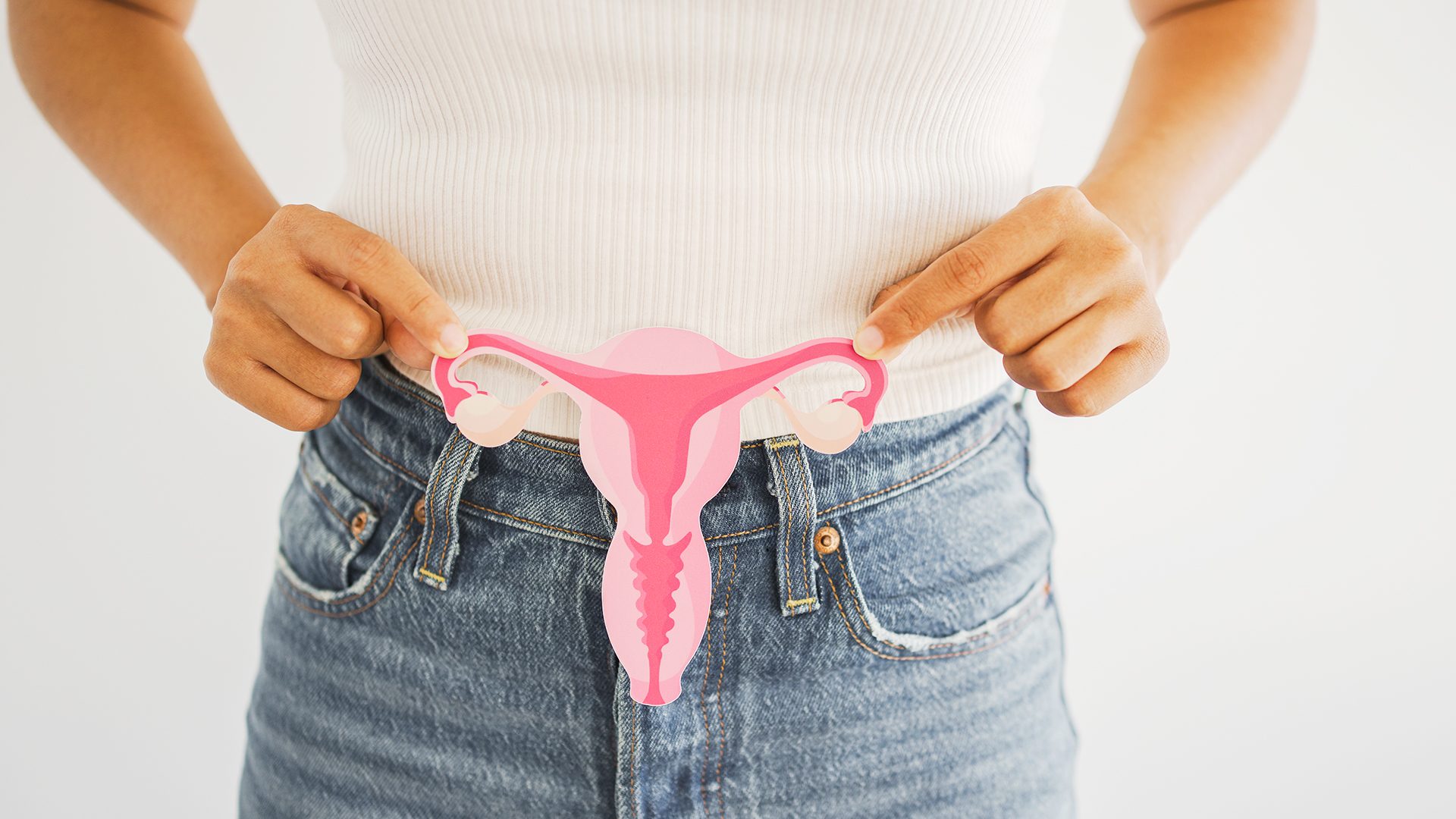
The New Narrative of Menopause: Empowerment Through Understanding
Understanding Menopause
Menopause, a term introduced in 1821, signifies the conclusion of a woman’s reproductive phase, generally occurring between the ages of 45 and 55. The World Health Organization notes that this stage is marked by the cessation of menstrual cycles for 12 consecutive months, resulting from the ovaries no longer releasing eggs.
Nevertheless, some women may experience menopause earlier—before the age of 40—due to factors such as genetics, autoimmune disorders, or medical interventions like chemotherapy. This transitional phase varies significantly among women and is informed by individual health, lifestyle choices, and environmental influences.
A New Perspective on Menopause
Historically, menopause has been viewed as a discrete and often stigmatized passage in a woman’s life, seldom discussed openly. However, with growing awareness and advances in medical science, this view is rapidly changing. New treatments, including bioidentical hormone therapies, are empowering women to take control over their health during this stage, leading some to refer to it as a “second puberty.”
The Role of Wellness Centers
The increasing openness regarding menopause highlights the demand for dedicated wellness centers that offer tailored guidance. Dr. Candy Drilon-Dalman, a physician specializing in Functional and Integrative Medicine, emphasizes the importance of personalized care in navigating hormones during menopause.
Drilon-Dalman states, “Thanks to research and technology, we have bioidentical hormones, which are molecularly identical to what our bodies naturally produce.” Unlike synthetic hormones, which can induce side effects, bioidentical hormone replacement therapy (BHRT) is designed to integrate seamlessly into the body’s hormonal profile.
The Importance of Hormonal Balance
Experts advocate for a more nuanced understanding of a woman’s hormonal balance. Dr. Venisse Valdez from Centro Holistico explains that hormones act as crucial messengers in the body. As such, personalized hormone testing, lifestyle mapping, and holistic therapies are essential in developing effective treatment plans customized to individual needs.
“We don’t just look at lab results,” Valdez adds, highlighting the significance of qualitative factors such as mood and energy levels in assessing hormonal health.
Perimenopause: The Underdiscussed Transition
Perimenopause, often overlooked, can present up to 48 distinct symptoms, including anxiety, insomnia, and changes in libido. Claudine Viquiera, a certified menopause coach, emphasizes that awareness and education are critical for women navigating this phase. Her own challenges with unrecognized symptoms led her to advocate for better understanding of this natural life transition.
“Keep notes. Know your body. Information is power,” she advises, underscoring the importance of self-monitoring in managing symptoms effectively.
Holistic Approaches to Well-Being
Addressing menopause extends beyond hormonal treatments. Drilon-Dalman discusses the impact of environmental toxins on overall health, promoting a concept she terms “low-tox living.” Supporting liver health through nutrition can facilitate better hormone detoxification and promote a more stable mood.
“Health is a mindfulness practice,” Viquiera insists, indicating that self-care routines can play a vital role in maintaining emotional and physical wellness during menopause.
The Generational Connection
Conversations around hormonal health are also shifting to include the intergenerational links between mothers and daughters. Experts note that the increase of earlier puberty signals a need for aligned discussions on health across all ages. Drilon-Dalman identifies lifestyle factors as key contributors to this phenomenon, emphasizing the importance of proactive care from a young age.
Modern Therapies: Safety and Science
The apprehension surrounding hormone replacement therapies can be traced back to earlier studies linking synthetic options to certain health risks. However, contemporary research demonstrates that bioidentical hormones offer a safer alternative, with potential benefits that extend beyond reproductive health, including cognitive and cardiovascular protection.
Medical advancements such as peptide therapy and regenerative medicine are also emerging as viable support systems for women, signifying a more comprehensive approach to health during menopause.
Skincare During Menopause
As women navigate hormonal changes during menopause, their skincare needs may evolve. Recommended routines can help restore skin resilience and hydration:
- Cleanse: Use a gentle facial cleanser to remove impurities.
- Tone: Apply a toner to prep skin for moisture absorption.
- Treat: Utilize serums for targeted treatment of specific skin concerns.
- Moisturize: Lock in hydration with a nourishing cream.
