


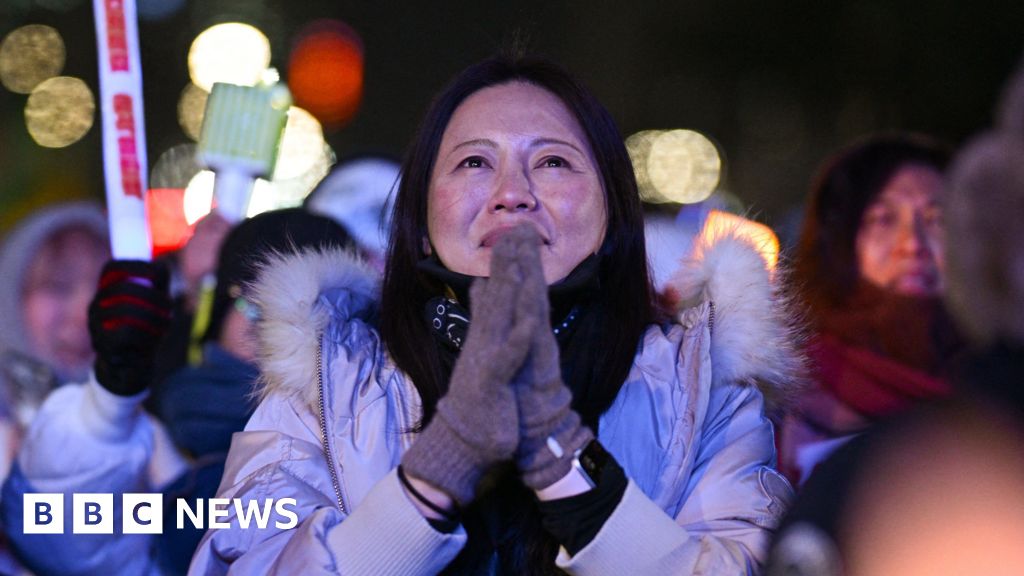
The Role of Women in South Korea’s Political Dynamics
As South Korea prepares for its upcoming presidential election on June 3, the political narrative is heavily influenced by the participation of women in recent protests against former president Yoon Suk Yeol. Their involvement highlights growing concerns regarding gender equality and political representation.
Mobilization Against Martial Law
The protests erupted on December 3 after President Yoon announced martial law, a move that sent shockwaves throughout the nation. Among the thousands who took to the streets was 24-year-old Byunghui, who felt compelled to join the demonstrations and traveled from Daegu to Seoul. The protests quickly became a platform for young women to voice their frustrations against a president who claimed that South Korea was free of sexism while evidence of discrimination abounded.
As Byunghui noted, the protests were not just reactions to Yoon’s declaration but also a broader denunciation of the systemic sexism women faced. “Our activism felt like it was making a difference,” she expressed. However, approaching elections have brought feelings of invisibility back to many young women, particularly as the main candidates remain silent on gender equality issues.
The Impact of Gender Politics
As the election draws closer, the landscape appears increasingly polarized. While Yoon’s presidency galvanized many women into action, political discourse has shifted in ways that may further marginalize their voices. Both leading candidates have largely ignored the feminist rhetoric, with Yoon’s party previously advocating for anti-feminist policies that positioned men as victims of “reverse discrimination.”
- Young South Korean women represent a significant demographic in protests, with research indicating that a substantial portion of the attendees were aged between 20 and 30.
- A survey revealed that approximately 79% of young men felt discriminated against, showcasing the political schism amongst the youth in South Korea.
Protests: A Turning Point for Women’s Activism
The anti-Yoon rallies turned into significant cultural and political statements, particularly for women. They sang songs like “Into the World” by Girls’ Generation, a hit from 2007 that resonated with their demand for change. The atmosphere was marked by a strong sense of solidarity amidst numerous challenges.
While protests against Yoon attracted widespread participation, many women observed that their concerns were quickly overshadowed in the political arena as the election campaigns unfolded. The absence of women candidates in this presidential race has raised alarms about what this means for women’s representation in governance.
Political Response and Future Challenges
The current political climate reveals a troubling trend for women, as the upcoming election lacks substantive representation. Critics argue that major parties have regressed in addressing women’s issues since the protests, with statements on gender equality becoming more reactionary than proactive. For instance, Lee Jae-myung, the frontrunner from the Democratic Party, initially downplayed gender-specific issues, aiming instead for a broader appeal.
“It feels like our voices are being ignored,” lamented college student Kim Saeyeon, echoing concerns shared by many women activists. Despite high expectations following Yoon’s impeachment, they now fear a return to politics that neglects the issues they fought hard to bring into the public consciousness.
Looking Ahead: The Need for Inclusion
As the electoral process unfolds, women’s rights advocates urge for a focus on policies that truly address inequality. Professionals in women’s studies have raised concerns over candidates’ commitments to changing the status quo, with ongoing calls for initiatives that support better work-life balance and gender parity.
The upcoming elections present a crucial opportunity for women’s voices to be re-invigorated in South Korea’s political dialogue. While the past months revealed the power of collective action among women, it is essential that politicians recognize and respond to the needs and aspirations of these constituents moving forward.
As Byunghui aptly remarked, “If you see the dust on the wall, it sticks with you.” Her words serve as a reminder that the fight for representation is ongoing, resonating throughout South Korea’s political fabric and beyond.
