


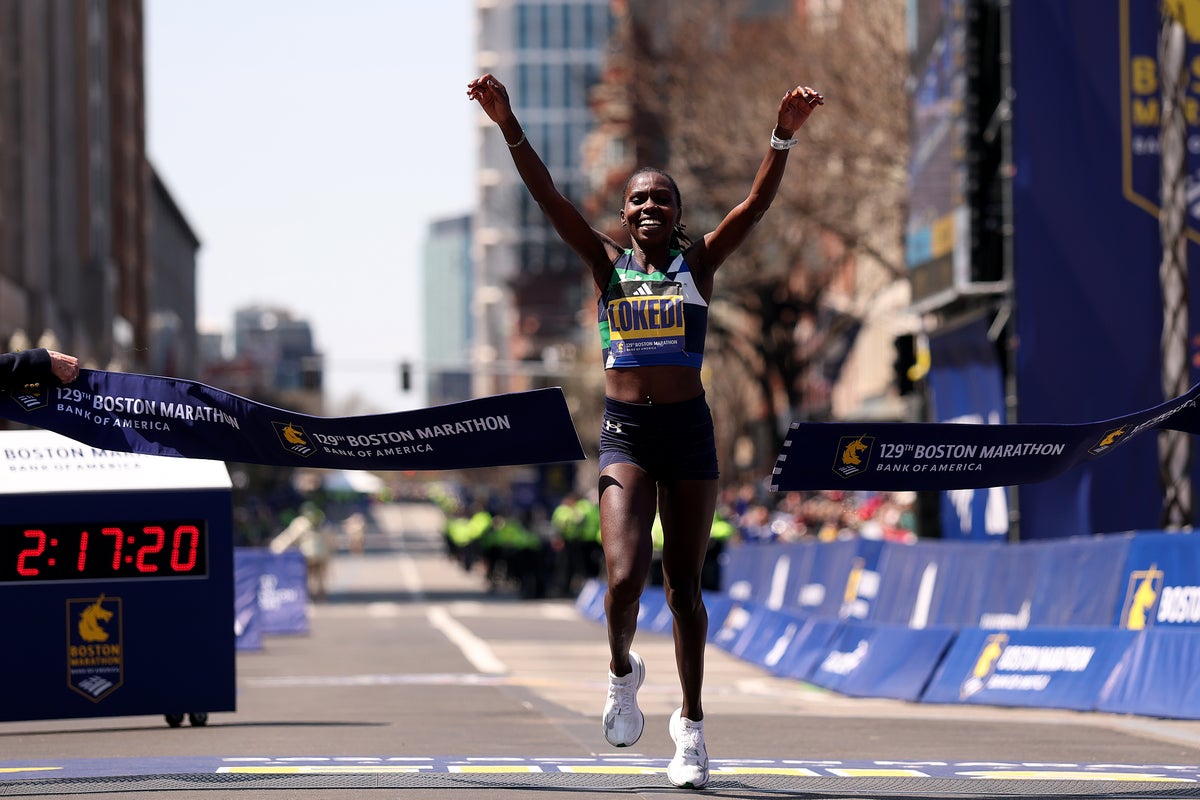
Women Athletes Closing the Performance Gap in Extreme Sports
Introduction
Recent research indicates a remarkable trend in athletic performance: female athletes are closing the gap with their male counterparts, especially in extreme sports such as ultramarathons and Arctic expeditions. A study published in Frontiers in Physiology underscores the evolving landscape of gender performance in athletics.
Historical Context
Traditionally, men outperformed women in many standard athletic competitions. This pattern was particularly evident in events like the Olympic 100m race. Conversely, women showed exceptional performance in sports like shooting and equestrian events. The performance disparity has shown signs of narrowing since the 20th century, with recent findings indicating a rapid convergence in extreme sports.
Key Findings from the Study
One significant observation from the study is the diminishing performance gap in ultramarathons. Notably, the men’s marathon world record, set by Kelvin Kiptum at the 2023 Chicago Marathon, stands at 2 hours and 0:35 seconds. In contrast, Ruth Chepng’etich holds the women’s record at 2 hours, 9 minutes, and 56 seconds—only ten minutes slower.
The research highlights that as distances increase, the performance differences between genders diminish. Female athletes have demonstrated remarkable endurance, successfully competing in ultra-events, sometimes outpacing their male counterparts.
Physiological Advantages in Extreme Conditions
In extreme environments, such as cold weather conditions, women may exhibit greater metabolic efficiency. One study during the Alaska Mountain Wilderness Ski Classic revealed that women utilized less energy than men while carrying the same load, suggesting a physiological advantage during arduous physical challenges.
This phenomenon, termed the “Arctic shift,” implies that women activate heat generation more effectively in cold conditions, potentially leading to reduced energy expenditure under stress.
Breaking Barriers in Participation
While the performance gap decreases with greater participation, the number of elite female athletes in ultra-events is still relatively low compared to their male counterparts. Historical data reveals a roughly 3% reduction in the race durations gap over the past 40 years for events spanning up to 240 hours, indicating a positive trend in female participation in extreme sports.
Future Research Directions
Further studies are underway to explore the physiological underpinnings of female endurance in extreme sports. Researchers plan to analyze various biological samples from participants in demanding events like the Yukon Arctic Ultra, aiming to better understand metabolic resilience under physical and nutritional stress.
