


The Boston Marathon: A Historical Overview of Resilience, Challenges, and Triumphs
Since its establishment in 1897, the Boston Marathon has carved its place as the world’s oldest annual marathon. Beginning with a modest cohort of just 18 local participants, this iconic event has expanded exponentially, reaching nearly 32,000 entrants in the 2025 race, a significant milestone marked by a diverse group that includes nearly half identifying as women.
The Evolution of Women’s Participation
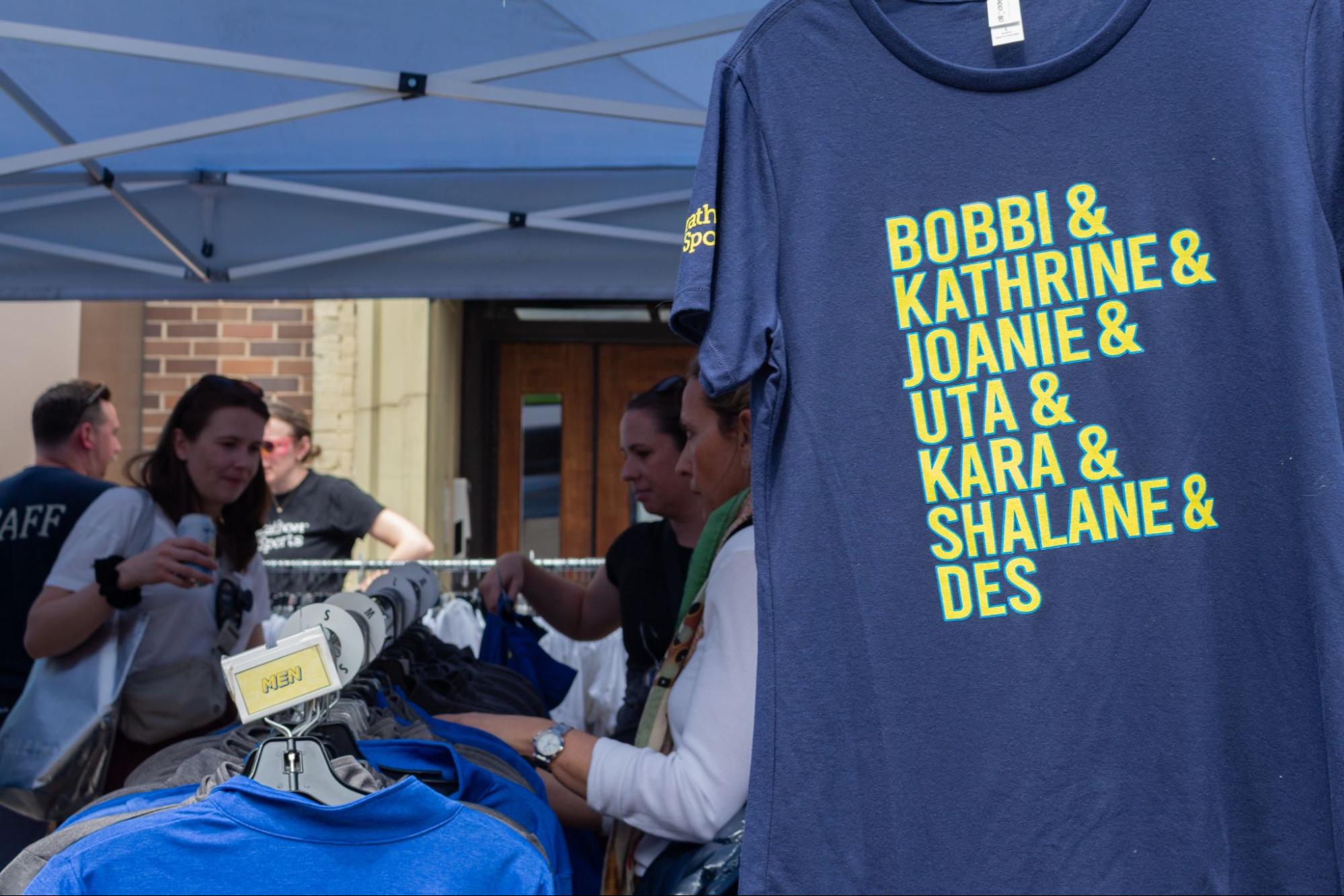
Although the marathon has seen substantial growth in female athletes, their formal inclusion is a relatively recent development, having been permitted only since 1972. The early pioneers of women’s marathon running have now become iconic figures celebrated during Boston Marathon activities.
- Roberta ‘Bobbi’ Gibb: In 1966, she became the first woman to finish the full marathon, remarkably sneaking onto the course disguised in her brother’s clothing.
- Kathrine Switzer: Recognized as the first woman to officially register for the race, she entered using her initials to avoid detection as a female runner.
- Joan Benoit: She made history by setting an American women’s record in 1979, surpassing the all-gender record by over eight minutes, and later became the first American woman to secure a victory in the Olympic marathon.
These trailblazers’ tenacity and courage have served as an inspiration for countless female athletes. However, their exclusion from the event’s early years remains a poignant reminder of the challenges women faced in pursuing competitive running.
Voices of Inspiration in Modern Times
Crystal Chinea, participating in her third Boston Marathon on April 21, emphasizes the ground-breaking spirit of these female runners. “When Kathrine Switzer, when Bobbi Gibb, even Joan Benoit, when they were at their peak, running, it wasn’t common. Women didn’t go out and run in the streets,” shared Chinea. Her own journey illustrates the transformative power of running, helping her break away from societal expectations in her hometown of Fort Worth, Texas.
“For me, [running marathons] was about breaking out of that mold and showing people what I’m capable of doing,” Chinea added, underscoring how her role models influenced her determination and achievements as a runner.
Historical Reflections and Community Spirit
Patricia Soden, a 63-year-old nurse manager from Florida and a member of the Boston Quarter Century Club, has participated in 32 consecutive Boston Marathons. Soden remarked on the growing community of female runners, stating, “The community of women here [in Boston] is wonderful. There are definitely a lot more [women at the marathon] right now because there is not a fear anymore.”
Having first qualified in 1993, Soden will honor her late husband Bert during what she intends to be her final Boston Marathon, reflecting on the profound personal meaning behind the event.
Tragedy and Resilience
Not all memories associated with the marathon are joyful. The 2013 event was marred by tragedy when two bombs exploded near the finish line, claiming three lives and injuring over 500 individuals, marking a significant terrorist attack in U.S. history.
Susan Griffith, an orthopedic surgeon, vividly recalls her experience during that race, having finished mere minutes before the incident. “When I ran Boston in 2013, I ran a great time… but right after I finished the marathon, there was a lot of turmoil,” she stated, describing the confusion and fear that engulfed the atmosphere following the explosions.
In a heart-wrenching twist, Griffith later operated on a high school friend who was injured during the attack. Recovering from the trauma of the bombing, she, alongside her friend Amy O’Neill, decided to return to run the marathon the following year, turning a moment of sorrow into an act of resilience and support for the victims.
The Future of Women in Running
As the countdown to the 2025 Boston Marathon continues, newcomers like Vaidehi Patel prepare to make their mark. A second-year computer science student at Valparaiso University, Patel views her participation as a personal escape from the pressures of academic life. “Running is an escape pretty much from everything that’s going on,” she explained, showcasing how the legacy of female athletes has inspired her determination to compete.
“You see all these women breaking records like Benoit. We have that in us. It’s not like we don’t,” Patel concluded, affirming the strength and capability of women in distance running.
As the Boston Marathon continues to adapt and grow, it remains a symbol of perseverance and unity, celebrating the legacy of its past while embracing the invigorating spirit of its future participants.
