


The Rise of Women in Running: Stories and Insights
In recent years, running has become an increasingly popular activity among women, serving as a means to improve fitness and mental well-being. Milly Meany, who previously prioritized social outings over exercise, exemplifies this shift. At 30, she runs three times a week, has completed her first marathon, and plans to tackle two more next year, resulting in a total weight loss of three stone.
Growing Participation Among Women
The number of women engaging in running has more than doubled on the exercise-tracking application Strava since before the pandemic. Recent statistics from the London Marathon show a nearly even split in male and female applicants, a noteworthy development that suggests a significant change in the sport’s demographics.
The Personal Impact of Running
For many, like Meany, the benefits extend beyond physical fitness. “Running really has changed my life and wellbeing drastically,” she notes, emphasizing the empowerment and self-discovery that comes with setting and achieving running goals.
Similarly, author Bella Mackie, whose book Jog On: How Running Saved My Life details her journey, turned to running after facing anxiety and panic attacks post-divorce. “When I was running, focusing on my breathing, I didn’t have time to have a panic attack,” she shares, highlighting running’s therapeutic effects.
Increased Awareness of Mental Health
Research indicates that women are nearly twice as likely to experience anxiety compared to men, which might explain the surge in female runners. Mackie suggests running offers a straightforward way for women to alleviate anxiety.
Building Community Through Running
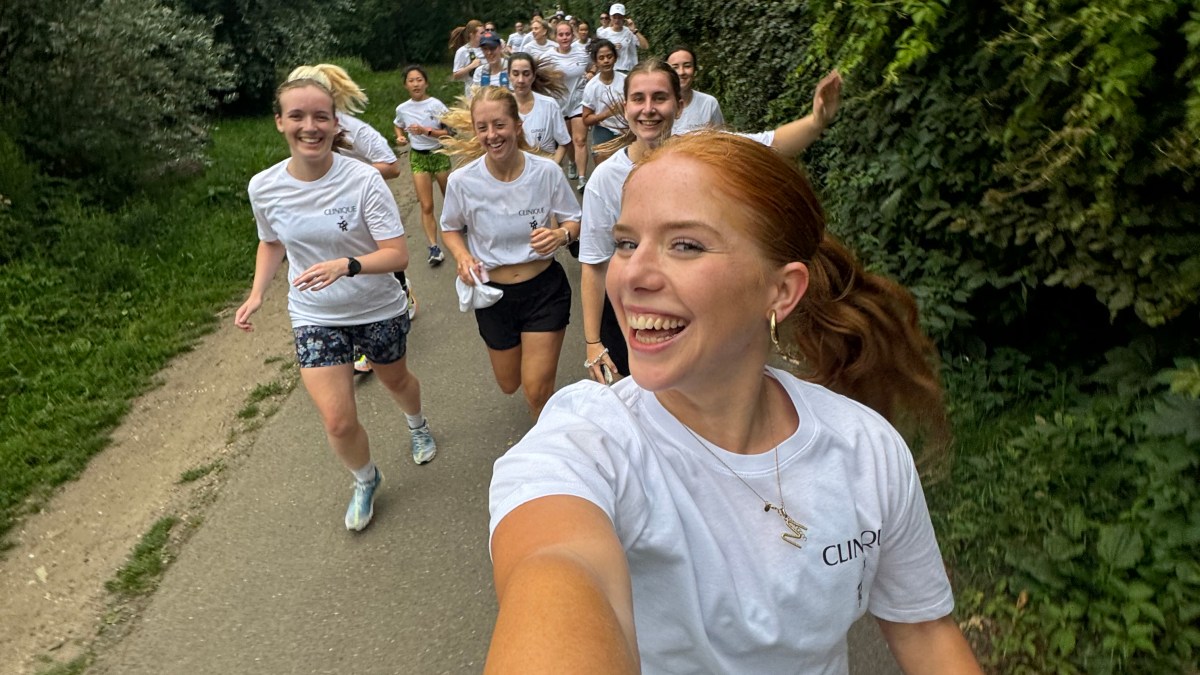
For some, such as 27-year-old Molly Slater-Davison, running represents more than just exercise; it fosters a sense of community. She founded “These Girls Run,” a women-only club that encourages social interactions among participants. The club, which has expanded to nine cities in the UK, attracted over 11,000 women last year.
Alternative Social Activities
Running clubs often combine fitness with social events, such as the Croissant Run Club in London, which indulges both runners and pastry lovers. Events like “Friday Night Lights,” where participants run in vibrant apparel while holding glow sticks, also illustrate the innovative ways people are reimagining running as a social activity.
Concerns Over Safety and Injuries
While running provides numerous benefits, safety is a crucial issue, especially for women. Running in groups can deter potential harassment, as noted by Slater-Davison, who experienced an unsettling incident post-run. Furthermore, considering the sport’s high impact nature, experts advise that older women should adjust their running habits to maintain joint health, especially post-menopause.
Breaking Barriers in Competitive Running
The landscape of competitive running is also changing. Katie Beckingham, 29, has taken on ultra marathons, enjoying her experiences despite the challenges. Organizations like SheRaces work to make competitive running more accessible for women, addressing needs such as facilities and products related to menstruation during races.
Embracing Diversity in Running
In conclusion, as more women step into the world of running, a diverse range of participants is emerging, each celebrating their unique journeys. Meany encapsulates this sentiment: “There’s the ones with the six pack, there’s the curvier ones, the slower ones — you don’t have to care about PBs as long as you enjoy it.”
