


Women Leading the Charge Against Immigration Raids in Los Angeles
In recent days, the streets of Los Angeles have witnessed an overwhelming wave of protests sparked by immigration raids conducted by the Trump administration. The situation escalated when ICE agents targeted a Home Depot parking lot and a local clothing factory, detaining over 40 immigrant workers. This aggressive action has mobilized thousands of residents who are determined to stand against the threat of deportation and injustice.
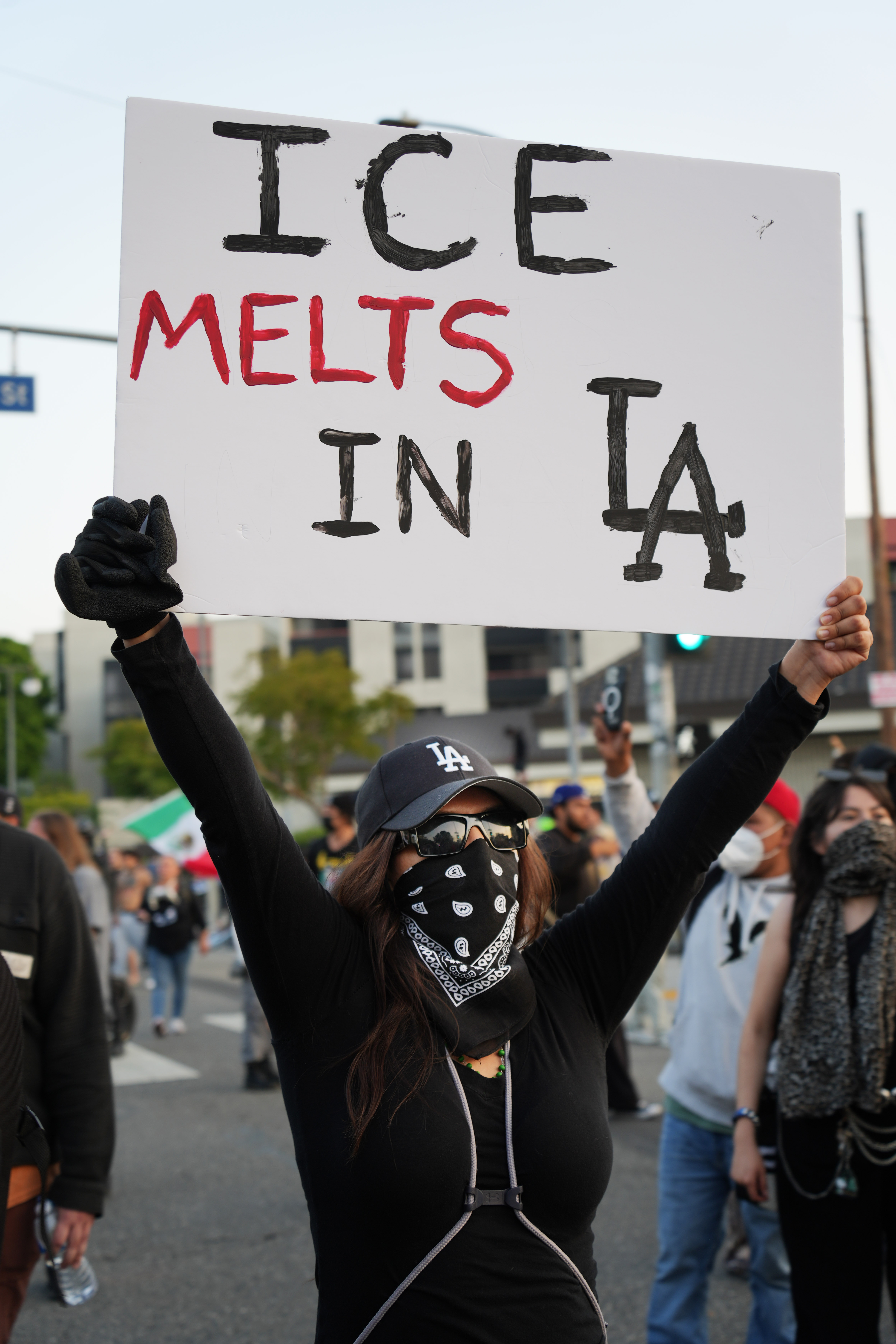
Women have emerged as a prominent force at these demonstrations, actively leading marches and confronting authorities. Their commitment is palpable, as seen in the messages on their signs: “ICE Melts in LA,” “Families Belong Together,” and “No Human Being Is Illegal.”
The Spark of Action
The protests began after an initial raid that shocked the community. The following day, tension escalated further, with police deploying tear gas in response to the unrest. In a move to suppress the growing demonstrations, President Trump ordered 2,000 National Guard troops to the area. Mayor Karen Bass described the city as a “tinderbox,” underscoring that concerns previously discussed in quiet corners have now ignited a larger movement.
Voices from the Ground
Marie Claire enlisted photojournalist Allison Lau to document the resilience among the women at the forefront of this movement. The impact of their stories is conveyed through both words and images.

“I’m here in solidarity,” says Annika. “It really upsets me seeing kids torn from their families. I hope [us mobilizing] can start the ball rolling on getting Trump out of office.”

“My father was once deported. I know what it’s like to have your family ripped apart,” shares Cynthia Carlos. “I have a voice for myself, for my parents, and for my son who’s going to grow up [in this country].”

“We’re here to say: ‘We’re not scared,’” states Araceli Martinez. “All these people—the working class people that were welcome to the country, that were already in this country and on this land—we all built this.”
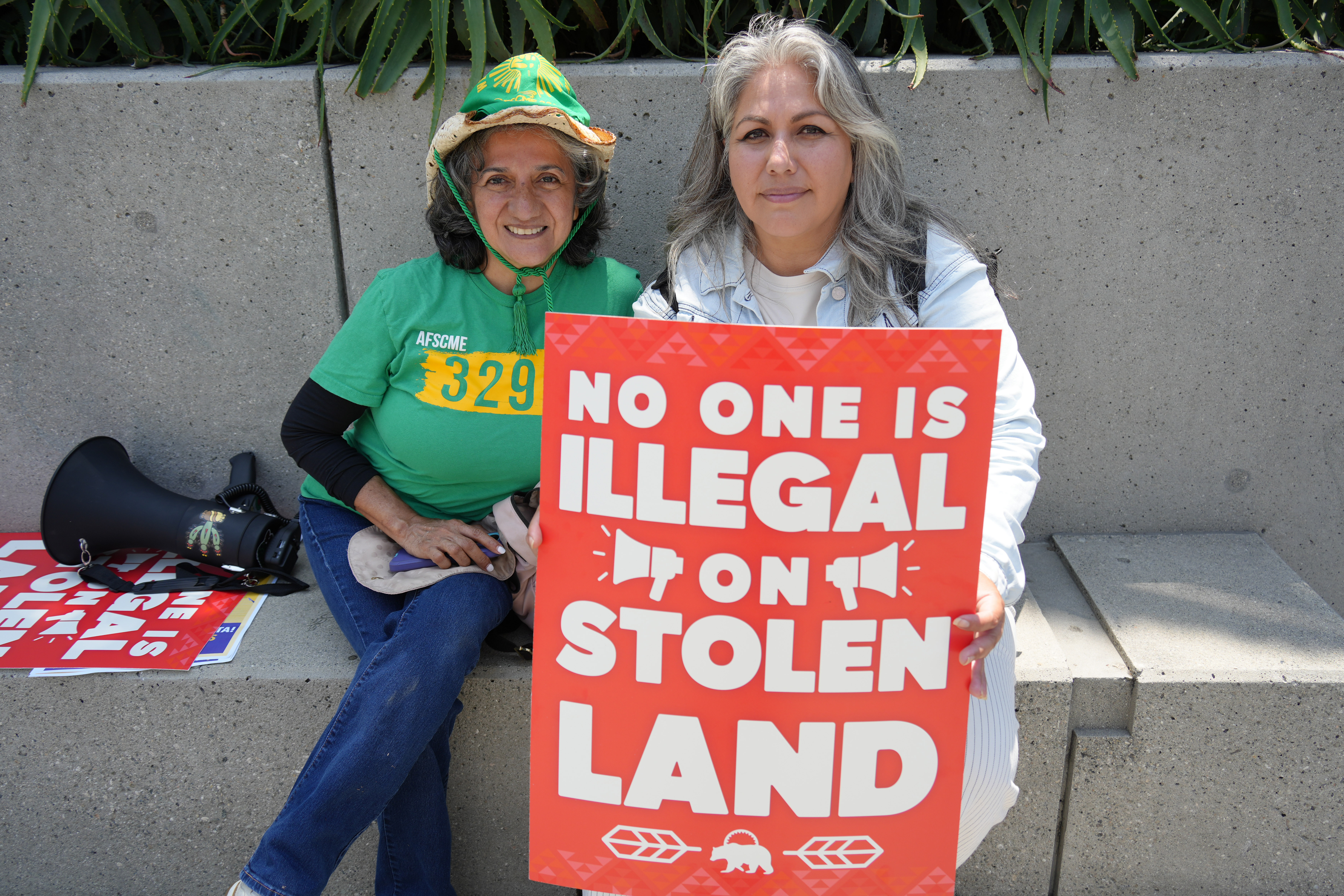
“We have the right to migrate on our own ancestors’ land,” asserts Libertad, emphasizing the need to understand the historical context of these actions. “Whether you’re detribalized or not, we all have the right to be here.”
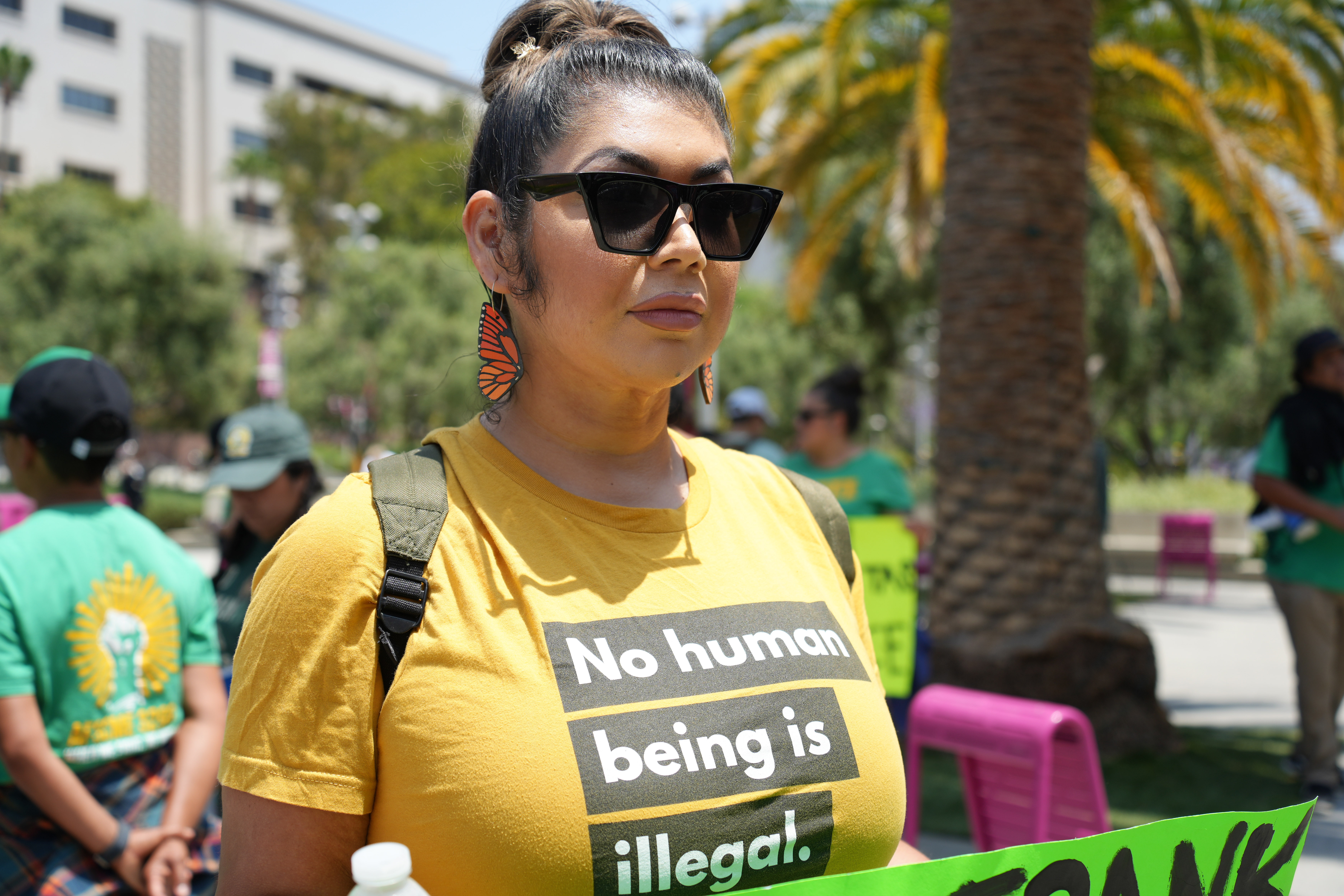
“I am a child of immigrants—one parent was deported when I was 10, and that had a lasting impact. By the time he came back, I was already a mom and he was a grandpa. You can never get that time back,” reflects Monica De Leon.
Scenes from the Protests
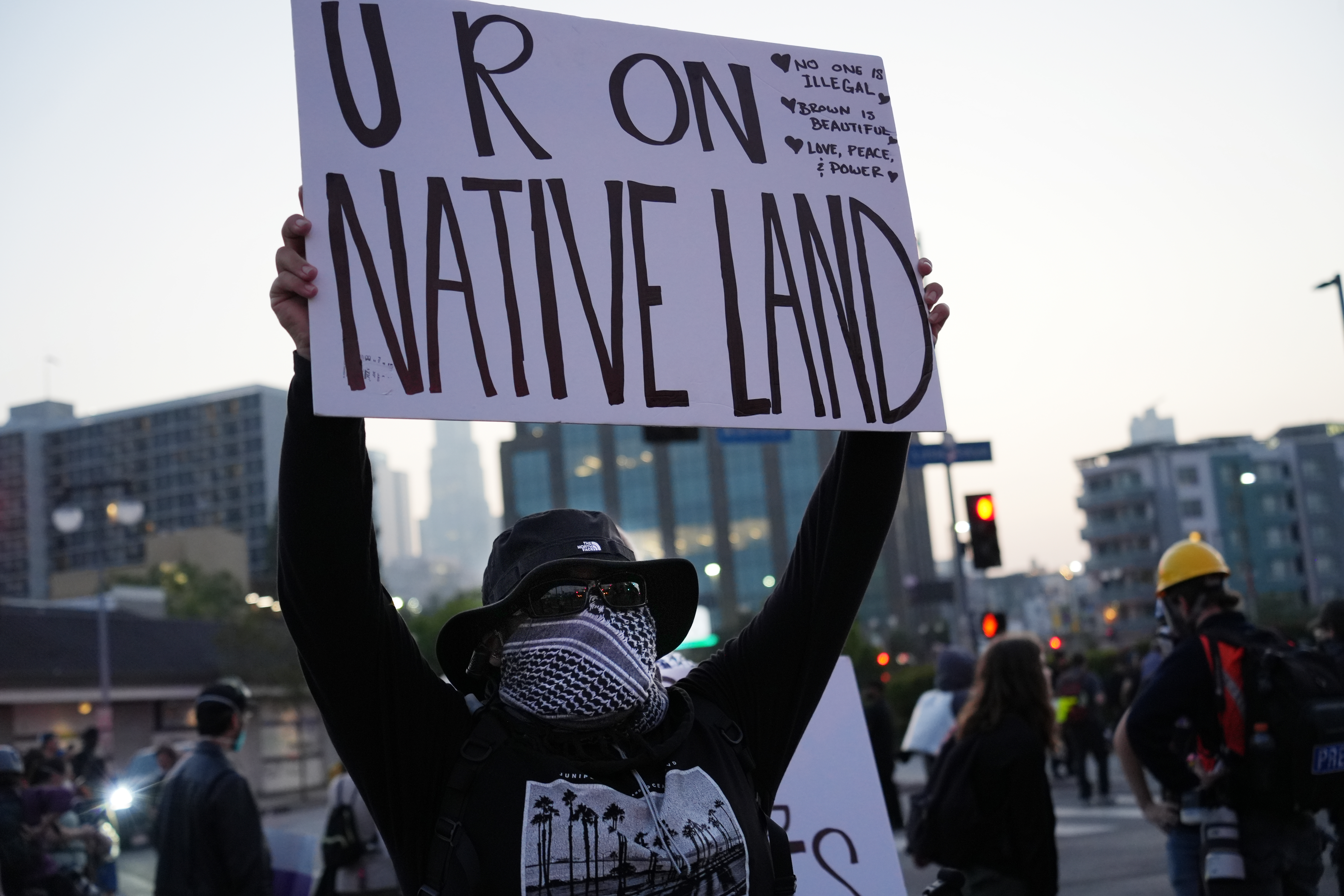
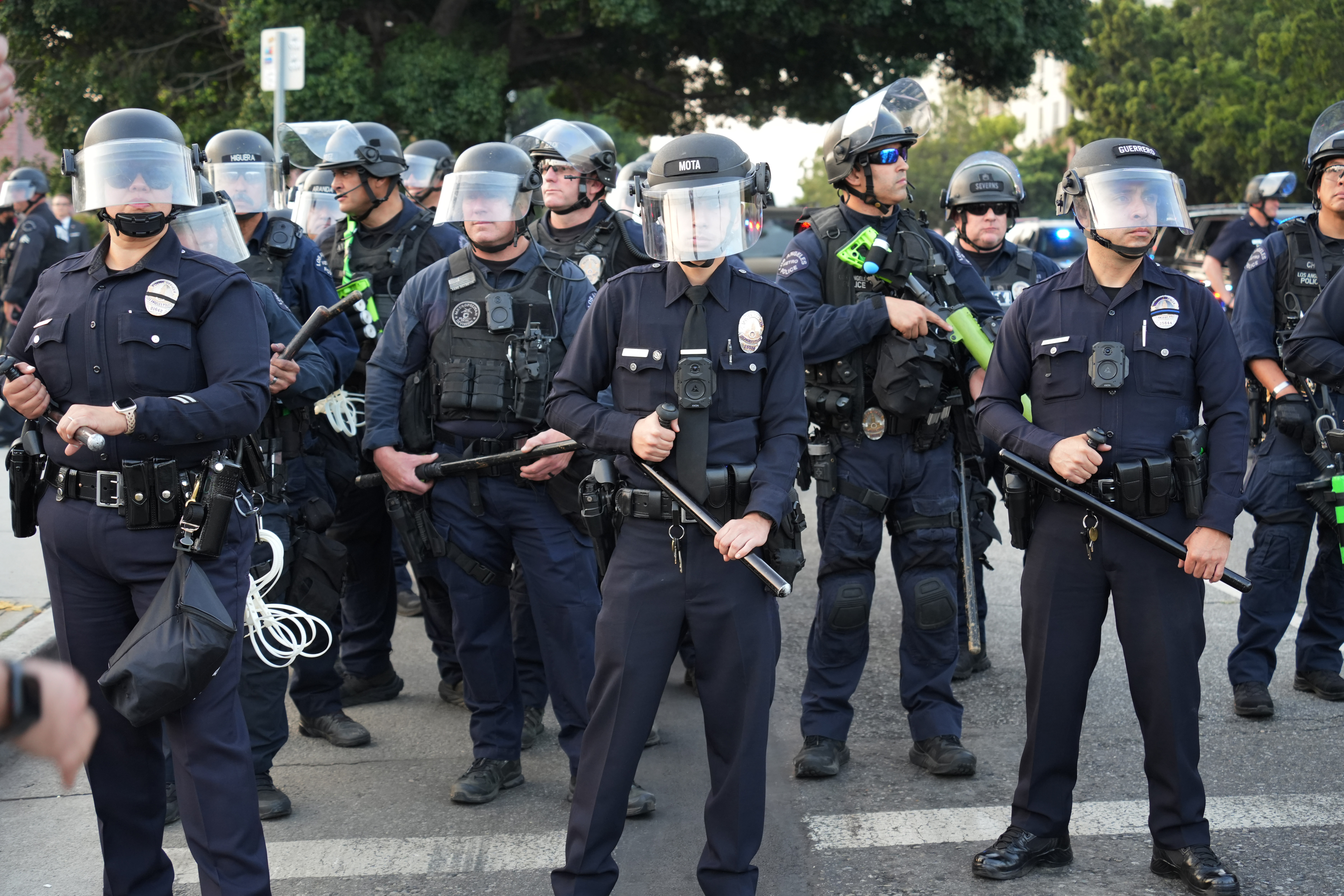
The visuals captured during these protests tell their own story, filled with moments of defiance and unity. From demonstrators holding signs to the police presence attempting to control the situation, the contrasting emotions of hope and fear are evident.

Conclusion
The demonstrations in Los Angeles highlight a community’s resolve against immigration policies perceived as unjust. As women take the lead, their voices reflect the collective desire for justice, belonging, and change.
