


Women Climate Leaders Demand Action Ahead of COP30
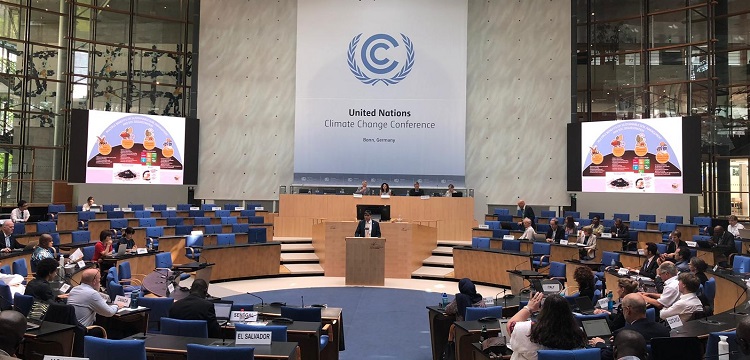
On June 11, 2025, a group of prominent women climate leaders convened a press conference to urge global governments to adopt concrete climate measures amidst increasing political conservatism and pro-fossil fuel policies. Their statements come just before a critical gathering in Bonn, Germany, as negotiators prepare for the forthcoming COP30 meeting in Brazil.
The Urgency of Climate Action
As the effects of climate change become increasingly severe, the leaders emphasize the critical need for immediate, science-based solutions. Osprey Orielle Lake, Founder and Executive Director of the Women’s Earth and Climate Action Network (WECAN), pointed out the alarming frequency of extreme heat events across regions including Brazil, the U.S., and Central Asia. “This is not just an environmental crisis; it is a justice crisis and a societal crisis,” stated Lake, as she highlighted the importance of centering effective climate leadership.
Impact of Authoritarianism on Climate Policy
Lake further articulated the detrimental relationship between a lack of ambitious climate initiatives and the global rise of authoritarianism, particularly in the United States. “When democracy is weakened, climate justice becomes nearly impossible,” she noted, linking the suppression of free speech to the barriers faced in addressing climate action.
Key Priorities for COP30
At the press conference, speakers like Canadian Senator Rosa Galvez outlined essential objectives for climate action leading up to COP30:
- Phasing out fossil fuels
- Promoting a just transition for affected communities
- Safeguarding forests and biodiversity
- Ensuring gender equity in climate policies
Senator Galvez emphasized that the reliance on fossil fuels is fundamentally driving global warming, leading to more intense weather events. “COP30 must be the critical turning point in redefining the future of our planet,” she asserted, stressing the need to act decisively against fossil fuel dependence.
Indigenous Perspectives in Climate Action
Watatakalu Yawalapiti, an elected leader of the Women’s Movement of the Xingu Indigenous Territory in Brazil, reinforced the unique insights of Indigenous women in climate discussions. “In the Indigenous world, there are no owners of Nature,” she expressed, highlighting their continuous commitment to environmental protection despite systemic challenges. Yawalapiti emphasized the role of grassroots mobilization, stating, “we don’t have time to wait for the government.” Her perspective reflects a broader call to action from Indigenous communities worldwide.
Memorable Milestones Ahead
As COP30 approaches, it will mark two significant anniversaries: the 20 years since the Kyoto Protocol and the 10 years since the Paris Agreement’s adoption. Zukiswa White, a Social Justice Consultant from South Africa, pointed to the urgent need for accountability as the world faces climate crisis deniers. “We must amplify calls from feminist advocates and Indigenous leaders,” White urged, advocating for genuine solutions rather than distractions.
The Role of African Forests
Neema Namadamu, Founder of Hero Women Rising and an advocate from the Democratic Republic of Congo, shared her insights on the importance of the Congo rainforest. Known as the second-largest rainforest after the Amazon, it plays a crucial role in climate mitigation. Namadamu mentioned efforts to plant trees using traditional methods, emphasizing, “Without justice, there is no work we can accomplish. Climate justice is humanitarian justice.”
Conclusion
The upcoming COP30 provides a pivotal opportunity for global leaders and local advocates alike to unite in addressing the escalating climate crisis. The collective voices of women, especially those from vulnerable communities, highlight the pressing need for equitable and inclusive climate strategies as the world races against time.
