


Reflections on Female Leadership: Insights from Nicola Sturgeon’s Memoir
Nicola Sturgeon’s tenure as Scotland’s first female first minister was marked by her profound fear of failure, particularly the kind that often accompanies success. In her new memoir, she reveals that this anxiety became “almost an obsession.” Women who break barriers, whether as leaders or in other domains, often feel acute pressure; they become representatives of their gender, evaluated on whether they confirm or defy stereotypes regarding women’s capabilities.
The Burden of Representation
As the first woman in a prominent political role, Sturgeon faced a complex challenge. She had to navigate the expectations placed upon her, not just to perform effectively but also to share personal experiences. For instance, her discussions about managing symptoms of menopause while in office exemplify the larger expectation for women leaders to address issues that resonate with female constituents. Sturgeon expressed surprise at the dearth of literature addressing such topics among senior politicians, indicating a gap in shared experiences that might support others in similar positions.
Public Perception and Political Polarization
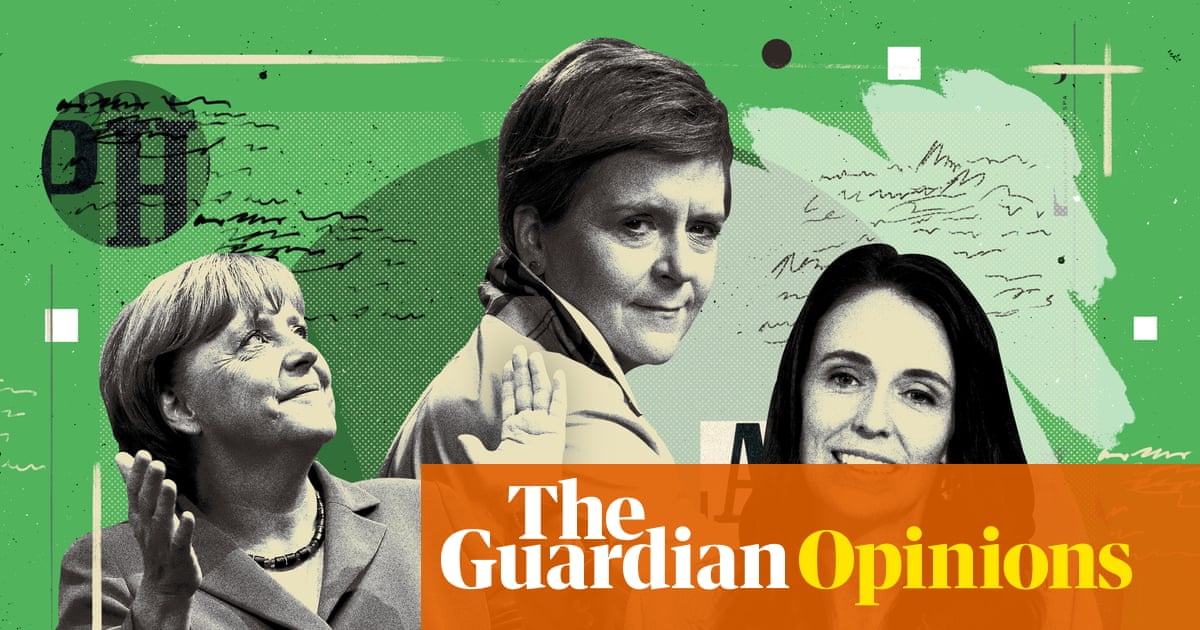
Sturgeon, alongside other female leaders like Jacinda Ardern and Angela Merkel, initially inspired many with what some labeled a new, compassionate form of leadership. Each leader gained admiration for their empathetic responses to crisis: Merkel’s welcoming stance towards Syrian refugees, Ardern’s unifying leadership after the Christchurch attacks, and Sturgeon’s vocal opposition to Brexit. However, over time, all three became polarizing figures within their political landscapes—reflecting the fractious nature of contemporary politics.
A Shift in Attitudes and Expectations
The celebrity-like elevation of these leaders often overlooked the everyday realities faced by constituents in their respective countries. Observations from journalists, including Scottish commentator Alex Massie, suggest that while English observers admired Sturgeon, the Scots were more acutely aware of her governance’s limitations. For example, despite commendable leadership during the pandemic, Scotland’s mortality rates did not significantly outperform those of England, raising questions about the effectiveness of her policies amidst global health crises.
Learning from Experience
This narrative poses a significant lesson: elevating women solely based on their gender without assessing their performance can be misleading. Politics necessitates accountability regardless of the leader’s gender. As society progresses, there is hope that future female leaders will be judged on their achievements rather than their identities alone. The experiences of Sturgeon and her contemporaries could pave the way for such an evolution in attitudes, leading to a more nuanced understanding of women’s roles in leadership.
Conclusion: Looking Forward
The memoirs of Sturgeon, Ardern, and Merkel symbolize not merely their individual narratives but a broader commentary on women’s representation in leadership roles. While these leaders demonstrated that women can occupy high office, the outcomes of their tenures remind us that effective governance transcends gender. As younger generations of women seek to assert their presence in politics, the conversation must shift from simply placing women in power to ensuring they are equipped to deliver meaningful results.
