


RALSTON, Neb. (KMTV) – The landscape of agriculture is evolving, with women increasingly stepping into roles traditionally dominated by men. Recent statistics indicate that women now represent approximately one-third of all farmers and producers in the U.S., marking a significant shift in the agricultural community. In Nebraska, there has been a notable 7% increase in female participation in farming since 2017.
Stefani Yost: A Unique Journey in Agriculture
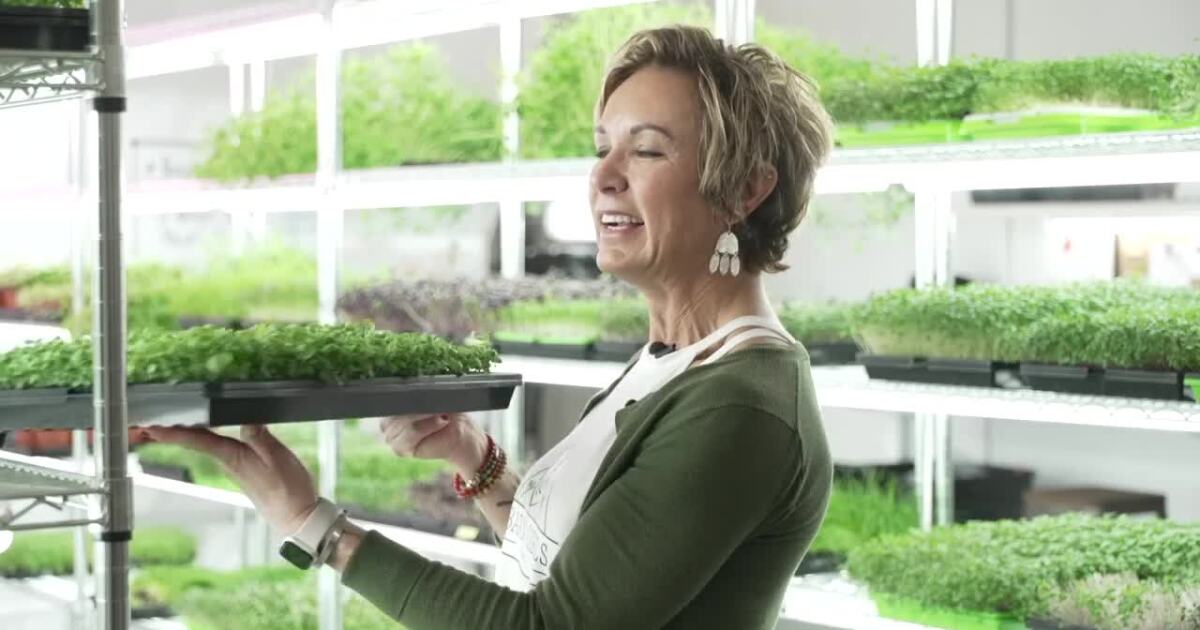
Stefani Yost, co-owner of Barn Girls Farms, exemplifies this change. While she originally distanced herself from agriculture after leaving her family farm, her journey has come full circle. “It’s interesting how things come full circle even though it wasn’t the intention,” Yost remarked.
Yost and her husband, Gunner, began cultivating microgreens—edible seedlings of various vegetables and herbs—in their home. Their enthusiasm for agriculture eventually led to the establishment of Barn Girls Farms, which features a store offering homemade goods alongside a greenhouse where they grow their crops.
Continuous Harvest and Community Engagement
Operating a greenhouse involves a perpetual cycle of harvesting and replanting. “It has to be harvested, cut down, and then we start again. It’s a constant job, but it’s satisfying to see what we are making,” Yost explained. Although her approach to farming may differ from traditional methods, her impact on the industry is evident.
Women in Agriculture: A Growing Presence
According to data from the USDA, female farmers are responsible for over $222 billion in agricultural sales, predominantly in livestock with smaller animals, specialty crops, and greenhouse operations like Yost’s. “It’s empowering to be able to talk with other people, tell them what we are doing,” she emphasized, highlighting the importance of community within her work.
The Increasing Role of Women in Nebraska’s Agriculture
Jessica Groskopf of Nebraska Women in Agriculture noted the significance of this trend, stating, “The agriculture industry in Nebraska is the largest in the state and it accounts for one in four jobs in the state. So we know women play an important role not only as farmers and ranchers but in agribusinesses as a whole.”
Groskopf expressed enthusiasm about the progress made in recognizing women’s roles in agriculture, a sentiment echoed by Yost as they both witness the growing number of women entering the industry.
Conclusion
As Barn Girls Farms continues to develop its production capabilities, Yost remains optimistic about the expanding involvement of women in agriculture. This evolving demographic underscores a broader cultural shift within the farming community and reaffirms the invaluable contributions women make in this vital sector.
