


Bangladesh’s Evolution: Women’s Central Role in Political Change
On August 5, 2024, Bangladesh experienced a significant political shift when Sheikh Hasina resigned from her position as Prime Minister and left the country. This departure marked the peak of a student-led uprising noted for its unprecedented involvement of women in street protests, altering the nation’s political and social landscape.
The Rising Voices of Women
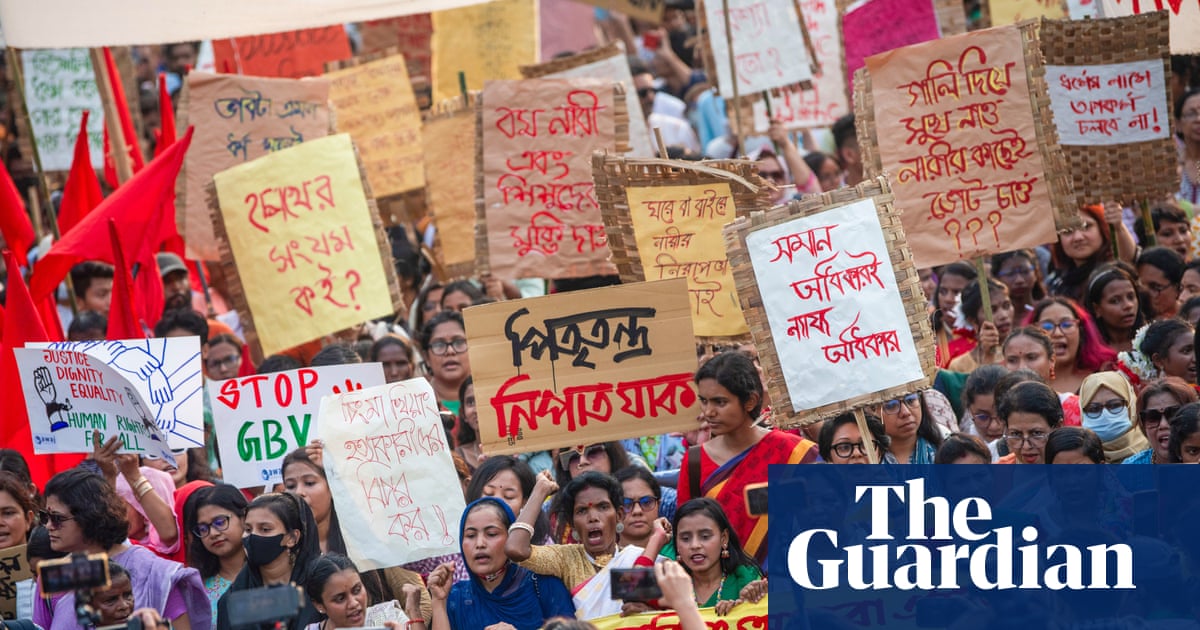
Women demonstrated remarkable courage and resolve during these protests, rallying in large numbers against forces of riot police and military. Their presence has become emblematic of a revolution that seeks to redefine Bangladesh’s governance and societal norms.
The Interim Government and Ongoing Struggles
The uprising paved the way for the formation of an interim government led by Nobel Peace Prize laureate Muhammad Yunus, aimed at stabilizing the country. Despite this political evolution, many women express feelings of being marginalized in the ongoing discourse surrounding their rights and safety. For instance, the Women’s March for Solidarity attracted thousands in May, calling on the government to prioritize women’s issues.
Perspectives from Five Influential Women
1. Umama Fatema: Student Activist
Umama Fatema played a significant role in mobilizing female students from Dhaka University to join the protests, saying, “It is because of women that the movement became a people’s revolution. Without women, none of it would have been possible.” One year later, Fatema reflects on the fractured student movement and the unresolved issues regarding governance and women’s rights that sparked the uprising. She warns, “If women are included merely as tokens, they hold no real power.”
2. Shompa Akhter: Garment Worker and Activist
Shompa Akhter, a dedicated worker in the garment industry, highlights the disparity between rising living costs and stagnant wages. With a monthly income insufficient for her family’s needs, she participated in protests advocating for better wages and working conditions. “We garment workers keep the factories running and yet we are treated as disposable,” she states. Akhter emphasizes that women must occupy decision-making roles to foster real change in Bangladesh.
3. Triaana Hafiz: Transgender Model
Triaana Hafiz, who moved to Dhaka seeking acceptance, encountered harsh realities, particularly concerning discrimination against transgender individuals. “I had hoped that this younger generation of leaders would be more tolerant and inclusive,” she shares. Unfortunately, Hafiz observes a worsening climate of discrimination post-uprising and insists that laws need to protect diverse gender identities.
4. Rani Yan Yan: Indigenous Rights Defender
Rani Yan Yan represents Indigenous rights in the Chittagong Hill Tracts, a region plagued by conflict and military action. She calls for a stop to the culture of impunity concerning violence against Indigenous women, stating, “The interim government must immediately put an end to the culture of impunity.” Yan Yan stresses the importance of establishing accountability within the government to uphold human rights.
5. Samanta Shermeen: Student Activist
As a newly elected senior joint convener of the National Citizen party, Samanta Shermeen champions the active role of women during the uprising while lamenting their subsequent marginalization. She asserts, “If we can’t give women the proper respect and recognition they deserve, the revolution would have been for nothing.” Shermeen remains resolute in her belief that the struggles of women are far from over.
Conclusion: The Path Forward
The aftermath of the uprising in Bangladesh highlights both significant advancements and ongoing challenges faced by women across the nation. The voices of these women—activists, workers, and defenders of rights—underscore the necessity for continued advocacy and reform to ensure their rightful place in the evolving societal framework. As the country reshapes its future, the inclusion of diverse perspectives will be crucial to establishing lasting change.
