


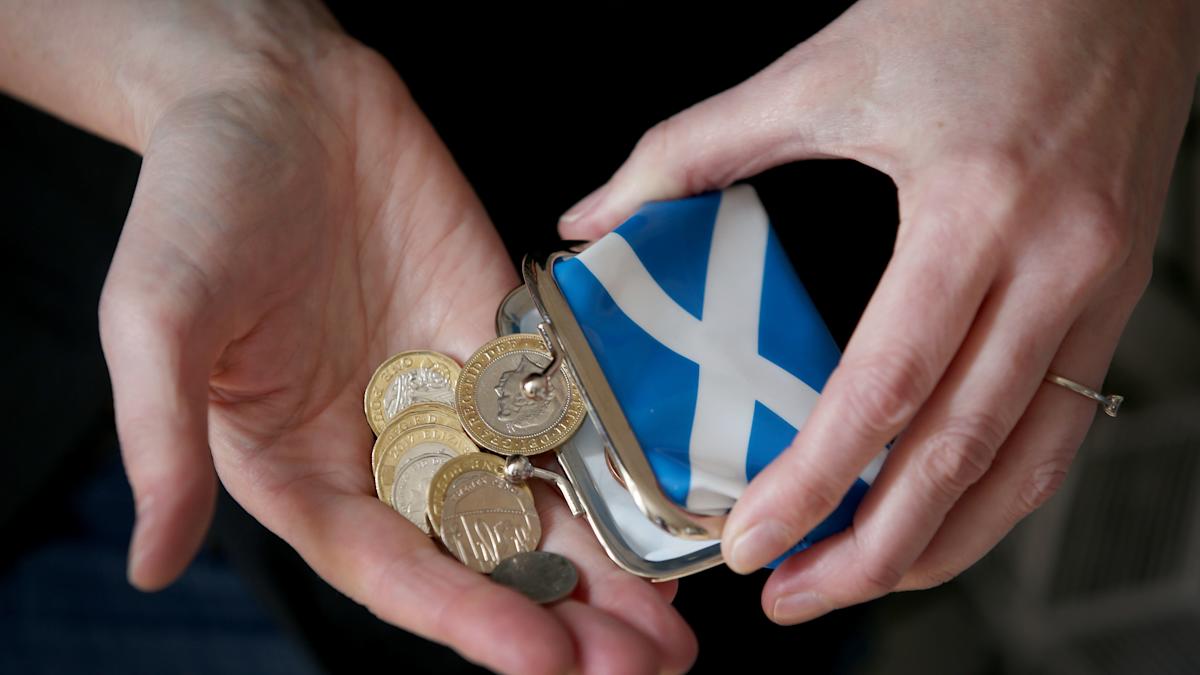
The Alarming Impact of Public Debt on Women in Scotland
Recent findings indicate that women in Scotland are more vulnerable to financial instability due to public debt collection practices. This new research serves as a significant warning for policymakers, according to advocacy organizations.
Key Findings From the Research
A report released by the University of Glasgow, commissioned by Aberlour Children’s Charity, One Parent Families Scotland, and Trussell, reveals critical insights into the financial predicaments faced by women. A thorough analysis was conducted using the anonymized records of 71,000 individuals seeking debt support in Scotland, revealing that:
- 57% of those seeking help with debt are women.
- Women carry a disproportionate share of public debt, including council tax and rental payments.
Financial Hardships Linked to Caring Responsibilities
The research highlights that caregiving roles often contribute to reduced income and diminished financial resilience, thereby increasing the risk of poverty for women. Deductions from benefits aimed at recovering debts can disrupt already tenuous household budgets, exacerbating the financial strain.
Calls for Policy Changes
Justina Murray, CEO of Aberlour, emphasized the urgency of reassessing how public debt is collected. She stated, “We have known for some time how the pursuit and collection of public debt inflicts further financial harm on some of our poorest families. This important research confirms that impact is felt most often by women and those caring for children or other family members.”
Murray advocates for a more humane approach to debt collection, suggesting that authorities should view arrears as an “emergency flare” that calls for intervention rather than additional harm. There are more effective and compassionate methods to address debt recovery.
The Scale of the Issue
Aberlour is particularly concerned that current mechanisms for deducting money from benefits, such as Universal Credit, might be pushing vulnerable families deeper into poverty. The research notes that approximately £221 million is deducted annually from Universal Credit payments in Scotland alone.
Insights from Experts
Professor Morag Treanor from the University of Glasgow noted that public debt does not exist in a vacuum; it typically accompanies other forms of hardship and inequality. Increased understanding of the interconnectedness of these issues is crucial for crafting effective policies that mitigate financial distress.
Focus on Vulnerable Populations
According to food insecurity organization Trussell, virtually all individuals who access their food banks in Scotland are simultaneously dealing with debt issues. Cara Hilton, senior policy manager at Trussell, pointed out that families facing such challenges, especially disabled and single-parent households, are at the highest risk.
Hilton remarked, “Our joint research must be a wake-up call for decision-makers at both Scottish and UK levels. We must see bold action to end the spiral of public debt that traps so many women and their children in hunger and hardship.”
Conclusion
The findings presented in this research serve as a critical reminder of the urgent need for reevaluation of public debt policies. With women disproportionately impacted by financial hardships, it is essential for policymakers to take immediate action to address these systemic issues and alleviate the pressures on vulnerable populations in Scotland.
