


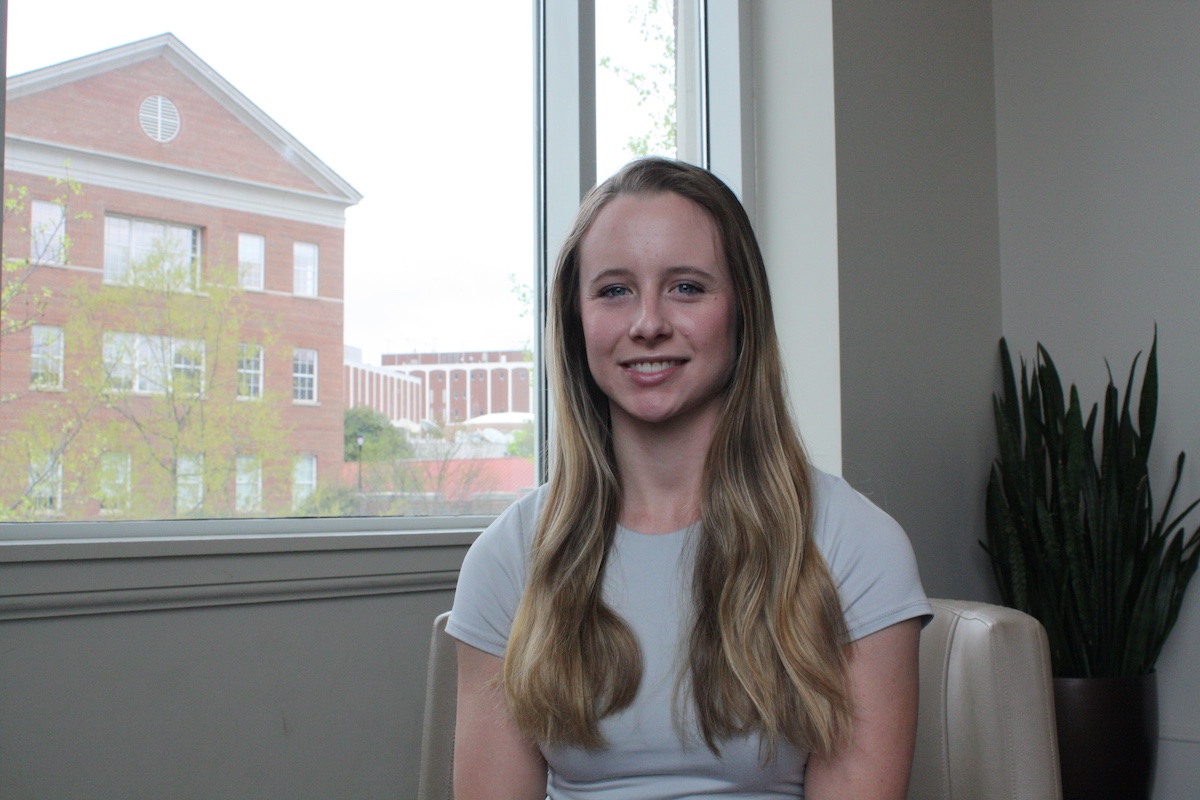
Redefining Strength: Sarah Povie’s Fitness Journey
Sweat beads form on Sarah Povie’s forehead as she braces herself under the barbell of a Smith machine, gripping the cold steel with determination. The ambient sounds of clanging weights and vibrant gym playlists create a motivating backdrop as she performs a controlled lift, showcasing years of dedication and training.
A recent graduate from the University of Georgia with a degree in exercise science, Povie is not just another gym-goer; she is on a mission to transform perceptions of women’s strength within fitness spaces.
The Shift in Women’s Fitness Engagement
The influence of social media has drastically reshaped the landscape of women’s fitness worldwide. Today, women have equal access to gym memberships as men, yet discrepancies remain in the use of shared gym facilities. Despite being fitness enthusiasts, women like Povie still navigate challenges in traditionally male-dominated gym environments.
“As a girl, we’re not exposed to weightlifting in general. I think that should change,” Povie remarked.
Early Inspirations: A Childhood in Sports
Povie’s affinity for fitness began in her childhood, when her parents encouraged her to join various sports teams. Her first experience with weightlifting occurred during high school practices, where her track coach introduced the team to the weight room.
“My coach had us in the weight room doing deadlifts, and I was like, oh my gosh, I’m actually kind of good at this,” she said.
Challenges Faced in Co-Ed Gym Environments
While Povie has honed her skills and grown comfortable lifting weights, she continues to encounter experiences shared by many women in co-ed gyms, particularly related to unsolicited comments from men.
“I think men often approach women and expect a compliment in return, whether they say it or not,” Povie expressed. “I think that is an issue because it makes women feel like they owe them something.”
Her personal experiences include men commenting on various aspects of her physique, highlighting a broader issue that many women face: discomfort in gym spaces. A survey conducted by FitRated indicates that approximately 71% of women have experienced uncomfortable interactions at the gym, and 70% have altered their routines due to negative encounters.
Societal Pressures and Body Image
In addition to facing unwanted attention, women like Povie grapple with societal expectations surrounding body image, further exacerbated by social media. Research from BMC Public Health reveals that a significant proportion of popular fitness influencers promote unrealistic body standards.
This portrayal of “perfection” can lead to feelings of anxiety and self-doubt among women who may compare themselves unfavorably to these ideals.
“I think the issue comes when influencers will post themselves flexing or posing constantly,” Povie noted. “Someone who doesn’t go to the gym all the time or is new might see that and think, oh my gosh, I’m never going to be able to reach that physique.”
A Commitment to Empowerment
Despite the hurdles posed by gym culture, Povie is committed to encouraging those around her to embrace their own fitness journeys. Whether through lifting or engaging in enjoyable physical activity, she advocates for self-defined strength.
Her current training routine consists of a structured five-to-six day split: two days for upper body, two for lower body, and one active recovery day at lower intensity.
“The best exercise is the one that you like doing the most,” Povie concluded. “Whatever you enjoy doing, whatever will keep you engaged, is what you should pursue.”
As Povie continues her journey in fitness and nursing school at Augusta University, her story embodies a growing cultural shift where women are reclaiming their presence and power in gyms, moving beyond stereotypes to forge their identities in the world of fitness.
