


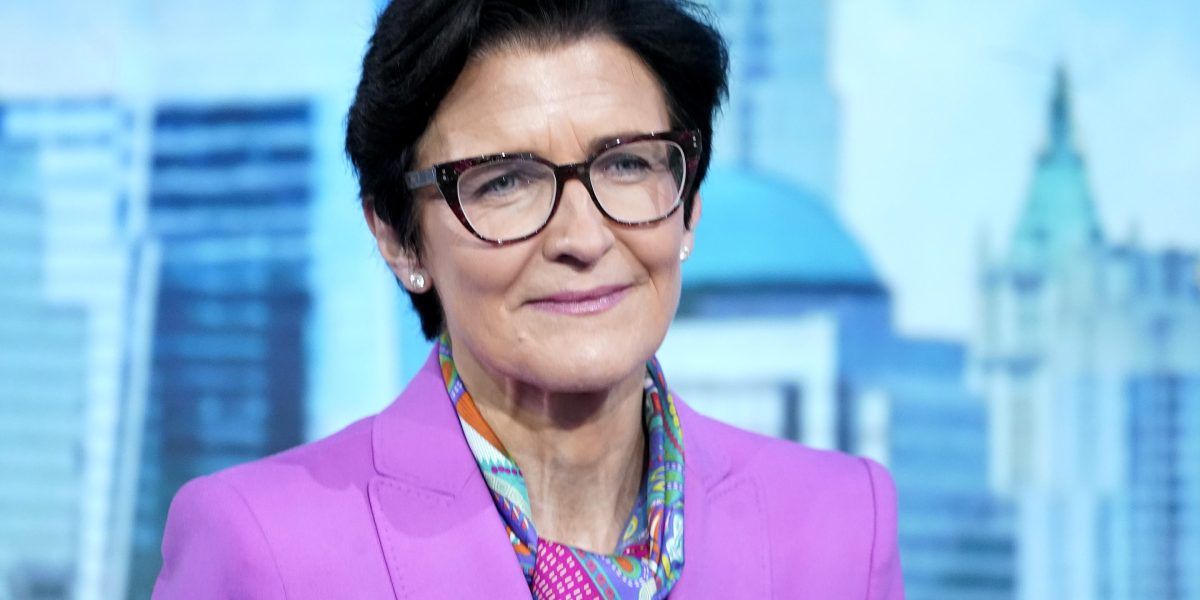
Challenges Faced by Women CEOs
The landscape of corporate leadership is increasingly diverse, yet women CEOs often find themselves navigating a complex set of challenges on their path to the top. While significant progress has been made, many women in executive positions are required to validate their capabilities more rigorously than their male counterparts.
Proving Competence in a Male-Dominated Environment
Despite their professional qualifications and achievements, women leaders frequently encounter skepticism regarding their competence. This perception often compels them to demonstrate an exceptional level of mastery in their roles, often going above and beyond to earn the respect and recognition from peers and stakeholders alike.
Cultural and Institutional Barriers
Institutional biases and cultural norms significantly influence the corporate environment, making it imperative for women to not only excel in their duties but also work against stereotypes. Overcoming these barriers often means facing additional hurdles in promotional pathways or decision-making processes.
Statistics Reflecting Gender Disparities
Current data underscores the need for continued advocacy for women in leadership. According to recent studies, only a small percentage of CEO positions in Fortune 500 companies are held by women, indicating a substantial gender gap that remains to be closed.
- Women make up approximately 8% of CEOs in Fortune 500 companies.
- Efforts towards inclusivity are essential for improving these statistics over time.
Success Stories and Strategies for Advancement
Noteworthy women CEOs have successfully ascended to the highest corporate positions by implementing effective strategies, including mentorship opportunities, networking, and skill development. These leaders often emphasize the importance of resilience and the ability to adapt to changing environments.
The Future of Women in Leadership
Looking ahead, industry experts believe that fostering an inclusive workplace will be vital in changing the narrative for future generations of women leaders. By actively promoting diversity at all levels, organizations can cultivate a culture that values contributions regardless of gender, leading to an overall healthier corporate ecosystem.
