


In recent days, a noteworthy trend has emerged on LinkedIn, sparking conversations about visibility and engagement on the platform. A growing number of women have participated in a collective experiment suggesting that altering one’s gender designation to “male” could enhance post visibility and engagement rates.
This experimentation coincided with observations that many female users have experienced a decline in their reach and engagement on LinkedIn. In response, some users began modifying their profiles to reflect what has been termed “bro-coded” language, which involves incorporating assertive, action-oriented business jargon into their descriptions. Terms like “drive,” “transform,” and “accelerate” have become prevalent in these adaptations.
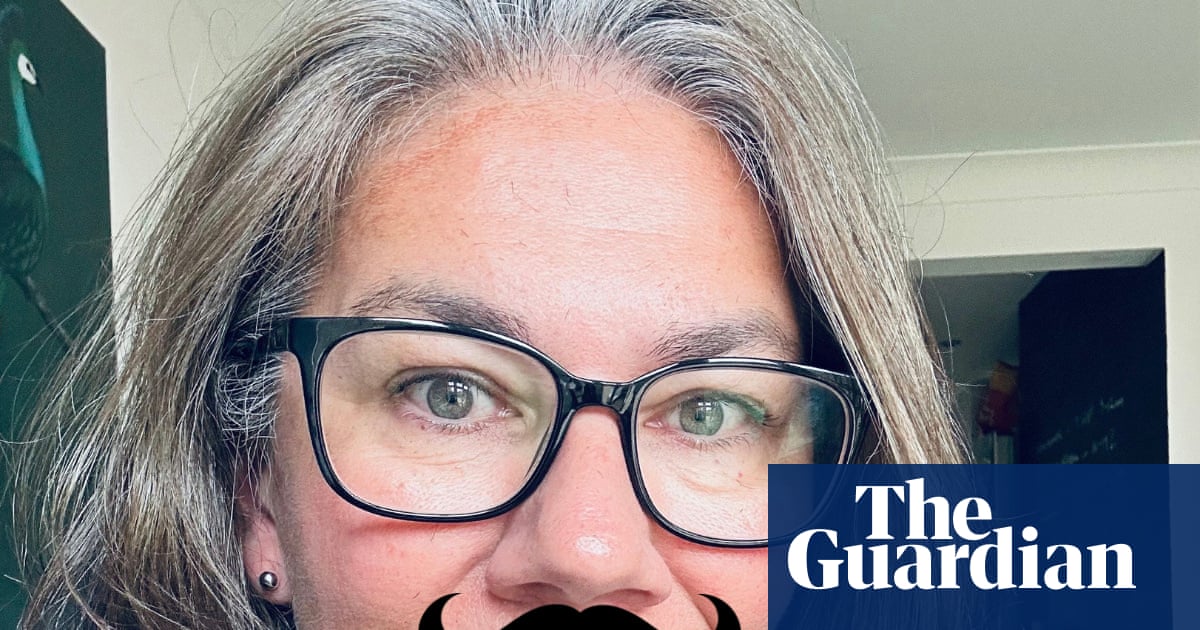
Initial reports indicate that individuals changing their gender and using more aggressive business language witness notable increases in profile views and engagement. For instance, Simone Bonnett, a social media consultant based in Oxford, reported a staggering 1,600% rise in profile views after altering her pronouns and name. “It has certainly been exciting,” she remarked, referring to the boost in visibility gained from her changes.
Megan Cornish, a communications strategist, shared a similar experience. After changing her gender to “male” and utilizing more agentic language in her profile, she saw a 415% spike in her reach following these adjustments. This led to her posts gaining significant traction, including one that achieved nearly 5,000 reactions. However, Cornish expressed dissatisfaction with the transformation, stating that it felt inauthentic compared to her previous, more personable writing style.
Not all participants reported the same success, however. Cass Cooper, a writer focused on technology and social media algorithms, changed her gender to “male” and her race to “white,” despite being Black in reality. She experienced a decline in her reach, a trend some women of color have also noted. “We know there’s algorithmic bias, but it’s really hard to know how it works in a particular case,” Cooper said, highlighting the complexities surrounding platform visibility.
LinkedIn has acknowledged these anecdotal findings but maintains that demographic factors do not influence content visibility on the platform. A spokesperson explained that the platform’s algorithm utilizes various signals, including engagement rates and content type, to determine which posts are amplified. They noted that the recent fluctuations in user engagement could be attributed to a significant increase in content being shared on the platform, with a 24% rise in comments and a corresponding uptick in video uploads over the last quarter.
The discussions around visibility on LinkedIn have gained traction, particularly since the pandemic has blurred the lines between professional and personal interactions on the platform. Many users have observed a shift toward more overt displays of confidence and assertiveness in business communication, sometimes described as a departure from LinkedIn’s traditionally professional atmosphere.
As conversations about algorithmic bias and visibility continue, experts and users alike emphasize the need for deeper analysis and accountability within these systems. While the experiments with gender and language offer insights into the inherent biases in social media algorithms, they also reflect broader societal issues regarding representation and recognition in professional spaces.
Ultimately, while these creative explorations of LinkedIn’s user interface highlight possible pathways to greater visibility, they also underscore the ongoing challenges many face regarding authenticity and equity in online professional environments.
