


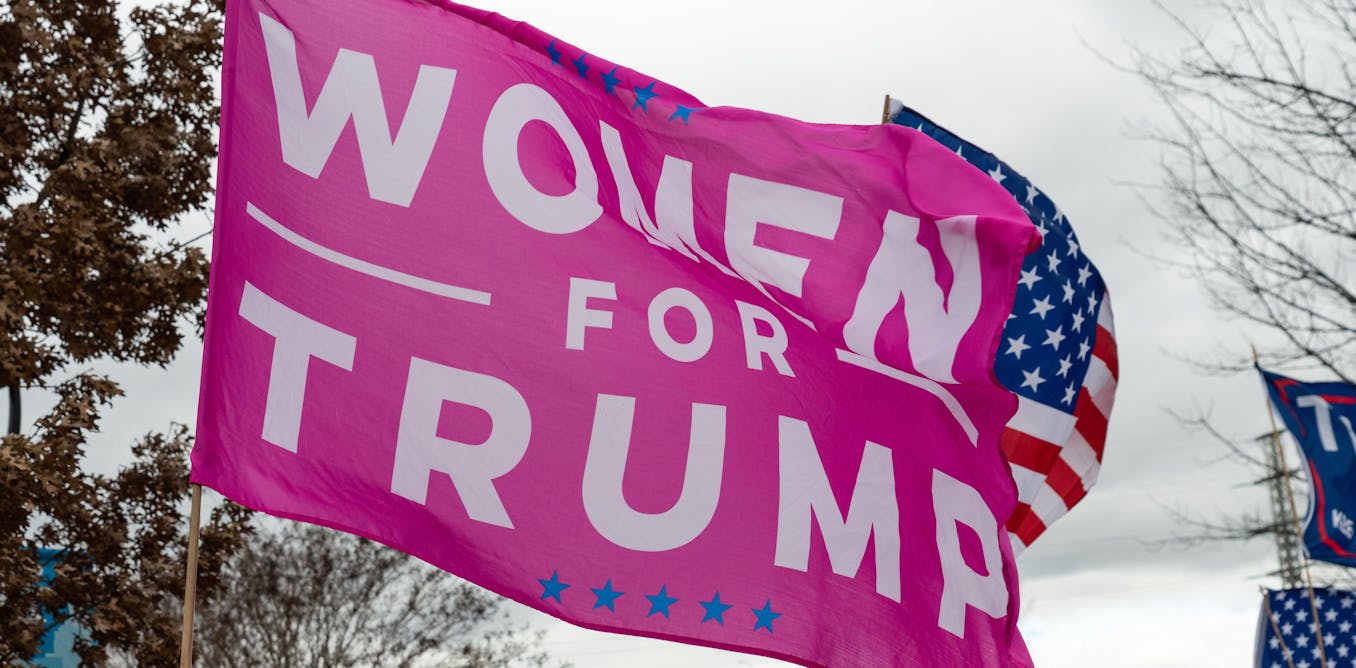
Understanding Women’s Voting Trends: Trump’s Appeal in 2024
New polling indicates that approximately 25% of US voters believe that the Republican Party has a superior plan for women’s rights compared to the Democrats. This statistic comes amidst ongoing debates surrounding women’s issues in the current political landscape.
Shifting Support Among Women Voters
Despite criticism from liberal female voters regarding Donald Trump’s remarks and policies about women’s rights, there has been a notable increase in his support among women voters, rising from 42% in 2020 to 45% in the lead-up to the 2024 elections. This trend prompts a deeper look into the complexities within the female voter demographic.
The Diverse Landscape of Women’s Voting Patterns
Assuming all female voters share identical views is misleading due to the rich diversity within this group. Historically, women have exhibited higher voter turnout than men and have predominantly leaned Democratic. However, examining the nuances reveals that certain subsets of women, particularly white women, have shown a preference for Republican candidates, including Trump.
- White women voters have leaned toward Republicans in most elections since 1964 and maintained this trend with Trump.
- College-educated white women are less likely to support Trump, contrasted by a strong backing from Evangelical women.
Religious and Economic Influences on Voting Behavior
Religion plays a significant role in shaping the voting preferences among women. Born-again Christians and Evangelicals, who often subscribe to traditional family values, have become a pivotal support base for Trump. Recent data shows that 80% of Christian voters supported Trump in the 2024 elections, an increase from 71% in 2020.
Moreover, his administration’s initiatives, such as the proposed “National Medal of Motherhood” aimed at incentivizing larger families, cater to this demographic. Additionally, new government savings plans for newborns, which include a US$1,000 initial deposit from the government and an annual contribution opportunity, have also attracted support.
Abortion and Family Policies
While around 64% of American women support legal access to abortion, only 39% of Republican women over 50 favor national access, indicating that some women may align with Trump’s family-oriented policies that restrict abortion rights. This contrast speaks to the divergent concerns within the female electorate.
Economic Concerns and Manufacturing Jobs
In terms of policy priorities, about 24% of women, as opposed to 17% of men, identify inflation and economic issues as their foremost concerns. Trump’s focused messaging on economic issues, such as rising grocery prices, has resonated with women concerned about living costs. His plans to boost domestic manufacturing and address global trade dynamics target working-class communities particularly impacted by factory closures.
Aligning Cultural and Economic Concerns
Trump’s appeal to socio-economically vulnerable groups—those facing challenges from globalization—may not be strictly tied to his MAGA movement but reflects a broader alignment of cultural and economic concerns. His promises to prioritize domestic manufacturing and reject globalism strike a chord with voters seeking stability in their local economies.
The Path Forward for Political Opponents
To effectively engage the concerns of traditional conservative women, political opponents should avoid dismissing their anxieties. Acknowledging and addressing these issues could influence their voting behavior, particularly as economic conditions are dynamic and can shift support away from any candidate who fails to deliver on promises.
Pledges regarding economic stability and improving living costs will be crucial as Trump continues his push for re-election. Failure to meet these expectations could lead these concerned voters to reconsider their allegiance.
