


The Rise of Women’s Sports: Progress and Challenges Ahead
As the world nears the summer of 2025, women’s sports are experiencing a significant surge marked by notable achievements and increased visibility. Following a groundbreaking 2024 that showcased equal representation of women and men at the Olympics for the first time, the prospects for women athletes continue to shine bright.
Growing Visibility and Community Engagement
In a remarkable trend, the number of women’s sports bars in the United States has increased to 11, up from just one three years ago, according to Axios. Notably, The Sports Bra, the first-ever sports bar focused solely on women’s sports, is set to expand into four additional cities. These venues have evolved into community hubs that not only celebrate women’s athletics but also welcome fans from diverse backgrounds.
Significant Investments Fueling Growth
Major leagues are also recognizing the potential within women’s sports. Major League Baseball (MLB) has announced plans to invest resources into the Athletes Unlimited Softball League (AUSL). As MLB commissioner Robert D. Manfred stated, this investment aims to bolster softball’s long-term development and deepen engagement with its athletes and fans. This partnership marks a pivotal moment for women’s professional sports as it represents MLB’s first collaboration with a women’s league.
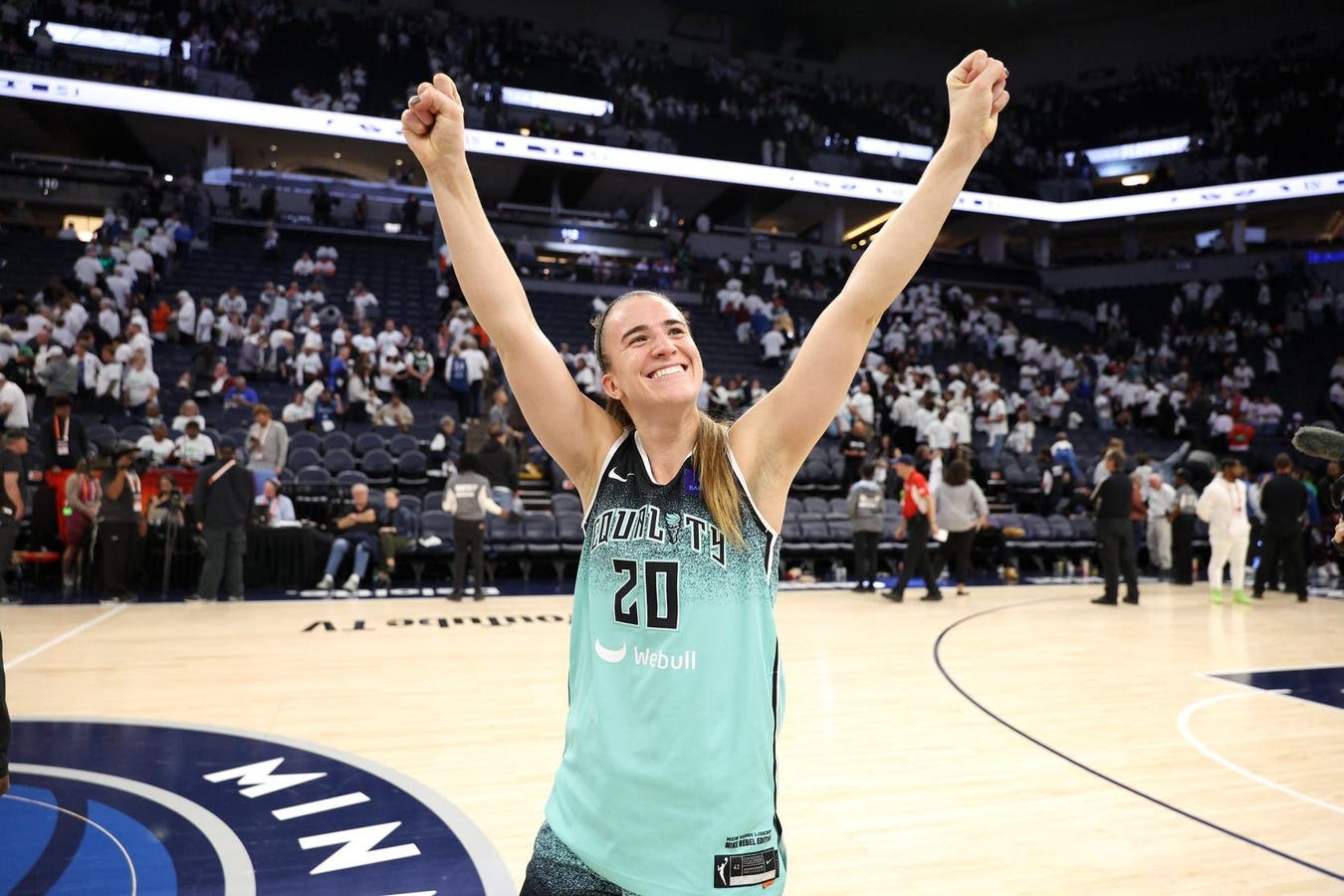
In a broader context, the valuation of the WNBA’s New York Liberty has reached a record-breaking $450 million, more than double its estimated worth from a year prior. In a similar vein, Alex Ohanian, co-founder of Reddit and husband of tennis icon Serena Williams, has recently acquired a minority stake in Chelsea FC Women, a club now valued at $326 million. He voiced aspirations for the team to evolve into a “billion-dollar franchise,” especially after their recent successes in the Women’s Super League.
International Progress and Leadership
On the global stage, women’s athleticism is gaining unprecedented recognition. Kirsty Coventry made history as the first female president of the International Olympic Committee, while FIFA confirmed plans to expand the Women’s World Cup from 32 to 48 teams by 2031, diversifying opportunities and competition.
Challenges: The Ongoing Wage Disparities
Despite these positive advancements, significant challenges remain, particularly concerning gender pay equity. Research by Parity reveals harsh realities: more than half of female athletes do not earn a net income after accounting for sports-related expenses, with 74% balancing multiple jobs alongside their training commitments.
Moreover, even top earners like Coco Gauff, the highest-paid female athlete, fall short of making the list of the 50 highest-paid athletes, which is currently all male. Forbes indicates that Gauff’s earnings are nearly $20 million lower than the threshold.
A Roadmap for Future Success
The enthusiasm for women’s sports is palpable, yet to truly capitalize on this momentum, industries must address the pressing gaps in investment and visibility. To match the century-long head start of men’s professional sports, substantial efforts are required to ensure women’s sports receive proper funding, extensive media coverage, and valuable brand partnerships.
Recent undertakings such as Ariel Investments’ Project Level aim to support women’s sports initiatives. Additionally, partnerships like that of Airbnb with both the men’s and women’s Tour de France, along with CBS Sports acquiring rights to the UEFA Women’s Champions League, signal a transformative shift in the funding landscape.
In conclusion, while progress in women’s sports remains palpable, the journey toward equality requires continuous effort. Investing in female athletes and closing ongoing gaps will not only elevate their recognition and compensation but also enrich the sporting community as a whole.
