


Breaking Barriers: Gender Equality in Sports Ahead of the 2028 Olympics
A Historic Moment in Olympic History
The upcoming Summer Olympics in Los Angeles in 2028 marks a pivotal moment for gender equality in sports. For the first time, the Olympics will witness more women athletes than men. This event will achieve full gender parity in all team competitions, with women’s football teams outnumbering their male counterparts.
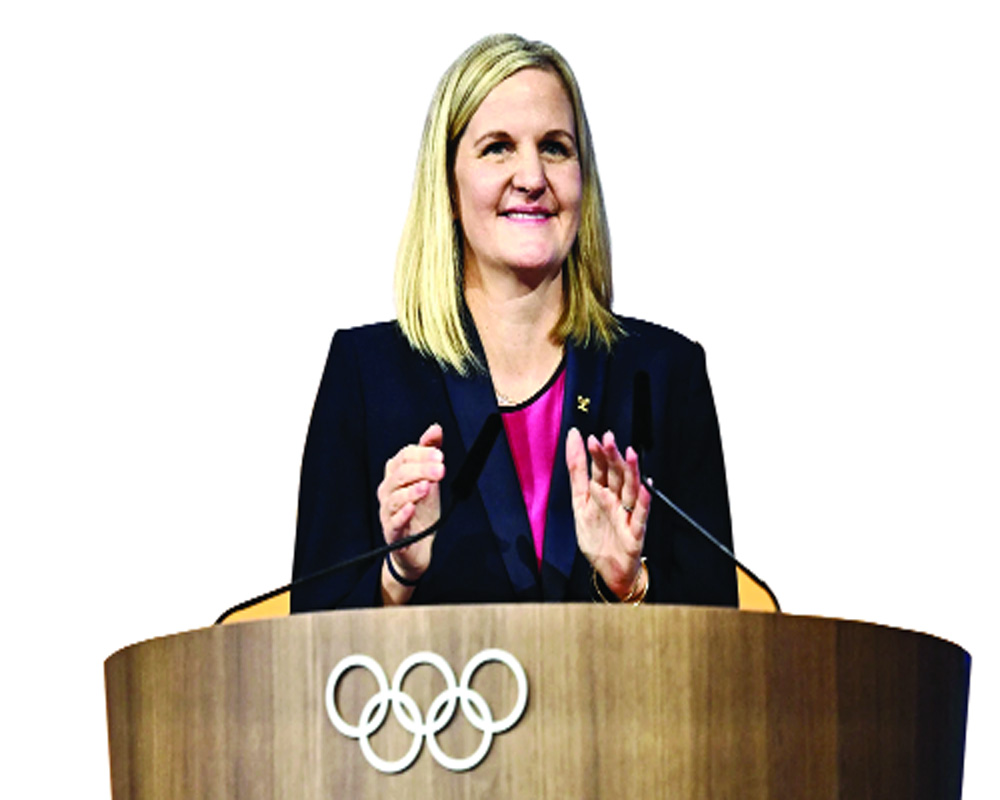
Another significant milestone is Kirsty Coventry’s election as the first female president of the International Olympic Committee (IOC), a groundbreaking achievement in the IOC’s 131-year existence.
Women’s Participation in Sports: A Historical Perspective
Women’s representation in the Olympics has evolved dramatically, rising from a mere 2.2% in the 1900 Paris Games to achieving gender parity in 2024. However, this progress has not come without challenges. Persistently low funding has impeded the quality of training and resources available for female athletes, which undermines the development of women’s sports leagues (Blinde et al., 1993; Sartore & Cunningham, 2014).
The Rise of Investment in Women’s Sports
Recent changes in the financial landscape are promising. Enterprising angel investors and venture capitalists are recognizing the untapped potential of women’s sports. A notable example is the emergence of Angel City FC in 2020, which redefined traditional sports franchise models and achieved a market valuation of $250 million in just three years.
In India, corporate social responsibility (CSR) investments in sports rose to Rs 526.14 crore in 2022-23, nearly doubling from the previous year. However, many analysts argue that women’s sports remain overlooked in corporate CSR efforts (Goodera).
Changing Perceptions and Growing Support
According to a 2024 survey (Service Monkey & Parity), women athletes are viewed as impactful role models, with 73% of sports fans engaging with women’s sports at least a few times a year. A 2023 Deloitte report highlights that 85% of women who played sports in childhood now hold positions as Fortune 500 CEOs, attributing their success in part to skills acquired through sports.
Recent data indicates that global revenue for women’s sports reached $1.3 billion in 2024, showcasing a remarkable 300% growth within three years. Sponsorship deals have also increased by 20% year-over-year since 2020 (Sports United).
Challenges Persisting in the Digital Space
Despite progress, women athletes continue to face scrutiny, especially on digital platforms. A social media analysis revealed that female athletes are often described with traditional feminine terms, in contrast to male athletes who are characterized by their strength and talent.
Moreover, women in sports are susceptible to higher rates of online abuse. A study before the Tokyo Olympics found that 85% of online attacks targeted women. There is an urgent need for sports organizations to prioritize measures that safeguard athletes beyond issues like doping and match-fixing.
Call to Action for Gender Equality
In 2023, UN Women and UNESCO crafted a 10-point ‘Call to Action’ aimed at promoting gender equality in sports. This directive includes proposals for fair pay, better media representation, and enhanced grievance mechanisms within sports organizations.
Achieving gender equality in sports will require collaboration among governments, corporations, and media entities to ensure equitable resources and support for female athletes. A collective commitment is essential to foster an environment that promotes not only visibility but also safety and inclusiveness in sports.
