


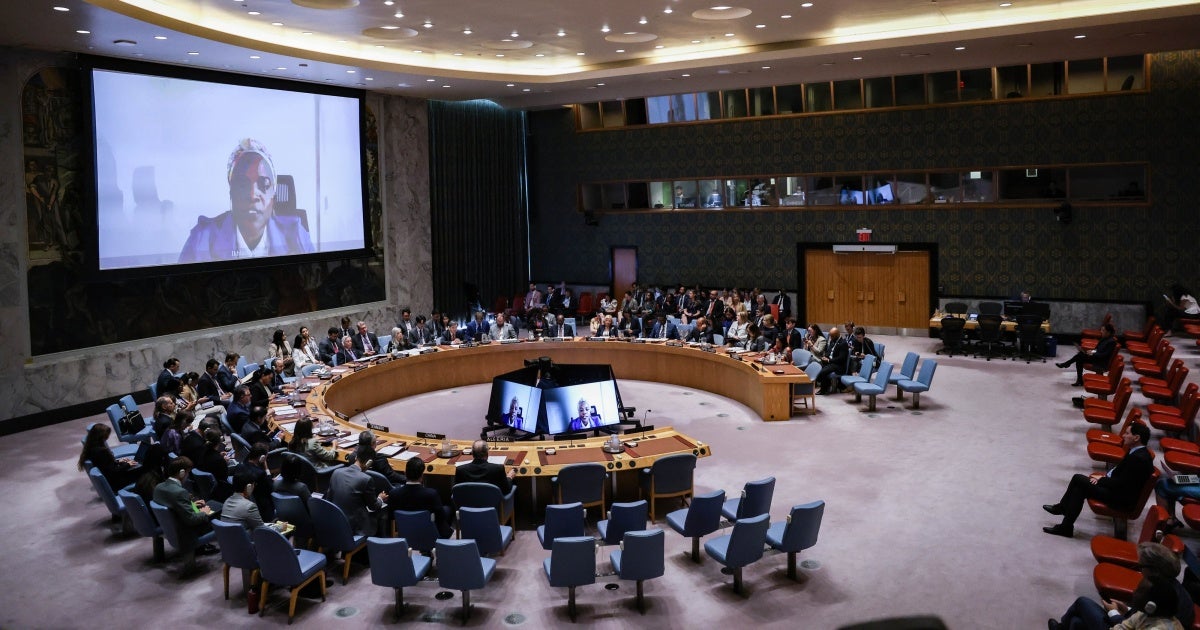
This month marks the 25th anniversary of the United Nations Security Council Resolution 1325, which focuses on Women, Peace, and Security. Adopted in October 2000, this landmark resolution emphasizes the necessity for women to be involved as equal, safe, and significant participants in the dialogue about the future of their nations, especially in matters concerning peace negotiations.
Despite the resolution’s foundational importance, there has been a concerning decline in the adherence to its principles. Women continue to face significant barriers in gaining a voice in crucial discussions, with instances where they are completely excluded, even within UN frameworks.
Phumzile Mlambo-Ngcuka, the former UN Under-Secretary-General, hailed Resolution 1325 as “one of the crowning achievements of the global women’s movement and one of the most inspired decisions of the United Nations Security Council.” However, in the years since its unanimous adoption, the Security Council has often failed to act in accordance with its mandates. Notably, there has been a marked decrease in the number of women’s rights defenders who have the opportunity to address the Council—an issue exacerbated by U.S. immigration restrictions that have made travel to New York more perilous for some speakers.
Over the past quarter-century, Resolution 1325 has endured significant challenges. Accompanying resolutions have refined the concept of full participation for women, providing guidelines for countries and international organizations on how to integrate women’s input and consider the gendered impacts of conflicts. More than 100 countries have put forth national action plans detailing their strategies for implementing the resolution.
The impact of this advocacy work has been substantial. Research consistently highlights that when women are part of peace talks, the outcomes are not only more likely to be achieved but also tend to be more sustainable. A comprehensive study indicated that peace negotiations featuring female participants have a higher rate of success and implementation. UN Women’s 20-year review of Resolution 1325 confirms that increased participation of women at all levels is crucial for effective and lasting peacebuilding initiatives.
As we reflect on this milestone anniversary, it is vital to remind policymakers of the unofficial mantra from the women’s movement advocating for Resolution 1325: “No women, no peace.” The ongoing struggles for women’s rights amid growing global conflicts underline the importance of this message today more than ever.
