


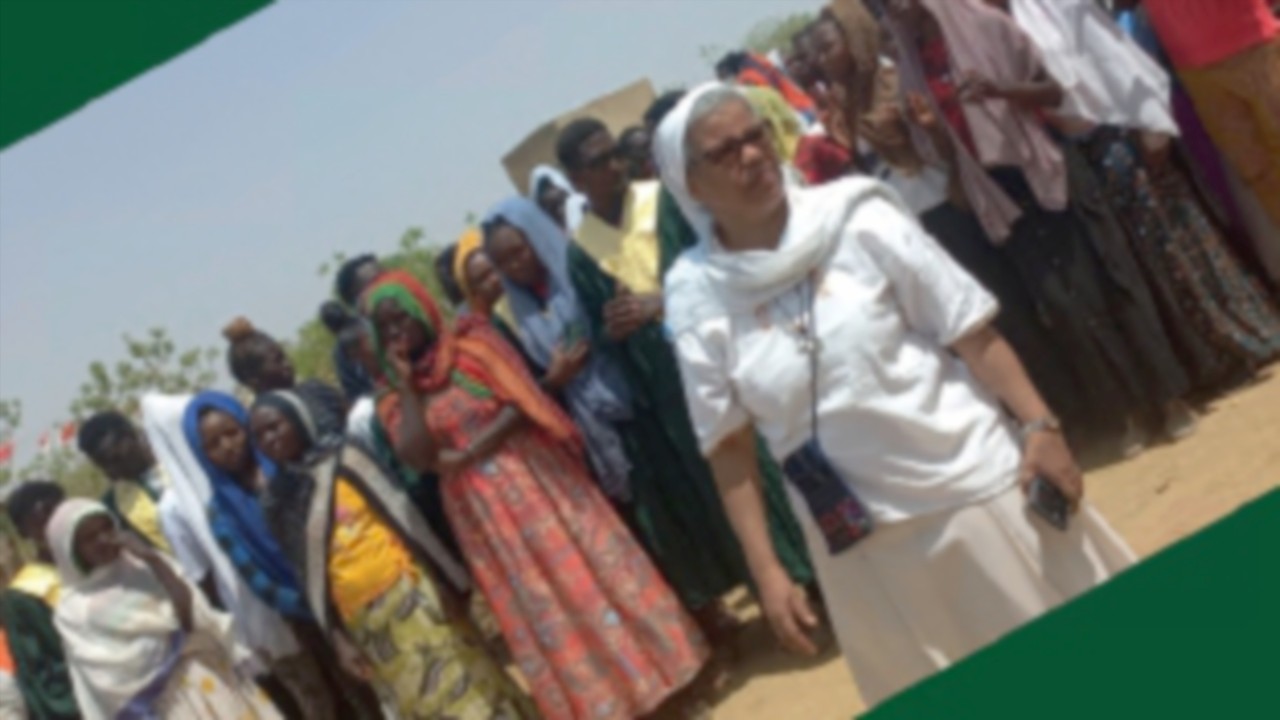
The transformative impact of women in religious and humanitarian missions is a compelling narrative woven through history. Although often operating behind the scenes, their contributions have been pivotal in shaping communities and advocating for social change. From establishing educational institutions to providing medical care, missionary women transcended cultural and linguistic barriers, intertwining their faith with activism and challenging societal norms.
The Rise of Women’s Roles in Missionary Work
During the 19th century, as European colonial powers expanded their reach, both Catholic and Protestant missionaries intensified their efforts overseas. Women religious began to travel in significant numbers, compelled by vocations that commonly manifested in educational and healthcare initiatives. For these missionaries, educating young girls was not merely about imparting knowledge; it represented a critical step toward cultural transformation, aimed at eradicating perceived “paganism” and fostering new ideals of femininity.
A Complex Legacy
While the critical review of religious missions often highlights their colonial implications, many women in these roles defied the patriarchal structures of their era. Where male church leaders were absent, women took on substantial leadership roles within ecclesiastical communities. They became administrators, educators, and caregivers, assuming responsibilities that afforded them a rare degree of autonomy.
Consider figures like Mother Laura Montoya, who served Indigenous peoples in the Amazon, advocating for cultural respect and the rights of native women, or Madeleine Delbrêl, a French mystic who integrated her mission with her political beliefs in 1930s France. Their legacies illustrate how these women reframed traditional notions of mission, emphasizing both charity and justice.
Contemporary Challenges and Achievements
As liberation theology gained prominence in the postwar period, many women religious began to interconnect the teachings of the Gospel with human rights advocacy. In Brazil’s favelas and African refugee camps, these missionaries stood firmly against oppression and poverty, risking their lives for social justice. Sister Dorothy Stang represents this courageous path, having sacrificed her life in 2005 while advocating for the rights of peasants and environmental conservation in Brazil.
Women’s Influence in Secular Humanitarian Missions
The second half of the 20th century witnessed the emergence of women’s leadership in secular humanitarian efforts. International volunteers, often women, have become crucial players in organizing and executing missions across conflict zones like Afghanistan, South Sudan, and Gaza. These teams understand the intersectionality of gender, poverty, and minority issues, fostering an inclusive spirit of solidarity and mutual learning.
These women do not approach their roles with a savior complex; instead, they recognize the complexities of their positions and often return from their global missions transformed, grappling with their own privileges while aiding others.
Shifting Definitions of Mission
Today, discussions about women’s missions invite us to reconsider the very definition of “mission.” What was once understood as a religious vocation is increasingly seen as a secular commitment to alleviating human suffering. The motivations driving these efforts vary—spiritual, ethical, political—but they share a common thread: a belief in the potential for connection and dialogue across distances.
In diverse scenarios, from urban centers in North America to rural communities in Africa, women’s roles have become indispensable. Their proximity to those they serve, living within the same communities, enhances the relational dynamics essential for meaningful aid.
Listening and Learning for Greater Impact
This presence at the societal margins raises ethical questions about privilege and responsibility. While some women work collaboratively with local leaders to build sustainable projects, others inadvertently uphold hierarchical systems. Therefore, contemporary missionary work must prioritize listening and self-reflection, integrating feedback from the communities they serve.
The narrative of women in missions today is also expressed through various media, such as blogs and documentaries, amplifying their experiences and perspectives. These platforms highlight the complex realities of aid and the beauty found in authentic relationships formed through service.
Conclusion: The Vital Role of Women in Missions
Recognizing the full scope of women’s contributions to missions requires a paradigm shift. Acknowledging the authority and expertise of those who have often worked in obscurity can illuminate their vital roles in times of social upheaval and environmental crisis. Women’s missions serve as dynamic spaces for resistance and innovation—centers of political and ethical engagement where care becomes an act of solidarity in navigating the complexities of our world.
