


The role of women within the Southern Baptist Convention (SBC) is expected to take center stage during its upcoming annual meeting in Dallas, scheduled for two weeks from now. This topic, long-standing and contentious, resurfaces as the largest non-Catholic denomination in the U.S. prepares for yet another potential debate.
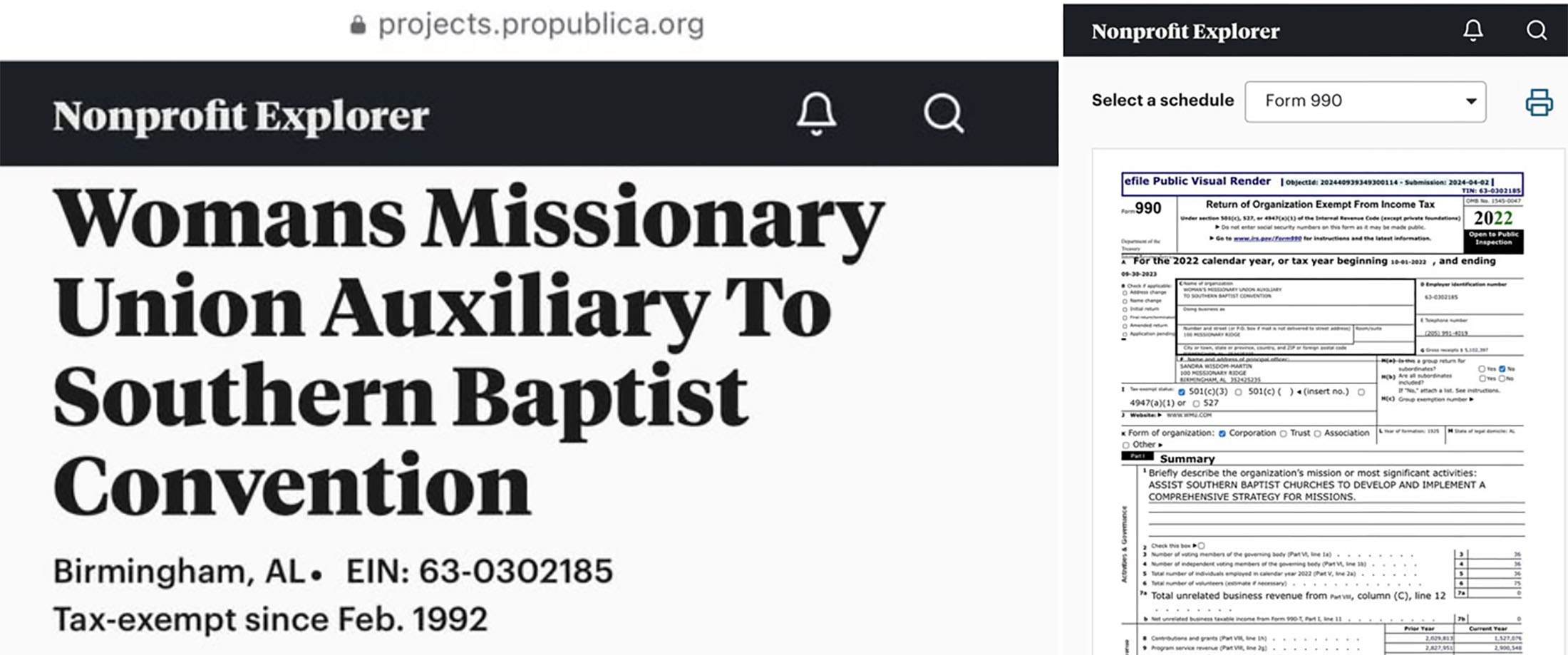
In anticipation of this meeting, particular attention is being drawn to the Woman’s Missionary Union (WMU), a missions-support organization affiliated with the SBC. Unlike other SBC entities, WMU continues to disclose its financial details in a manner comparable to most U.S. nonprofits, providing a level of transparency often criticized as lacking within the denomination.
WMU is the only SBC-related entity that files an IRS Form 990.
Being the sole SBC-related organization managed by women, WMU has maintained a consistent record of transparency, including the disclosure of its executive compensation along with its income and expenses. This has caught the eye of critics within the SBC, especially in a climate where financial accountability is often questioned.
A recent post on the SBC Issues and Ministry Q&A Facebook group, authored by Southern Baptist layman John Kaleo, highlights this matter: “If the @NationalWMU can fill out and submit 990s that everyone can see, what is every other SBC entity’s excuse to not show that level of information to the members?” His query underscores a growing call for transparency across SBC organizations.
Historically, proposals aimed at increasing financial disclosure have struggled to gain traction at SBC meetings, often being dismissed or referred back to those who oppose such measures. Most SBC bodies have classified themselves as “churches” in IRS terms to sidestep similar disclosure requirements.
While women are leading the way in financial transparency, the prevailing belief within the denomination is that they should not occupy pastoral roles. The SBC’s doctrinal statement, known as the Baptist Faith and Message, explicitly prohibits women from serving as pastors, and this year, efforts to embed this prohibition into the SBC Constitution will be reintroduced.
The proposed amendment, referred to as the Law Amendment, initially garnered the necessary two-thirds majority support in 2023 but failed to secure it during a second reading in 2024. Advocates will again attempt to resurrect this amendment during the upcoming convention.
On the first night of the SBC annual meeting, a Baptist Women in Ministry (BWIM) event will take place at the First United Methodist Church of Dallas. This gathering aims to address the current state of women in the Southern Baptist Convention and will feature a discussion with BWIM Executive Director Meredith Stone and Baylor University history professor Beth Allison Barr. Noteworthy titles by Barr include “Becoming the Pastor’s Wife” and “The Making of Biblical Womanhood.”
Meredith Stone emphasized the significance of understanding how the SBC’s regulations affect women, stating, “The SBC’s actions foreshadow and create a climate for continued threats to women’s equality throughout Christian communities and broader society within the United States.”
Though BWIM originated as Southern Baptist Women in Ministry, it distanced itself from the SBC name during the denomination’s far-right shift in the late 1990s. Discussions at the SBC convention will likely extend beyond the Law Amendment, particularly as the North American Mission Board faces criticism for its support of female-led church starts.
One of the highlighted cases is Clovis Hills Church in Clovis, California, where several women hold official positions that include the title “pastor.” Closer to Dallas, Lakepointe Church in Rockwall permitted a woman to preach on Mother’s Day, leading to scrutiny from those who uphold traditional views within the denomination.
As the SBC convenes for its annual meeting, discussions on women’s roles in the church are anticipated to spark meaningful dialogue and perhaps even significant change.
