


WiN Ghana Re-launches for Gender Empowerment in Nuclear Science
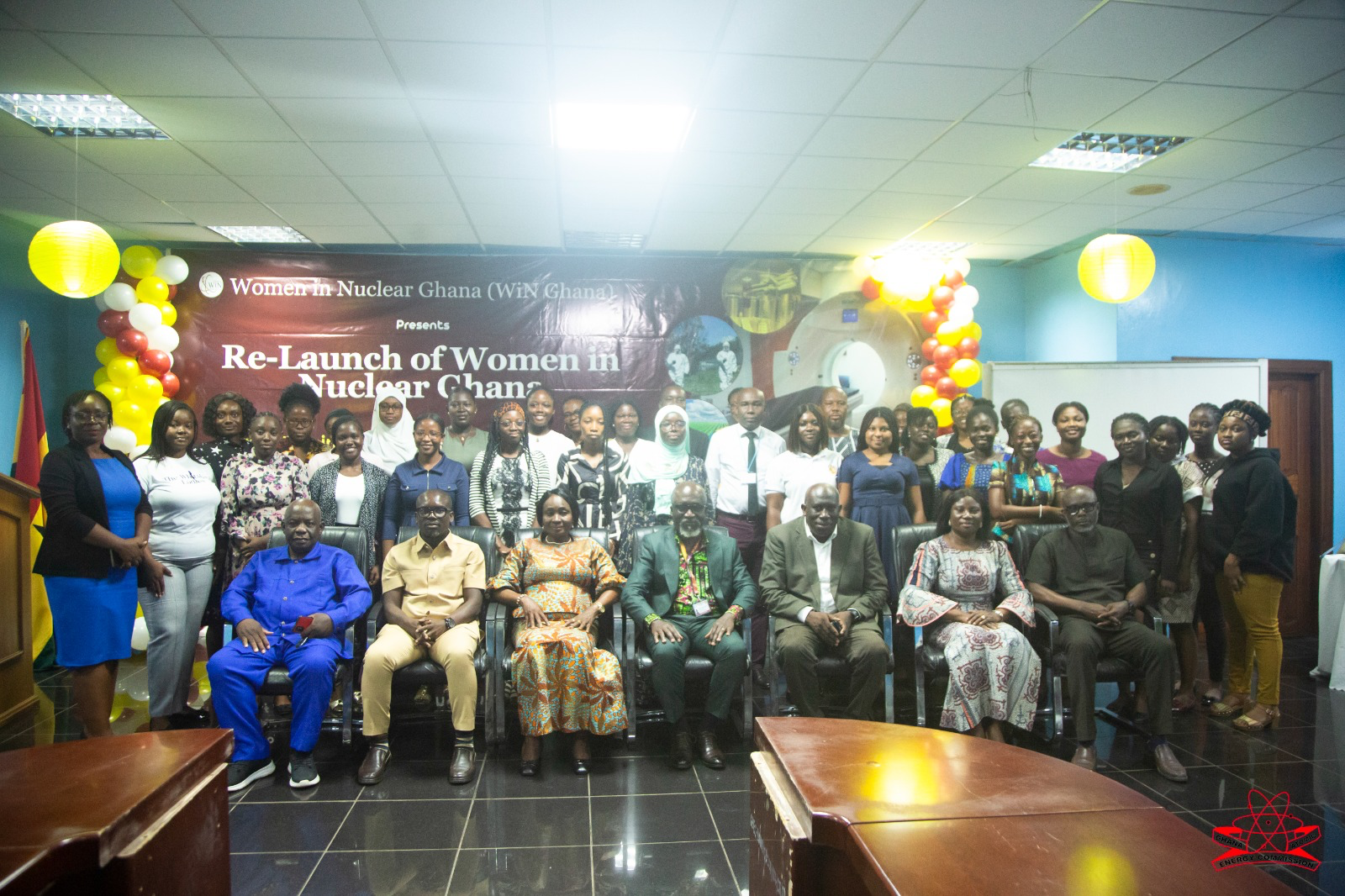
The Women in Nuclear Ghana (WiN Ghana) chapter was officially re-launched in Accra, marking a renewed commitment to empowering women in the field of nuclear science. This initiative aims to position women as pivotal drivers of Ghana’s socio-economic development.
The Event Overview
The re-launch event took place at the Graduate School of Nuclear and Allied Sciences and was themed “Women in Nuclear Ghana: Strengthening the Role Women Play in Nuclear Science for the Socio-economic Development of Ghana.” The atmosphere was charged with optimism and hope as participants gathered to support gender representation in nuclear fields.
Historical Context and Future Directions
Originally launched during the COVID-19 pandemic in 2020 with a modest membership of six executives and 50 members, WiN Ghana faced numerous challenges in its infancy. The recent re-launch aims to invigorate the organization’s impact moving forward.
In her keynote address, Suweibatu Adams, Chief Director of the Ministry of Environment, Science, and Technology, emphasized the critical need for revitalizing WiN Ghana for the nation’s advancement. “Nuclear science serves as a catalyst for development in energy, health, and agriculture, yet women remain underrepresented,” she noted, attributing this to systemic challenges such as gender bias and a lack of mentorship opportunities.
Statistics That Speak
Madam Adams provided concerning statistics regarding women’s representation in nuclear science in Ghana. Although the Ghana Atomic Energy Commission (GAEC) employs over 250 women, fewer than 25% are in technical roles, and even fewer occupy leadership positions. Despite the Graduate School of Nuclear and Allied Sciences having trained around 150 women at the MPhil level and just 7 at the PhD level since 2006, substantial barriers remain.
Advocating for Change
The Chief Director called for enhanced STEM educational initiatives aimed at girls in secondary schools and equitable hiring and promotion practices. She further stressed the importance of mentorship programs, leadership development, and supportive workplace policies, including flexible work arrangements and childcare support.
The Ghana Affirmative Action Gender Bill (2024), which mandates 30% female representation in leadership roles by 2030, and the Science, Technology and Innovation Policy are highlighted as key instruments in addressing these issues.
A Call to Action
Prof. Samuel Boakye Dampare, Director-General of GAEC, echoed the urgency of addressing the underrepresentation of women in nuclear science, suggesting that the event signified a “revitalization” rather than a mere re-launch. He also revealed plans for appointing Prof. Mary Adu-Poku to lead mentorship initiatives intended to combat the prevalent imposter syndrome among women in the field.
“We need women not just in laboratories but also at decision-making tables, building networks and advocating for nuclear science literacy,” he urged, further highlighting the importance of collaborating with WiN Global and other African chapters.
Celebrating Trailblazers
The event also served to honor leading figures in nuclear science who have paved the way for future generations. Prof. Aba Bentil Andam, Prof. Victoria Appiah, Prof. Josephine Nketsia Tabiri, and others were celebrated for their contributions to advancing women’s roles in science. Prof. Mary Adu-Poku, the event’s lead organizer and newly elected President of WiN Ghana, provided an inspiring closing statement, referencing a quote from Marie Skłodowska-Curie that urged women to have perseverance and confidence in themselves.

A Promising Future
The re-launch of WiN Ghana attracted high-profile attendees, including government officials, academic leaders, and representatives from various scientific organizations, signaling a collective commitment to empower women in nuclear science.
Through strengthened partnerships and a renewed focus on women’s representation, WiN Ghana is poised to become a pillar of progress in the nation’s nuclear landscape, contributing valuable insights and innovation for socio-economic development.
Disclaimer: The views and opinions expressed in this article do not necessarily represent those of the Multimedia Group Limited.
