


The Global Impact of ‘The Summer I Turned Pretty’
Initially marketed towards adolescents, Prime Video’s The Summer I Turned Pretty has transcended its target audience, captivating a significant number of millennial women. This coming-of-age series, based on Jenny Han’s popular novel trilogy, has become a global sensation, with its third and final season’s debut attracting 25 million viewers—three times larger than its initial launch.
Audience Dynamics
As the show approaches its much-anticipated conclusion, its primary demographic has shifted predominantly to women over 25, sparking fervent discussions across social media platforms. Prominent publications such as Vogue and Elle have noted this trend, examining the reasons behind the phenomenon.
This surge in popularity prompted Amazon to request that fans engage more respectfully online, especially after some cast members faced backlash leading up to the series finale.
Plot Overview
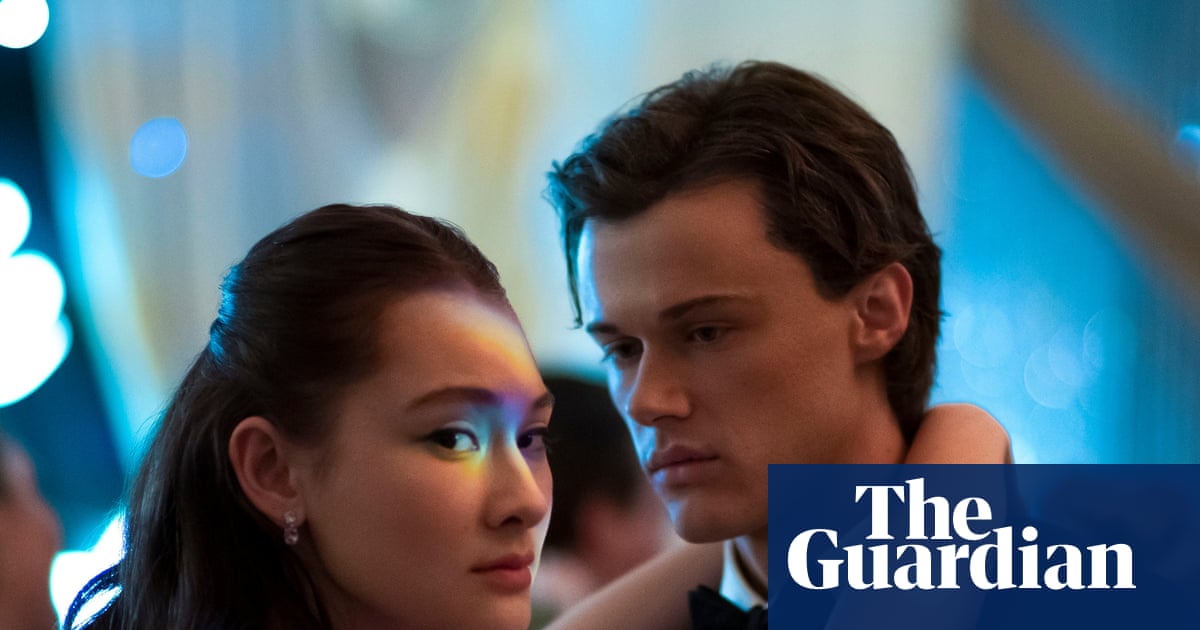
At its heart, the series follows Isabel “Belly” Conklin (portrayed by Lola Tung), who spends her summers in the fictional coastal town of Cousins alongside the Fisher brothers: the introspective Conrad (Christopher Briney) and the affable Jeremiah (Gavin Casalegno). As Belly nears her 16th birthday, she transitions from being overlooked to the focal point of both brothers’ affections. The narrative explores the complexities of first love amidst a backdrop of emotional turmoil, including themes of loss and coming-of-age experiences.
Nostalgia and Emotional Engagement
One reason for the series’ appeal is its nostalgic essence. The original novels, published between 2009 and 2011, encapsulate a distinctly early 2000s vibe. Their structures echo familiar themes from past teenage dramas that defined a generation, allowing viewers to identify with the characters more deeply.
The inclusion of a nostalgic soundtrack featuring over 20 contributions from Taylor Swift and other artists has further enhanced viewer engagement. Fan-created content on platforms like YouTube emphasizes the show’s emotional gravity, with speculation about the finale potentially featuring new music from Swift.
Community and Connection
The buildup to each new episode cultivates a sense of community similar to that of previous generations, where weekly TV viewing was a shared experience. Emma Lymar, a 32-year-old content creator, highlights how the show serves as a conduit for revisiting themes of youthful crushes, heartbreak, and summers filled with hope.
Kate Mansfield, a dating coach, elaborates on this sentiment, noting that for many viewers, watching the series can feel like an emotional return to a simpler time, far removed from contemporary dating complexities dominated by digital interactions. The narrative provides a safe space for exploring romantic emotions without real-world consequences.
The Characters and Their Appeal
Much of the series’ allure stems from the characters, particularly the romantically idealized portrayals of the male leads. Critics and fans alike have drawn comparisons between Briney’s character and iconic figures like Leo DiCaprio in *Titanic* and Ryan Gosling in *The Notebook*, praising the narrative’s focus on emotional depth and longing.
Mansfield describes this dynamic as a “fantasy of being pursued by emotionally intelligent men,” resonating with women across various ages.
Conclusion
As the finale approaches, the future of the The Summer I Turned Pretty universe remains uncertain. Nevertheless, its influence has clearly illustrated the enduring power of nostalgia and emotional storytelling across generations.
