


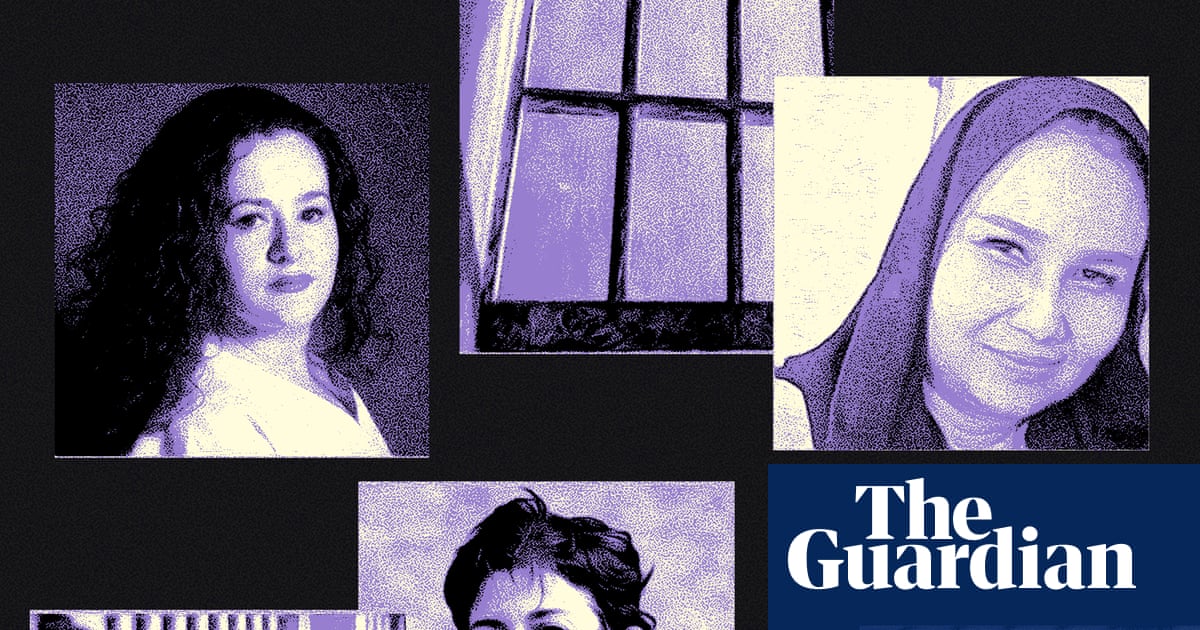
The Global Reality of Women on Death Row
As of 2023, a stark reality unveils itself with an estimated 500 to 1,000 women awaiting execution in at least 42 countries, according to a report by the World Coalition Against the Death Penalty. Countries with the highest execution rates of women align with those that execute the most people overall, notably China, Iran, Iraq, and Saudi Arabia.
In the context of executions in 2024, reports from Amnesty International highlight an unsettling picture: an unspecified number of women executed in China, two in Egypt, 30 in Iran, one in Iraq, nine in Saudi Arabia, and two in Yemen. It is noteworthy that several countries, such as China and North Korea, do not consistently publish data regarding executions.
The leading causes for women receiving death sentences tend to be murder and drug trafficking. Legal systems particularly prone to impose the death penalty, such as those with mandatory sentences for murder or without consideration of gender-based violence as a mitigating factor, often witness higher numbers of women on death row. Regions like the Gulf and Southeast Asia impose severe penalties for drug-related crimes, which impacts women disproportionately.
Many women become entangled in the drug trade due to a combination of limited options, financial struggles, coercion, and the harsh realities of supporting their families. Furthermore, those condemned to death often endure harsher living conditions in prison, including solitary confinement and increased security protocols, even in countries that refrain from carrying out executions.
Highlighted Cases of Women on Death Row
Christa Pike – United States
Christa Pike remains the only female inmate on death row in Tennessee, convicted of murder at the age of 18 while struggling with severe untreated mental illness. In 1995, along with two accomplices, she was involved in the murder of Colleen Slemmer during a job skills program. The case gained notoriety due to sensational claims linking Pike’s actions to satanic practices.
Despite evidence of her abusive upbringing and mental health struggles, these factors were not presented during her trial, leading to her death sentence. Now 28 years into her incarceration and having spent extensive time in solitary confinement, Pike’s execution date is set for September 30, 2026.
Pakhshan Azizi – Iran
Pakhshan Azizi, a 40-year-old Kurdish woman, was sentenced to death in July 2024 for armed rebellion against the state, in relation to her humanitarian efforts in Northern Syria and Iraq. Following her arrest in August 2023, she was held in solitary confinement and reportedly subjected to torture aimed at extracting a confession.
The Iranian regime has intensified its use of executions post-2022, primarily targeting women and human rights activists. In the past year alone, 31 women have faced execution, marking an alarming escalation amid political unrest.
Rosita Said – Indonesia
In Indonesia, 43-year-old Rosita Said has spent nearly a decade in detention on drug trafficking charges. Her involvement stemmed from a manipulated perception of her second husband, who introduced her to the drug trade. The courts failed to consider her socio-economic background and vulnerabilities during her trial, leading to a death sentence that reflects deeper issues within Indonesia’s judicial process.
Lemi Limbu – Tanzania
Lemi Limbu, convicted in 2015 for murdering her infant daughter, faces a mandatory death penalty despite no executions occurring in Tanzania since 1994. With an intellectual disability and a history of abuse, Limbu’s case exemplifies the challenges of mandatory sentencing laws that fail to account for nuanced circumstances.
Asiya Bibi – Pakistan
In Pakistan, Asiya Bibi was sentenced to death for alleged blasphemy in March 2024. The charges stem from an accusation related to the burning of the Qur’an, a claim that remains contentious. Blasphemy laws in Pakistan have historically led to severe repercussions, with Bibi facing dire conditions in detention.
Conclusion
The plight of women on death row across various jurisdictions highlights significant disparities in legal representation, societal norms, and the intersection of gender with the death penalty. The stories of Christa Pike, Pakhshan Azizi, Rosita Said, Lemi Limbu, and Asiya Bibi serve as powerful reminders of the urgent need for reform in justice systems worldwide.
