


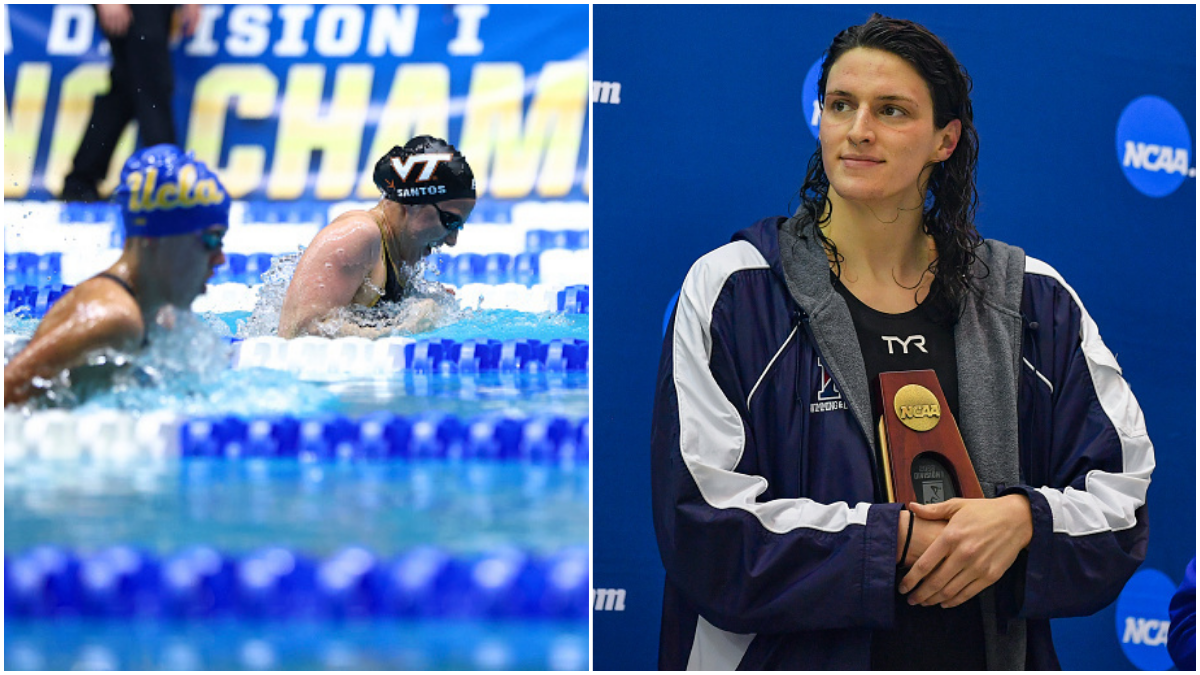
ESPN’s Omission on Virginia Tech Swimmers’ Concerns About Lia Thomas
Introduction
In 2022, ESPN was made aware of the concerns raised by Virginia Tech swimmers regarding perceived unfairness linked to Lia Thomas’ participation in women’s events. Despite this, the network chose not to report on these voices amidst a heated national debate over the inclusion of transgender athletes in women’s sports.
Background of the Situation
Virginia Tech reached out to several ESPN representatives, including reporter Heather Dinich and spokesperson Jade Bullock, to inform them about the objections raised by female athletes affected by Thomas’s participation in the NCAA championships. Yet, these critical concerns were largely overlooked by a network that claims to be a leader in sports journalism.
The Communication Breakdown
On March 23, 2022, Reyna Gilbert-Lowry, a Virginia Tech administrator, sent an email to ESPN staff specifically highlighting the objections of two swimmers. Attached was an article documenting swimmer Reka György’s comments regarding her experience. However, during pre-show planning discussions, ESPN staff indicated they would handle the matter discreetly rather than elevate the swimmers’ voices.
Key Correspondence
The exchange between Gilbert-Lowry and the ESPN team illustrated an awareness of the topic but revealed a reluctance to address it publicly. Gilbert-Lowry stated, “We recently had two of our women’s swimmers speak out regarding Lia Thomas winning the 500m freestyle at NCAA’s.” This email was shared internally, yet the planned ESPNW event at Virginia Tech later that month did not address the issue at all.
Missed Opportunities for Coverage
Despite the event being labelled as a celebration of female athletes, ESPN failed to cover the swimmers’ concerns. The Virginia Tech panel, which could have highlighted the swimmers’ voices during a pivotal moment, proceeded without incident and released a positive statement afterward, neglecting the substantive issues raised.
Responses from Swimmers
Both György and teammate Paige Pouch expressed the emotional toll of competing against Thomas, with György reflecting on her experience as “lonely” and Pouch describing it as “heartbreaking.” Their statements underscore the broader sentiment shared by many female athletes regarding equity and competition fairness.
Institutional Compliance vs. Athlete Concerns
As the debate intensified, Virginia Tech administrators opted for compliance with evolving inclusion policies, often prioritizing adherence over advocacy for the athletes’ rights. Gilbert-Lowry circulated guidelines suggesting a focus on education instead of resistance, aligning with prevailing institutional policies rather than challenging them.
Wider Implications
By 2025, debates surrounding gender inclusion in sports escalated to national prominence, complicating the landscape for female athletes seeking fairness. Reports of institutions like Virginia Tech promoting policies in defiance of new legislative restrictions indicated a rift between administrative actions and athlete needs.
Conclusion
The documentation obtained by OutKick reveals how ESPN’s failure to acknowledge and amplify the voices of Virginia Tech swimmers not only reflected a editorial oversight but also contributed to the silencing of critical discussions regarding fairness in sports. The swimmers took a courageous stand, but their concerns remained unaddressed by a network that had the opportunity to spotlight their plight.
If ESPN, Dinich, Bullock, or Celeste McCarthy provide a response, this article will be updated accordingly.
