


The Rising Popularity of Women’s Sports in the U.S.
In recent years, women’s professional sports have gained significant visibility and support in the United States. Increasing attendance at matches, diverse fan demographics, and the emergence of star athletes are all contributing to this growth.
Demographics of Women’s Sports Fans
Meghan Sells, a physician’s assistant and lifelong sports enthusiast, embodies the evolving fan base. Attending games at Providence Park, she observes a mix of spectators, including young women and families, which underscores the broad appeal of women’s sports. A recent poll conducted by The Associated Press-NORC Center for Public Affairs Research reveals that approximately 30% of U.S. adults engage with women’s professional or collegiate sports on some level. Although this figure lags behind the 50% who follow men’s sports, it highlights a notable surge in interest.
Star Power and Media Exposure
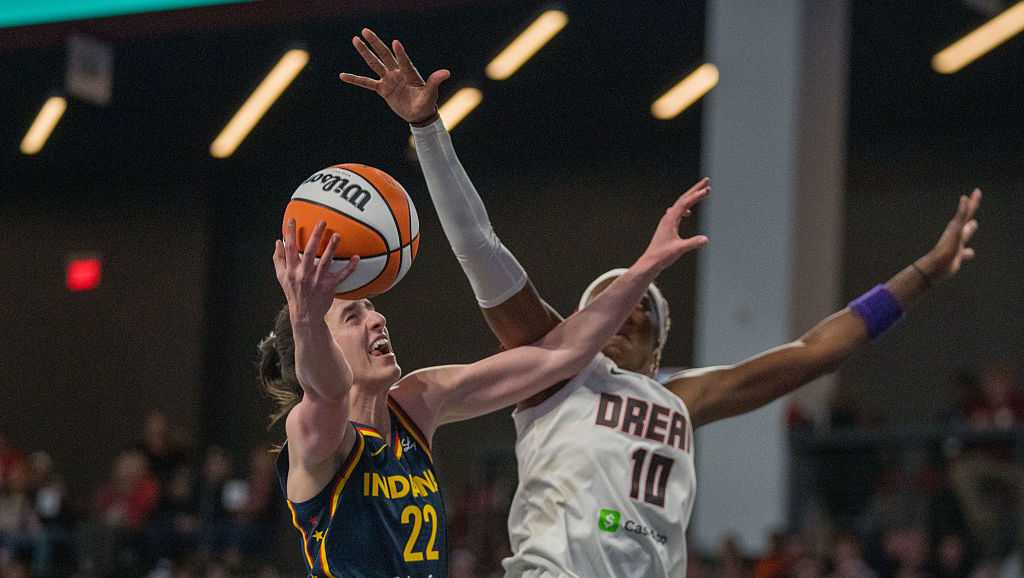
The ascent of charismatic athletes like Caitlin Clark has further propelled the popularity of women’s basketball. Clark, a standout from the University of Iowa who is now playing in the WNBA, has been pivotal in bringing new viewers to the game. Sells reflects on her past experiences: “Growing up, I feel like the only sports I was able to really see on TV were men’s — which is fine, I like men’s sports, but I enjoy watching women’s sports more.” This statement points to a significant shift in media representation and viewer interest, suggesting that more visibility leads to increased engagement.
Comparative Fan Engagement
When comparing fan engagement, researchers found noteworthy distinctions between men’s and women’s sports audiences. While women’s sports attendees tend to be more casual, a demographic analysis indicates a more gender-balanced fan base. For women’s pro sports, roughly 50% of fans are male. In contrast, the majority of men’s sports fans are male, emphasizing an inclusive environment within women’s sports fandom. Nonetheless, the survey indicates that fans of women’s sports are more likely to engage occasionally rather than frequently, with about 80% of fans identifying as casual viewers.
Future Outlook and Upcoming Changes
The forthcoming seasons promise further expansion in women’s sports, particularly within the WNBA. The league, having set new attendance records, is set to introduce the Golden State Valkyries for the 2025 season and expand from 40 to 44 games. By 2026, two additional franchises will join the league, including one in Portland, thus broadening opportunities for fans like Sells, who is already considering purchasing season tickets.
Attending Events: Fan Behavior Trends
Despite the upward trajectory in women’s sports, attendance at live events suggests room for growth. Approximately two-thirds of men’s sports fans report attending games regularly, compared to about half of women’s sports fans. A contributing factor may be the lack of affiliation with specific teams; only a third of women’s sports fans view their team loyalty as crucial to their engagement with the sport. Conversely, about 50% of men’s sports fans express strong attachment to their teams. However, both male and female fans agree on the importance of star athletes, which plays a significant role in their sports consumption choices.
Conclusion
As women’s sports continue to gain traction and expand their reach, the potential for growth remains substantial. From diverse fan engagement to increasing media coverage, the future of women’s sports looks promising. The evolving landscape suggests that broader access and visibility can significantly impact interest levels, paving the way for a new generation of fans.
