


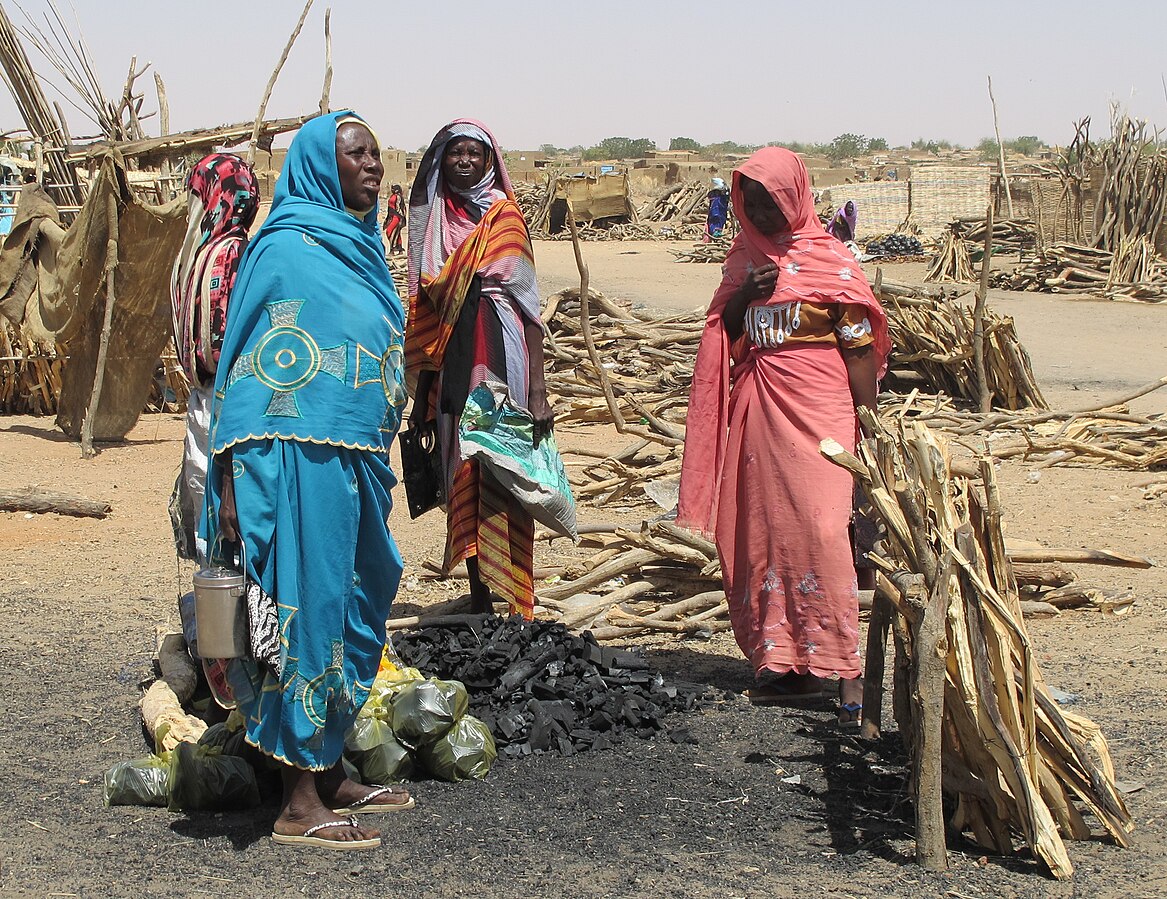
The United Nations recently alerted the global community to a severe “gender emergency” in Sudan, particularly affecting women and girls as the capital city of El Fasher endures severe hardship due to violence, starvation, and a cholera outbreak.
Rising Vulnerability Amidst Conflict
Salvator Nkurunziza, the UN Women Representative in Sudan, emphasized that the ongoing crisis exacerbates the risks of abuse and exploitation for women and girls. In many areas, protection measures are either weak or non-existent during the distribution of humanitarian aid, causing fear that may deter these individuals from seeking necessary assistance.
Gender-Based Violence Statistics
According to the Unit for Combating Violence Against Women in Sudan, over 1,138 rape cases have been documented since April 2023, with 193 of those involving children. Nkurunziza noted that these figures may not accurately capture the extent of the issue, as stigma surrounding gender-based violence often prevents adequate reporting.
Food Insecurity and Its Impact
UN Women described the escalating food crisis in Sudan as “profoundly gendered,” pointing out that women and girls represent “the hungriest faces of this crisis.” Alarmingly, about 75% of households led by women are currently experiencing food insecurity, highlighting the disproportionate toll the crisis takes on this demographic.
The Humanitarian Context
Since the onset of civil conflict in Sudan in 2023, initiated by clashes between the Rapid Support Forces (RSF) and Sudanese Armed Forces (SAF), the situation has worsened dramatically. Renewed violence has resulted in increased starvation, displacement, and violence across the country. El Fasher, located in North Darfur, remains under siege, making it difficult for humanitarian aid and food supplies to reach those in need.
The ongoing cholera outbreak, which has persisted since August 2024, has further complicated the humanitarian crisis, with reports indicating over 50,000 confirmed cases and at least 1,350 fatalities.
Call for Targeted Assistance
In light of these challenges, the UN has urged prioritization of food assistance for female-headed households and other vulnerable groups, particularly pregnant and breastfeeding women as well as adolescent girls. They advocate for the funding of women-led food initiatives, connecting food aid to protection and recovery efforts while tracking gender-related outcomes.
