


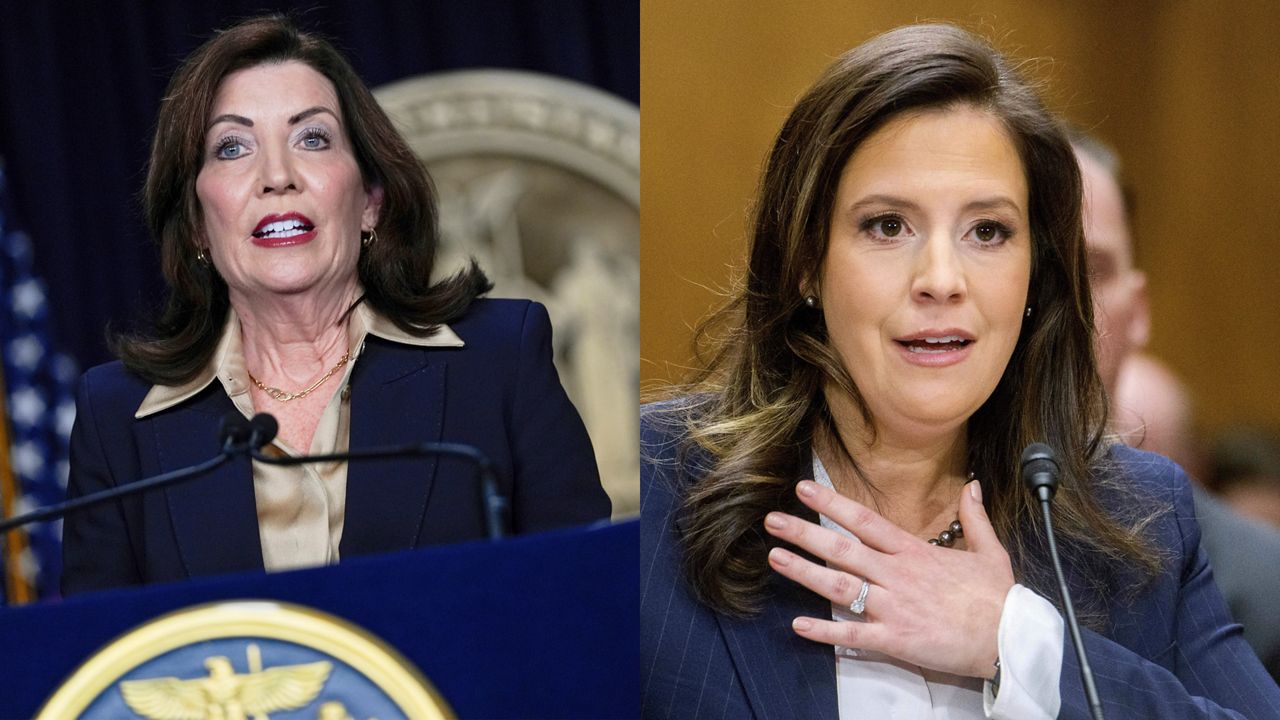
The Race for New York Governor in 2026: Hochul vs. Stefanik
As the political landscape intensifies leading up to the 2026 gubernatorial election, two prominent women from opposing parties are emerging as contenders for the governor’s seat in New York. Democratic incumbent Governor Kathy Hochul faces a formidable challenge from Republican Rep. Elise Stefanik, who is currently chairwoman of the House Republican Leadership.
Campaign Themes and Strategies
Both candidates are focusing on key issues that resonate with New Yorkers, particularly affordability and the unique perspectives of working mothers. Their campaigns emphasize their respective experiences in high-profile roles while aiming to connect with families across the state.
- Kathy Hochul: Promises to alleviate the economic burdens on families through significant policy initiatives.
- Elise Stefanik: Prioritizes tax cuts and reducing living costs, appealing to constituents who have expressed dissatisfaction with the current state leadership.
Polling Insights
According to recent data from Siena University, Governor Hochul currently enjoys a substantial lead over Stefanik in hypothetical matchups. Despite this, polling indicates that many voters express a preference for alternatives over Hochul when questioned directly—highlighting potential vulnerabilities in her campaign.
Challenges and Strategies Ahead
Political observers note that while Hochul benefits from robust Democratic voter enrollment, she must bolster her appeal among voters who are frustrated with the affordability crisis. Some perceive her inflation assistance initiatives as too little, too late, particularly in the face of rising grocery prices and general cost of living increases. Political consultant Bill O’Reilly emphasizes economics as a pivotal focus in the upcoming election cycle, stating, “Economics is what’s going to drive a lot of next year.”
Stefanik, on the other hand, faces a significant challenge in building her name recognition, particularly in urban areas where her approval ratings are currently low. A reported 41% of voters in New York City view her unfavorably, making it imperative for her to establish a stronger presence in these regions to convert voters. O’Reilly notes, “She’s gonna have to hit that 30% mark — or that 32 — whatever the magic number is to win statewide.”
Political Alliances and Accusations
Hochul seeks to leverage her policy achievements and favorable relationship with the current administration, claiming to have successfully negotiated initiatives beneficial to the state, such as congestion pricing. Conversely, she criticizes Stefanik for aligning with former President Donald Trump, who has faced his own challenges among voters.
Stefanik counters by attacking Hochul’s administration for its handling of taxes and criminal justice reforms, arguing that disenfranchised voters should attribute their frustrations directly to Hochul’s leadership.
Looking Ahead: Potential Primary Challenges
The race may also see challenges from within the political parties. Hochul could face competition from her own Lieutenant Governor Antonio Delgado, who may appeal to more progressive voters dissatisfied with the current direction. In the Republican camp, potential contender Bruce Blakeman could complicate matters for Stefanik, particularly in Long Island, where party loyalty could shift the dynamics.
Conclusion
The gubernatorial race in 2026 promises to be a dynamic contest, bringing together two strong female candidates from drastically different political backgrounds. With looming concerns over affordability and economic policy, both Hochul and Stefanik must navigate their paths carefully as they seek to connect with New Yorkers and secure their votes.
