The Intersectionality of Women’s Mental Health in India
On October 10, known as World Mental Health Day, the complexities surrounding women’s mental health in India come into sharp focus. While many individuals grapple with mental health challenges, the experiences of women, particularly those from marginalized communities, are often overlooked. Their daily realities reflect not just personal struggles, but systemic issues linked to caste, class, and gender.
Widespread Mental Health Challenges
Recent estimates suggest that approximately 60-70 million individuals in India are affected by mental health disorders, with women reporting higher levels of distress. However, these experiences differ significantly based on various factors such as socio-economic status and caste. For instance:
- The mental health challenges faced by a Dalit woman subjected to caste discrimination are vastly different from the postpartum anxiety experienced by a middle-class woman.
- Similarly, Adivasi women’s trauma from workplace discrimination cannot be equated with the academic pressures typical of high-caste, educated women.
Unfortunately, mental health policies often generalize these issues, failing to recognize the unique struggles faced by different groups.
The Barriers to Seeking Help
Young individuals such as 19-year-old Arti from Delhi illustrate the impact of familial stigma on mental health treatment. After attempting to seek counseling, she faced severe backlash from her uncle, highlighting how societal norms can prevent vulnerable individuals from accessing necessary support.
Queer individuals face even more daunting obstacles in mental health services, with many practitioners lacking the training to support their specific needs. A queer worker reflected, “We were told to ‘fix ourselves.’ Even in mental health, our existence is erased.”
Everyday Crises for Women
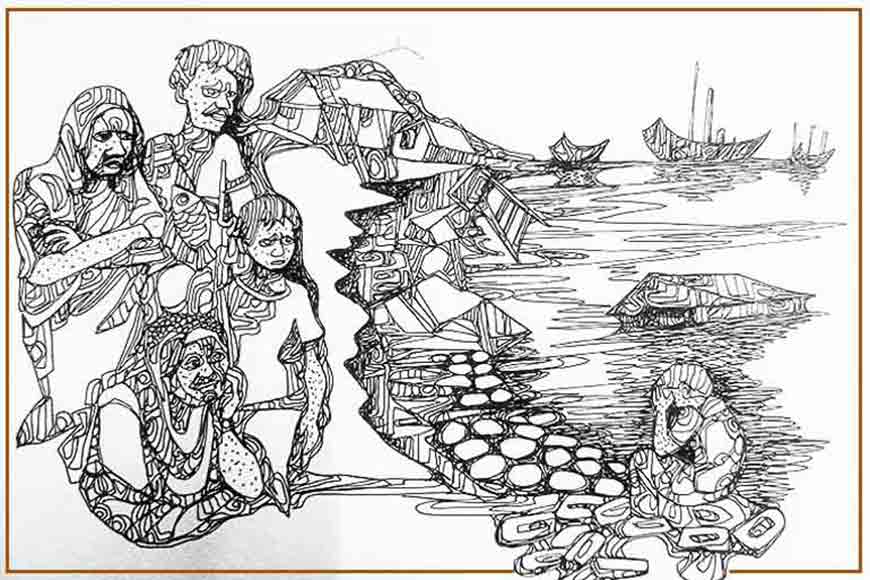
This year, the theme for World Health Day centers on mental health amidst humanitarian crises. However, for numerous Indian women, daily life is fraught with crises of its own. During natural disasters, even though these events affect everyone, women often bear additional burdens by managing households and caring for families while dealing with their own emotional distress. Kiran, a fisherman’s wife from Odisha, underscores this with her sentiments about unaddressed nightmares and societal expectations of strength.
The Geography of Inequity
Access to mental health services often concentrates in urban areas that cater to wealthier populations, perpetuating class and caste disparities. Lata, a community health worker in an Adivasi village, shares insights into the stigma surrounding postpartum issues, stating, “Families say, ‘it’s weakness; it will pass,’ and hospitals offer sleeping pills alone.”
Another woman from Bengaluru recounted her negative experience with a local clinic, where barriers such as language and cost exacerbated her feelings of isolation.
Challenges in Treatment Approaches
Although initiatives like postpartum counseling and NGO-led support services show promise, they frequently ignore the underlying issues of oppression and stigma faced by women. As a Dalit construction worker in Mumbai poignantly expressed, “How am I supposed to stay calm when my contractor will cheat me because I am low caste?” This illustrates that without addressing the systemic injustices in society, mental health treatments can deepen isolation rather than provide relief.
A Feminist Perspective on Mental Health Policy
The need for intersectionality in mental health policy is critical. While addiction in men is treated as a medical condition deserving funding and attention, women’s mental suffering is often dismissed as a moral failing. Systemic issues such as caste discrimination and poverty are rarely addressed, resulting in an incomplete picture of the mental health landscape.
A nurse from Telangana noted, “We have to screen for depression. But for women from Dalit or very poor families, the family resists even more.” This highlights the necessity for mental health dialogue to encompass all dimensions of identity and suffering.
Movements Towards Empowerment
Despite these barriers, women are finding ways to voice their experiences. Suman from Jharkhand mentioned her involvement in a self-help group, where discussions about pain often evolve into a deeper dialogue about grief. Furthermore, organizations led by Dalit women in Uttar Pradesh and queer groups in Bengaluru are creating spaces that acknowledge and validate their struggles.
What World Mental Health Day Should Stand For
On this World Mental Health Day, it is imperative that we embrace an intersectional approach. Policies must be gender-sensitive, caste-aware, and inclusive of queer identities. Maternal health and domestic violence prevention must integrate mental health services aimed at identifying and supporting marginalized groups.
Psychiatrist Bharat Batwani’s insight resonates: “We all, at some point, drown in darkness… we are all passengers in the same boat.” Yet, in the context of India, many women find themselves unable to board that boat, expected to swim against overwhelming currents of societal oppression.
As we reflect this October 10th, the choice is clear: continue to propagate outdated slogans, or recognize the multi-layered injustices permeating India’s mental health system. Only by embracing these complexities can we ensure that voices like Rekha’s, Arti’s, and Suman’s are not silenced but amplified, fostering a spirit of unity and resilience.
Note:
Translated by Krishnendu Mitra
To read the original Bengali article, click here.