


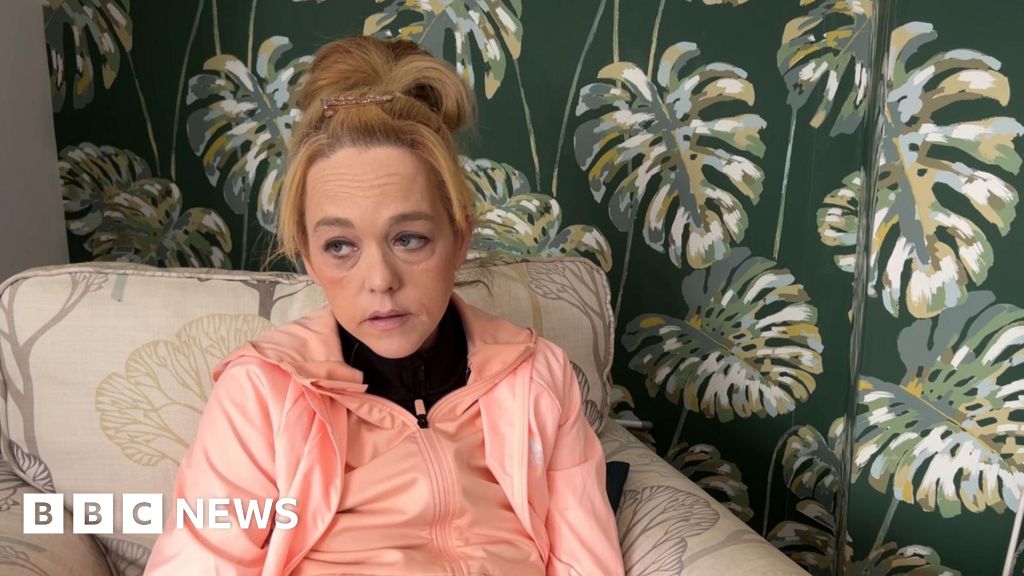
The growing number of homeless women in North East England is prompting urgent calls for increased female-only shelter services, as many avoid mixed-sex hostels due to safety concerns. Recent cases illustrate the severe realities faced by vulnerable women in these environments.
Leanne, one of the women sharing her experience, described a terrifying stay at a mixed-sex hostel in Sunderland, recounting how three men were “taken out in body bags” during her first week. Such harrowing accounts have made many women, including Leanne, reluctant to seek refuge in such places.
A report from the housing charity Shelter indicates that the number of female rough sleepers in the region has skyrocketed by 425% over the last five years. This alarming statistic underlines a troubling trend: many homeless women remain uncounted in official figures as they resort to sleeping in cars, emergency rooms, or with abusive partners to avoid the perils of street life.
To better understand the extent of homelessness among women, Tyneside councils will participate in the Women’s Rough Sleeping Census for the first time next week. This effort aims to paint a clearer picture of the issue.
Another woman, Jay, expressed similar fears after her experience in a mixed-sex setting, stating that it was “ruthless, full of alcoholics, drug users,” where personal safety was not guaranteed. “I was terrified,” Jay said. “I was fighting to survive every single day.”
Jay’s stay at the hostel, which has since been shut down, was marked by a lack of thorough checks on residents, raising alarms about safety for women. “You could be in there with a nasty person. That’s a risk women think of before they pick up that phone.”
Recognizing the pressing need for female-only spaces, Jay noted that victims of domestic abuse face particular challenges and often require specific accommodations due to past traumas. Meanwhile, Leanne, who experienced a similar fear following a traumatic episode, resorted to “sofa surfing” rather than face a mixed environment.

Tracey Guy from Shelter North East highlighted that many homeless women feel compelled to hide to avoid unsafe situations, often opting to sleep in cars or certain public places instead of facing the dangers present on the streets. “They will sleep in cars, accident and emergency units, fast-food outlets,” she pointed out, indicating that many women avoid sleeping rough due to the associated risks.
Jay is now residing in a female-only house provided by the charity Emmaus North East. According to Ruth Parker, the charity’s chief executive, most women they assist have endured trauma, domestic abuse, or sexual violence. She emphasized the urgency in creating safe spaces for these women, stating, “Putting a person who has faced that onto the street, where they are vulnerable to those things again, we have to try and eradicate.”
Emmaus plans to open a new women-only facility in 2026, though Parker insists that immediate action is necessary to address the field’s needs adequately.
An inquiry into local authorities in North East England revealed a concerning trend; while many facilities exist, some councils lack any provision for female-only accommodations.
Scheduled between September 22 and 28, this year’s Women’s Rough Sleeping Census aims to shed light on these issues, with results expected in October. Newcastle City Council is participating for the first time, and Councillor Paula Maines expressed hope that the data gathered will help identify necessary services for women while bolstering pressure on the government for increased funding.
Addressing the rise in homelessness among women, a spokesperson for the Ministry of Housing, Communities and Local Government acknowledged the importance of the Census, stating, “The Women’s Census helps us understand the challenges women face when getting the right support.” They further noted that the government is investing £1 billion in essential services for women experiencing homelessness, emphasizing commitment to tackling and eventually ending homelessness.
