


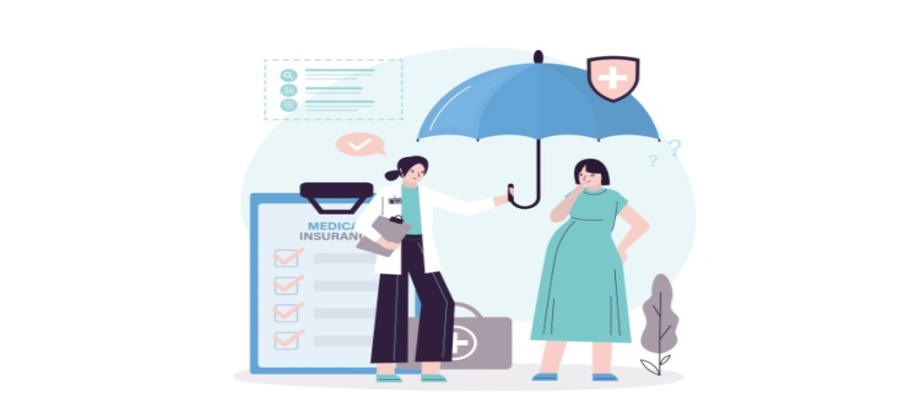
Understanding Health Insurance Disparities for Women in India
Health insurance is designed to provide security and peace of mind, yet numerous women in India face significant disparities within this system. Many find themselves confronted with a combination of higher costs and limited coverage options compared to their male counterparts.
The Gender Gap in Health Insurance Costs
Consider a scenario where a 29-year-old woman purchases a health insurance policy only to learn that her premium exceeds that of her male colleagues by nearly 20% for identical coverage. This discrepancy stems from various factors, such as increased charges for maternity benefits and specific health conditions categorized as high-risk.
Factors Contributing to Higher Premiums
Maternity Loading
Despite the predictable nature of childbirth, maternity-related coverage is often not included in standard health insurance policies. Instead, it typically requires expensive add-ons along with lengthy waiting periods, deterring many women from obtaining adequate coverage.
Classification of High-Risk Conditions
Common health issues for women, such as polycystic ovary syndrome (PCOS), thyroid disorders, and breast cancer, are frequently labeled as high-risk conditions. As a result, female policyholders may face increased premiums or limited coverage for these essential health concerns.
Increased Scrutiny of Claims
Claims related to women’s reproductive health often encounter a heightened level of examination, which can result in delays in payments or outright rejections. This systemic issue exacerbates the already challenging landscape of health coverage for women.
Opportunities for Reform
Industry experts suggest that by reframing maternity and reproductive health as vital components of insurance rather than burdens, insurers can develop products that better cater to women’s needs. This shift could enhance trust within the sector while improving outcomes for female clients.
Potential Solutions
- Inclusive Insurance Policies: Some insurers are beginning to offer plans that encompass conditions like PCOS, breast cancer, and maternity, which could reduce overall costs.
- Streamlined Regulations: The Insurance Regulatory and Development Authority of India (IRDAI) has simplified policy documents and standardized terms, making it clearer for consumers to understand their coverage.
- Informed Decision Making: By empowering women to ask critical questions during the policy selection process, there is increased accountability for insurers to improve their offerings.
Essential Questions for Women When Choosing Health Insurance
- Does this plan include maternity benefits, and what are the associated waiting periods?
- Are conditions such as PCOS or breast and cervical cancer covered without additional loading?
- What exclusions exist, and what proportion of claims related to women’s health receive approval?
By arming themselves with information and advocating for fairer practices, women can better navigate the health insurance landscape and ensure they receive the coverage they deserve.
