


Recent developments in health technology indicate a shift in the perception of menstrual fluid, with startups pioneering new methods to utilize this fluid for health diagnostics. This includes potential applications for conditions such as endometriosis, a chronic disorder that affects many individuals.
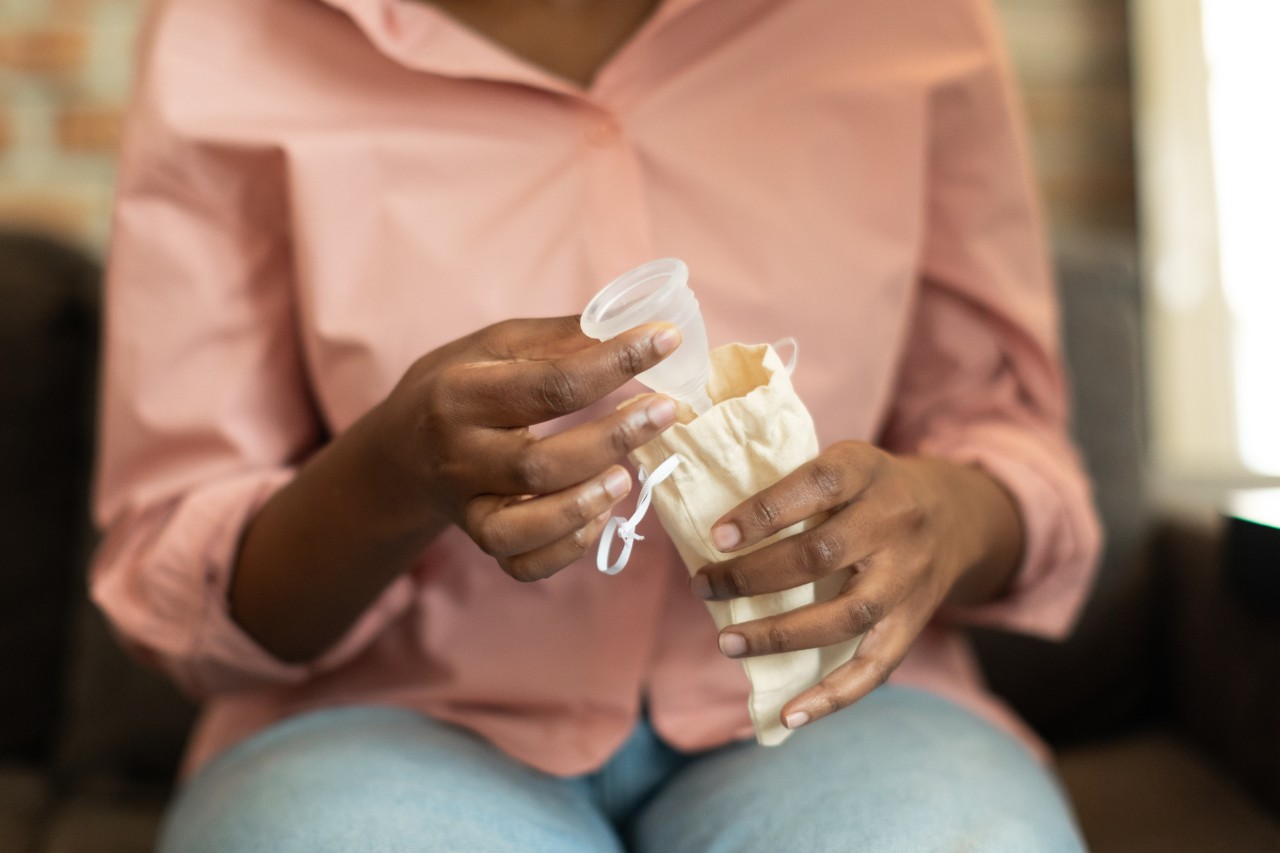
Katherine Burns, an associate professor at the University of Cincinnati’s College of Medicine, is actively involved in research aimed at developing a diagnostic test for endometriosis. Her laboratory focuses on identifying specific cellular abnormalities through the analysis of menstrual fluid samples, which are collected using menstrual cups.
Challenges in Collection Methods
While menstrual cups provide a practical means of collecting fluid, they are not without challenges. Issues such as messiness, difficulty in insertion and removal, and the potential for spills can hinder their effectiveness, particularly for individuals experiencing pelvic pain or for younger users. Researchers are aiming to create more comfortable and leak-proof alternatives to address these concerns.
Collaborative Efforts in Diagnostic Research
Despite the hurdles faced in developing new collection methods, there is optimism within the research community. Burns noted, “We are all working towards the same goal to help diagnose endometriosis without surgery. Do I hope and wish and pray that any of them are correct? You bet.” This collaborative approach underscores the urgency and importance of finding non-invasive diagnostic solutions.
Funding and Future Prospects
Currently, Burns has paused her research due to a lack of funding. Supporting her research fund could potentially revitalize these valuable efforts in understanding and diagnosing endometriosis more effectively.
For further details, the full article can be accessed in The Guardian.
