


Exploring New Opportunities in Women’s Custom Clothing
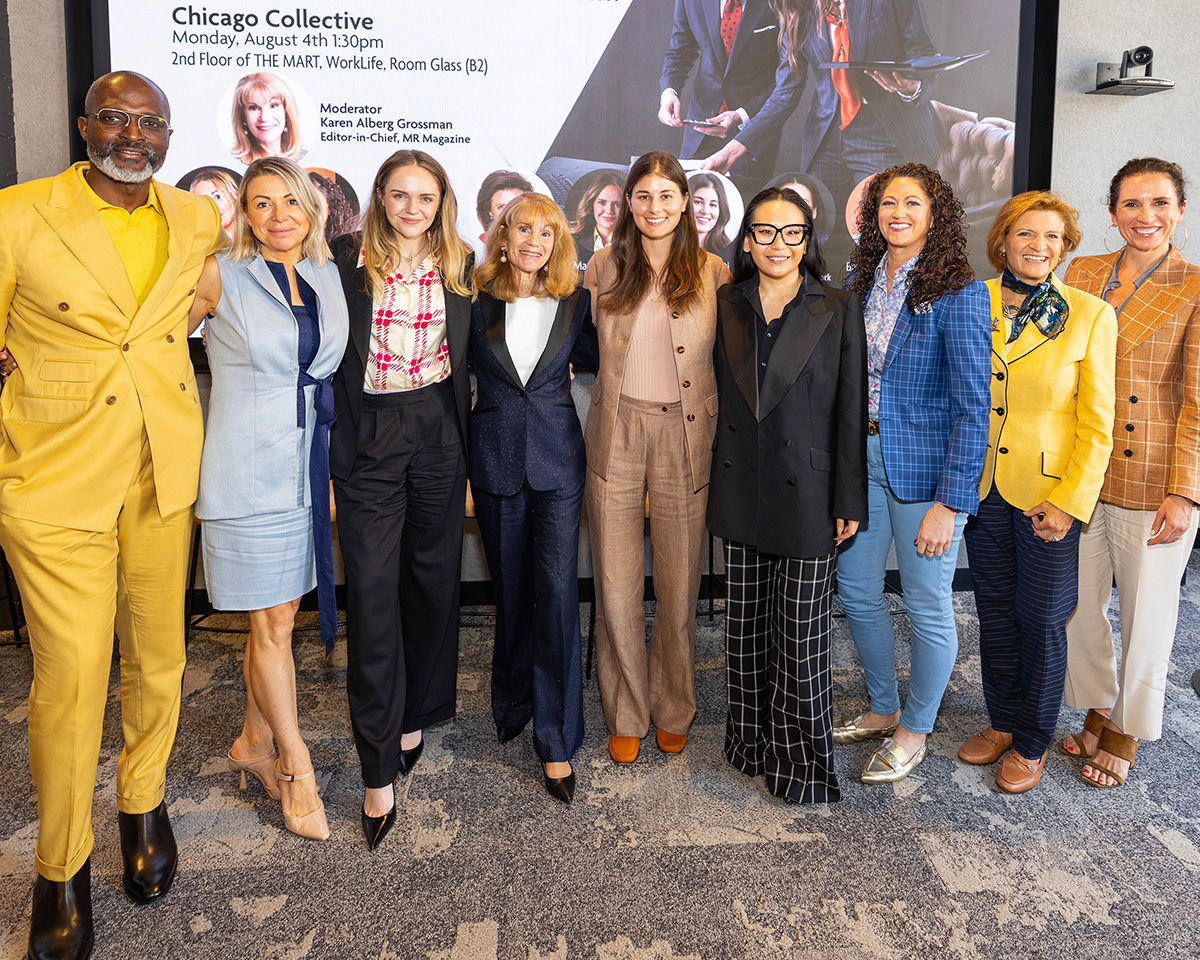
The realm of custom clothing is experiencing a transformational shift, particularly for women’s fashion. A recent panel at the Chicago Collective, sponsored by Gladson, focused on how made-to-measure (MTM) women’s clothing can become a lucrative venture for menswear businesses that have previously overlooked this demographic.
The Challenge of Expanding to Women’s Clothing
During the panel discussion, Guy Milinazzo from Gladson outlined the importance of innovation in the men’s custom clothing sector. “We’re here today to solve one of life’s mysteries: how to expand the MTM business to include women’s clothing,” he stated. Traditional approaches relied on simply adjusting men’s patterns, but this method is no longer effective. The industry now demands a completely reimagined style of production tailored for women.
Insights from Industry Experts
Moderated by Karen Alberg of MR Magazine, the panel comprised several leaders in women’s custom tailoring, who shared their experiences and strategies for catering to a previously underserved market.
Giuliana Civello, Lulu Redgrove
Giuliana Civello founded her tailoring business in Rome and highlighted the synergy of working with skilled seamstresses who specialize in high-quality fabrics. She collaborates with American stores to introduce her collections, overcoming challenges like sizing and adjustments to meet customer needs.
Kristen Comeau, Trinity Apparel
With two decades of experience, Kristen Comeau advocated for women’s custom wear, noting a demand for professional but stylish clothing. She mentioned that her pivot to wholesaling and launching a women’s custom collection is a response to this growing need.
Jeff Lahens, 9 Tailors Boston
Jeff Lahens shared a unique insight: the necessity for tailored solutions that resonate with women. His firm’s successful expansion into women’s fashion was driven by client requests during the pandemic, highlighting the importance of empathy and attention to detail in custom clothing.
Dara Lamb, Dara Lamb Bespoke
Dara Lamb, who has focused exclusively on women’s custom clothing for four decades, emphasized creating a sustainable business model. She advocates for understanding the specific needs of female clients to build a loyal customer base.
Maddie Moeller, Trands USA
Maddie Moeller’s journey began in men’s retail, but she aimed to create fashion that resonates with women. Her current project at Trands USA is to train teams in the nuances of measuring and tailoring women’s garments, aiming for a successful launch in 2026.
Alexa Roberti, Adrian Jules
Third-generation tailor Alexa Roberti discussed creating a new product line focused exclusively on women’s custom clothing by utilizing a different approach to patterns. “We aim to ensure women have the same range of options as men,” she stated.
Shao Yang, The Tailory New York
Shao Yang pointed out the inclusivity gap in tailoring, establishing The Tailory to cater to a diverse clientele. Over more than a decade, she has expanded her offerings to serve those seeking personalized styles aligned with their identity.
Emily Zimmerman, Label
Emily Zimmerman shared her journey of transitioning to women’s custom fashion after years with Tom James and Trunk Club, emphasizing the need for products that women can genuinely feel proud to wear.
Strategies for Selling Women’s Made-to-Measure Clothing
As women’s custom clothing grows in demand, the panelists identified key strategies to optimize sales and client satisfaction:
- Understanding Shopping Habits: Women’s shopping patterns differ from men’s; presenting complete outfits rather than individual fabric swatches can enhance comprehension and decision-making.
- Client-Centered Conversations: Engage in open dialogues with clients to understand their preferences and body types, which can inform the tailoring process.
- Setting Expectations: Transparency about the process and understanding clients’ diverse needs are critical in delivering satisfactory results.
- Defining Target Markets: Recognizing specific demographics and tailoring marketing strategies accordingly will help build a lasting customer base.
- Quality over Quantity: Starting with items that have higher margins, like jackets, can provide a better initial financial footing for businesses.
Marketing Approaches for Success
Marketing women’s custom clothing is as critical as the quality of the product itself. The panelists shared various tactics:
- Word of Mouth: Many emphasized the power of customer referrals, stating that satisfied clients often share their positive experiences.
- Social Media Engagement: Platforms like Instagram have become essential for showcasing unique pieces and client success stories, helping potential customers visualize the offerings.
- Collaborative Events: Hosting events with complementary brands can enhance visibility and attract diverse audiences.
- Consistent Brand Messaging: Developing a coherent strategy around marketing efforts ensures that the brand resonates well with the target demographic.
Conclusion
The conversation at the Chicago Collective highlights a pivotal moment for women’s custom clothing. With the right strategies, understanding of client needs, and a focus on quality, businesses can tap into this lucrative market and help shape the future of tailor-made fashion for women.
